Railroad safety is paramount in the rail industry, demanding rigorous planning and unwavering execution. However, even with the best intentions, gaps can emerge in railroad safety plans, potentially leading to hazardous situations. Recognizing and addressing these gaps is crucial for maintaining a safe operational environment.
Inadequate Training on Federal Railroad Administration Regulations
A common oversight is insufficient training on the Federal Railroad Administration regulations. The FRA sets the standards for railroad safety, and a comprehensive understanding of these regulations is essential for all personnel involved in rail operations. This includes not only initial training but also ongoing education to stay abreast of any changes or updates to the regulations. Without proper training, employees may be unaware of critical safety procedures, leading to non-compliance and increased risk.
Insufficient Focus on Railroad Flagger Safety
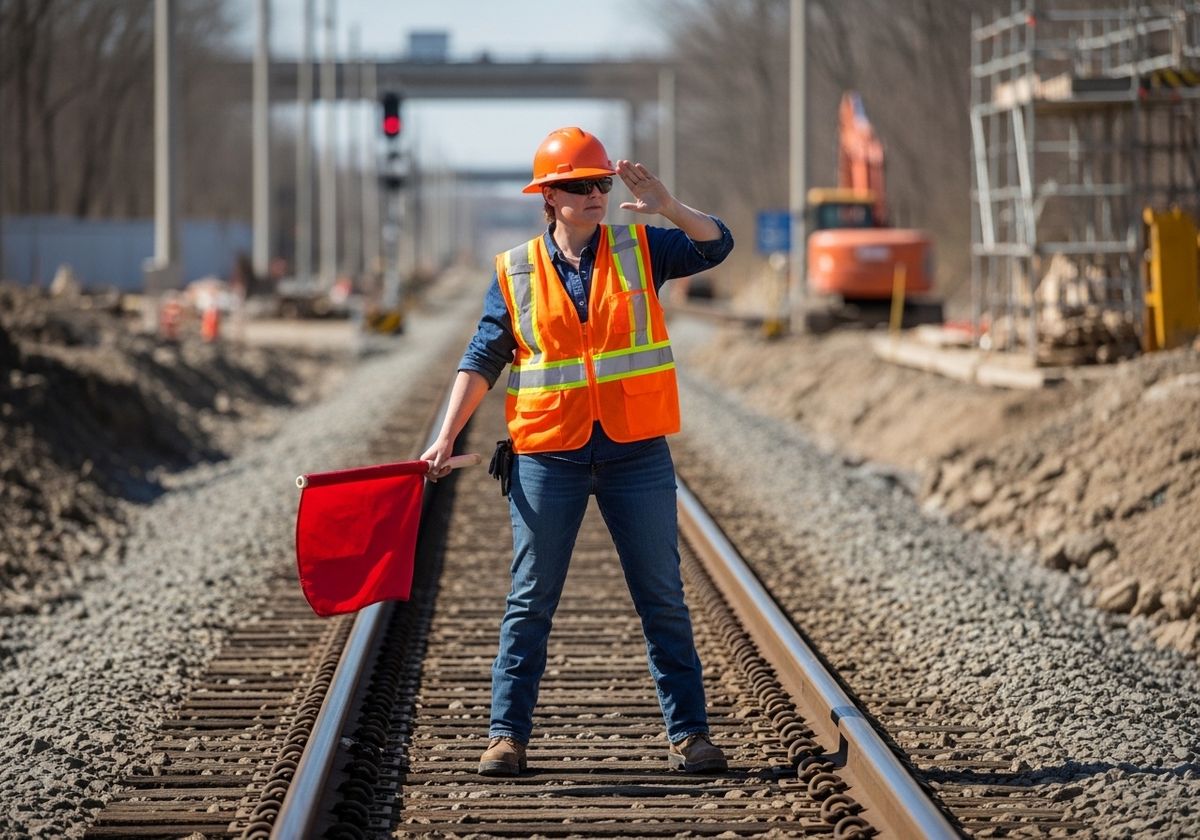
Railroad flagger safety is another area where gaps often appear. Flaggers play a vital role in protecting workers and equipment during track maintenance or construction. They need to be thoroughly trained in flagging procedures, communication protocols, and hazard recognition. Safety plans should detail specific measures to ensure flagger visibility, provide adequate protection from moving equipment, and establish clear lines of communication between flaggers, equipment operators, and other personnel. A failure to prioritize flagger safety can have severe consequences.
Lack of Emergency Preparedness
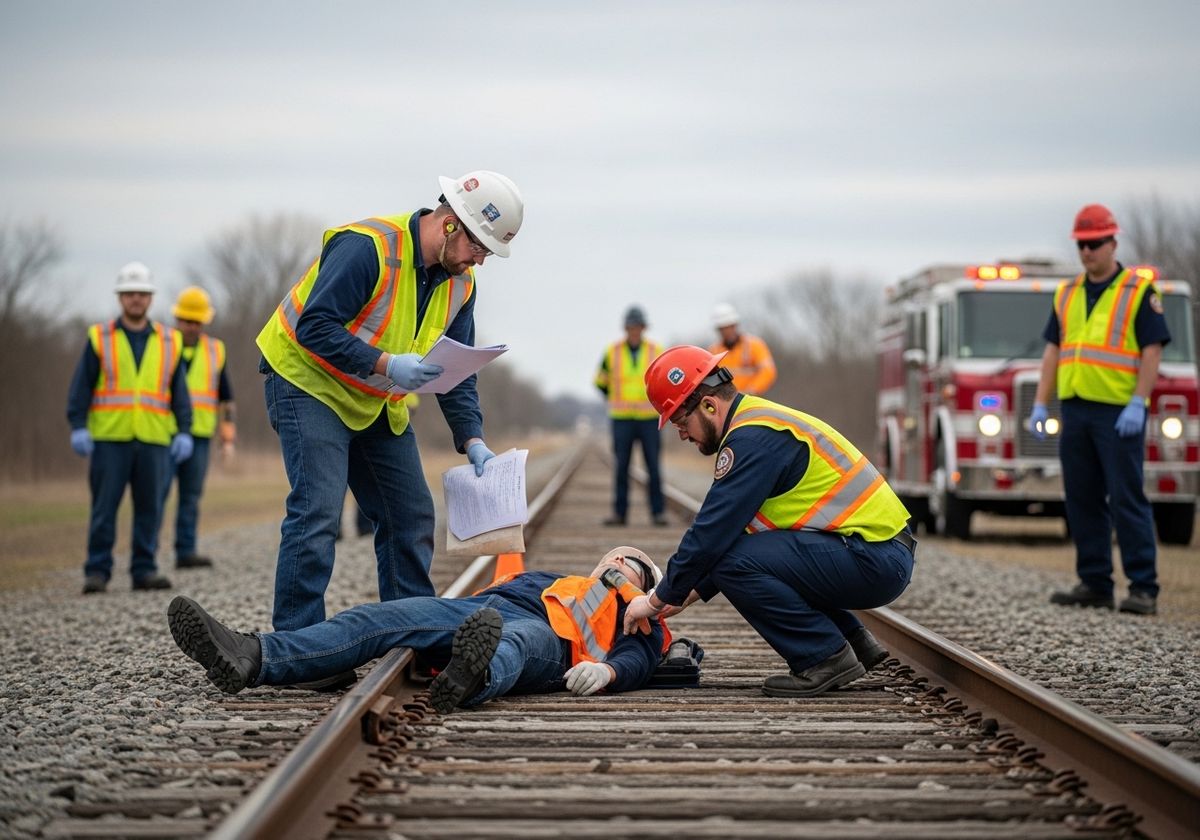
Emergency preparedness is frequently overlooked in railroad safety plans. While preventing accidents is the primary goal, it's equally important to have a well-defined plan for responding to emergencies when they do occur. This plan should outline procedures for incident reporting, evacuation, medical response, and communication with emergency services. Regular drills and simulations can help identify weaknesses in the plan and ensure that personnel are prepared to act quickly and effectively in an emergency situation.

Inconsistent Enforcement of Safety Rules
Even the most well-designed safety plan is only effective if it's consistently enforced. A lack of accountability and inconsistent enforcement of safety rules can create a culture of complacency, where employees become lax in their adherence to procedures. Safety plans should include clear mechanisms for monitoring compliance, addressing violations, and providing feedback to employees. A strong commitment to enforcement from leadership is essential for maintaining a safe working environment.
Addressing gaps in railroad safety plans requires a proactive approach, including regular audits, comprehensive training, and a commitment to continuous improvement. By identifying and rectifying these weaknesses, organizations can significantly reduce the risk of accidents and create a safer environment for their employees and the public. Regional Railroad Safety Services is dedicated to helping higher education institutions identify and address these gaps through comprehensive railroad safety training programs and expert consultation. Contact us today to learn more about our services and how we can help you improve your railroad safety plan.