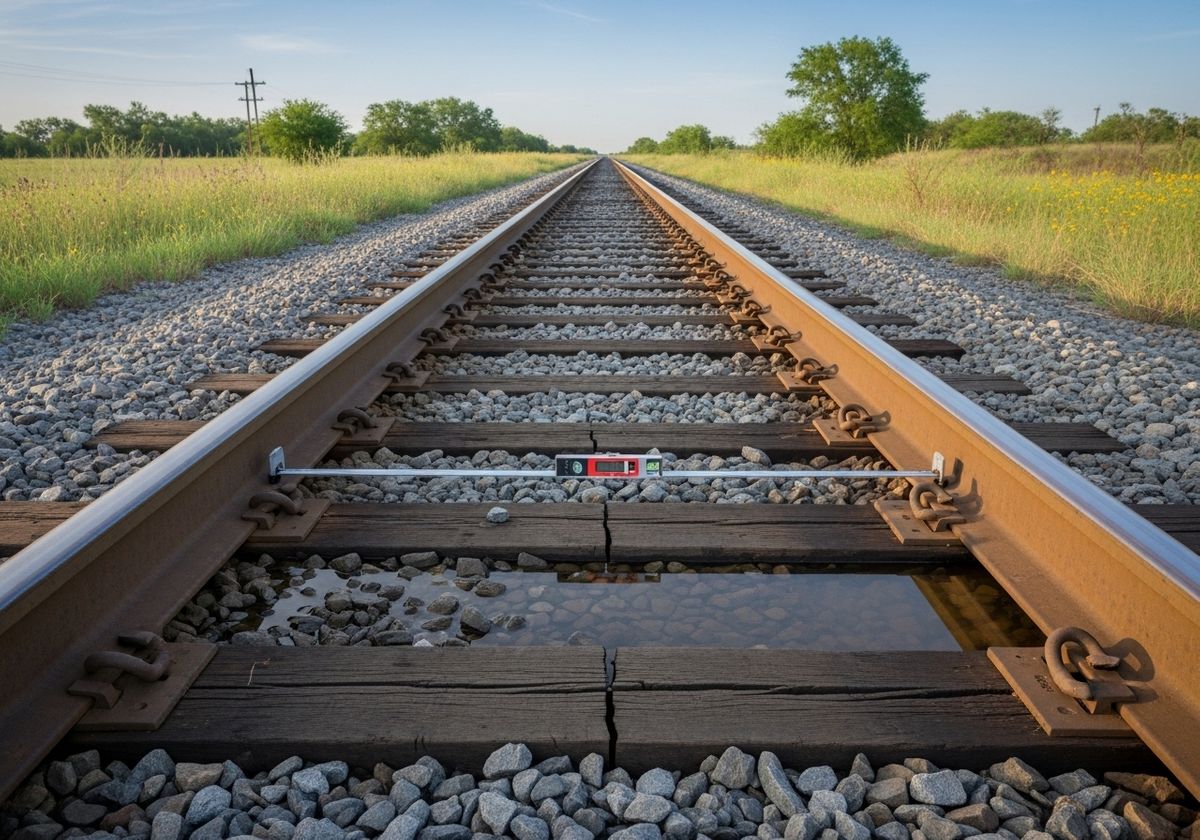
Regular inspections are crucial for maintaining the safety and efficiency of railroad tracks in North Texas. Over time, wear and tear, weather conditions, and heavy usage can compromise the integrity of the tracks. Identifying potential issues early can prevent serious accidents and costly repairs. Here are four signs that indicate your North Texas track needs inspection.
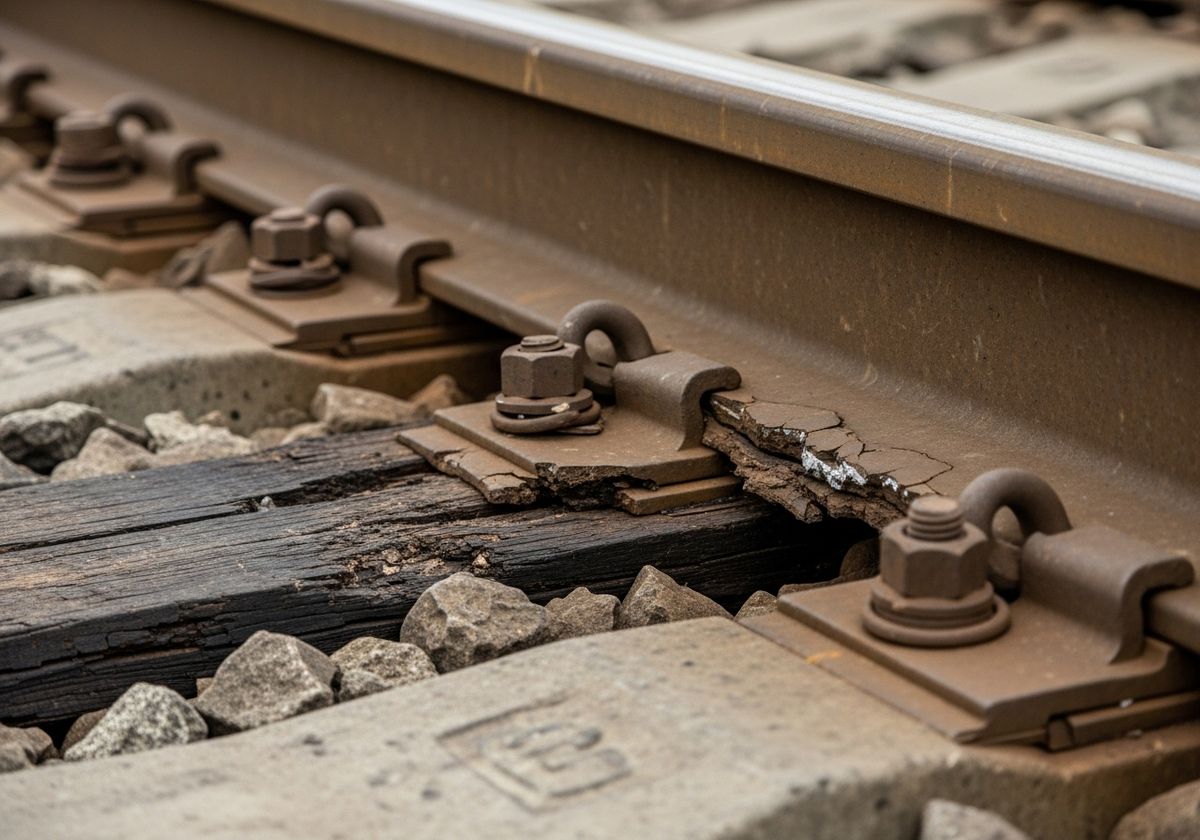
1. Visible Wear and Tear
One of the most obvious signs that your track needs inspection is visible wear and tear. This includes:
Cracked or Broken Rails: Inspect the rails for any cracks, breaks, or signs of fragmentation. These can weaken the structural integrity of the track and pose a significant safety risk.
Damaged or Deteriorating Crossties: Crossties support the rails and maintain the correct gauge. Check for signs of decay, splitting, or damage from pests. Deteriorated crossties can lead to instability and alignment issues.
Loose or Missing Fasteners: Fasteners, such as bolts and clips, hold the rails and crossties together. Ensure that all fasteners are present and properly tightened. Missing or loose fasteners can cause the track to shift and become unsafe.
2. Alignment Issues
Proper alignment is essential for smooth and safe train operation. Look for these alignment issues:
Track Curvature Changes: Inspect the track for any unusual curves or deviations from its original alignment. These changes can indicate underlying problems with the track structure or the surrounding soil.
Rail Canting: Rail canting refers to the tilting of the rail. Consistent and correct cant is essential for stability, and any changes should be inspected. Changes in rail canting can be a sign of serious wear and tear.
Gauge Widening or Narrowing: The gauge is the distance between the rails. Check for any variations in the gauge, as this can cause derailments. Use measuring tools to ensure the gauge is within the specified tolerance.
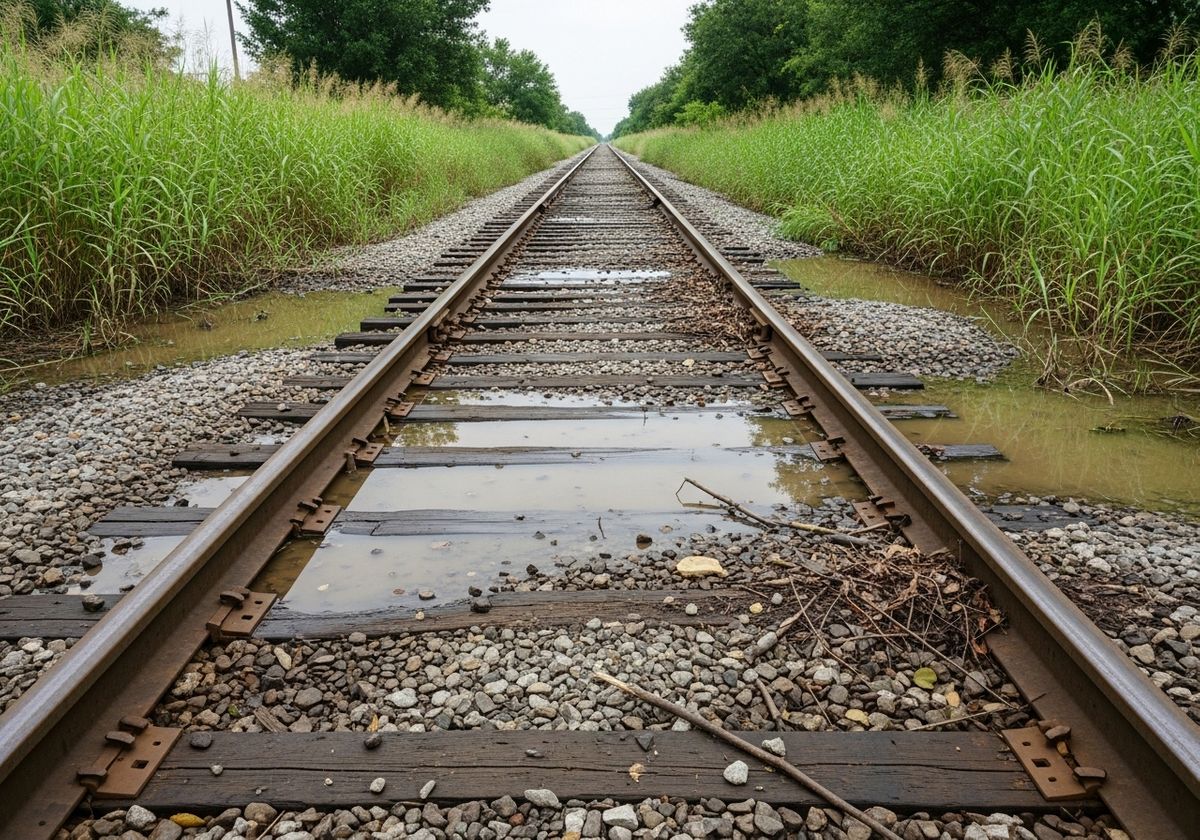
3. Drainage Problems
Proper drainage is crucial for maintaining the stability of the track bed. Poor drainage can lead to:
Water Pooling: Look for areas where water accumulates on or around the track. Pooling water can erode the ballast and weaken the subgrade.
Muddy or Unstable Ballast: The ballast is the layer of crushed stone that supports the track. Check for signs of mud or instability in the ballast, as this indicates poor drainage and potential track settlement.
Vegetation Growth: Excessive vegetation growth can trap moisture and accelerate the deterioration of the track structure. Keep the track area clear of weeds and other vegetation.
4. Compliance and Regulatory Concerns
Staying compliant with federal railroad administration regulations and industry standards is paramount. Consider these points:
Changes in Railroad Rules: Stay informed about any updates to railroad rules and regulations. Ensure that your track inspections and maintenance practices align with current requirements. Changes to railroad rules can have a significant impact on ocip insurance requirements, rail safety training, and overall operational safety.
Inspection History: Review your track inspection history to identify any recurring issues or areas of concern. Use this information to prioritize maintenance and prevent future problems.
Rail Safety Training: Ensure your personnel are up-to-date with rail safety training programs. Proper training is crucial for identifying and addressing potential hazards.
Staying vigilant and addressing these signs promptly can help prevent accidents, minimize downtime, and extend the life of your railroad tracks. Regular inspections, proactive maintenance, and adherence to federal railroad administration regulations are essential for ensuring the safety and reliability of your rail operations. By understanding the key indicators of track degradation and the importance of compliance, you can make informed decisions to protect your investment and the safety of your operations. Regional Railroad Safety Services provides comprehensive inspection services, rail safety training, and expert guidance to help you maintain the highest standards of safety and compliance. Contact us today to learn more about our services and how we can support your railroad safety needs. Explore our rail safety training programs to equip your team with the knowledge and skills necessary for safe and efficient operations.