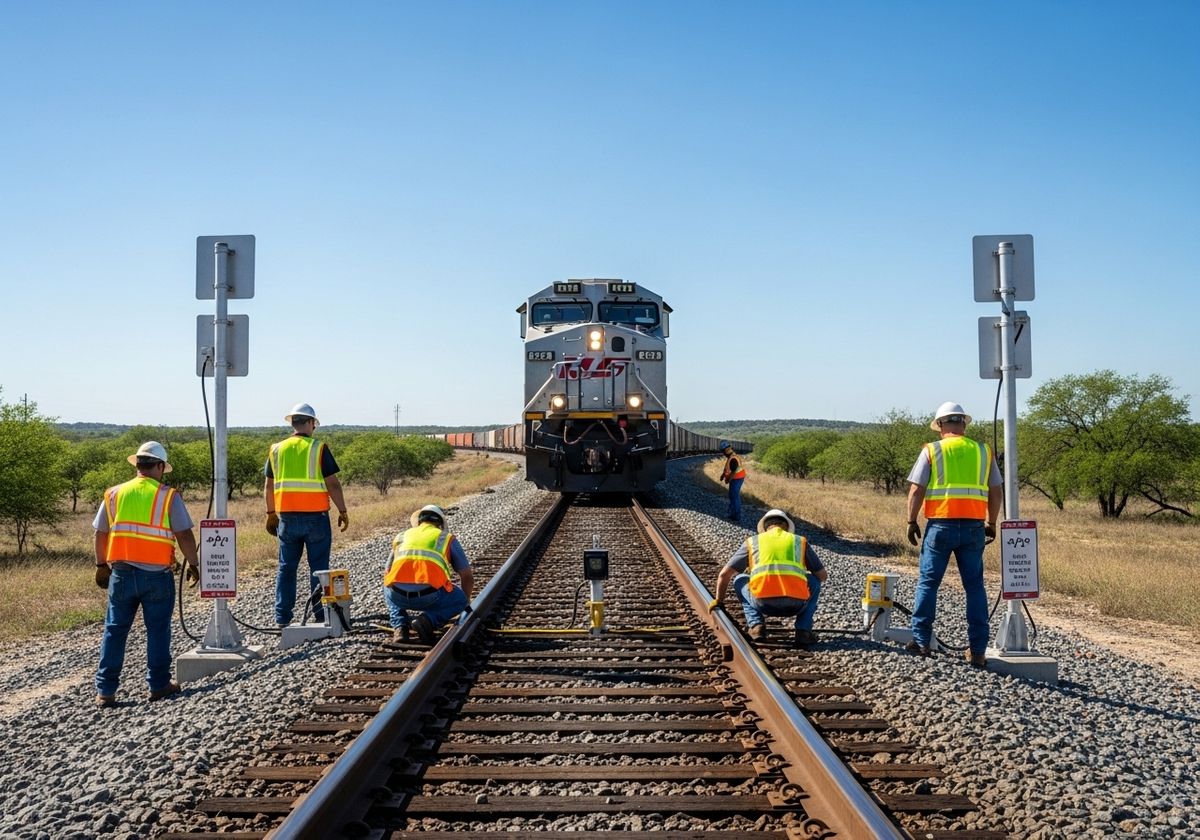
Maintaining compliance with railroad safety regulations is a critical task for any railroad operating in Texas. Failing to comply with federal railroad administration regulations can result in hefty fines, operational disruptions, and, most importantly, safety risks. Here are four key steps Texas railroads can take to ensure they stay on the right track.
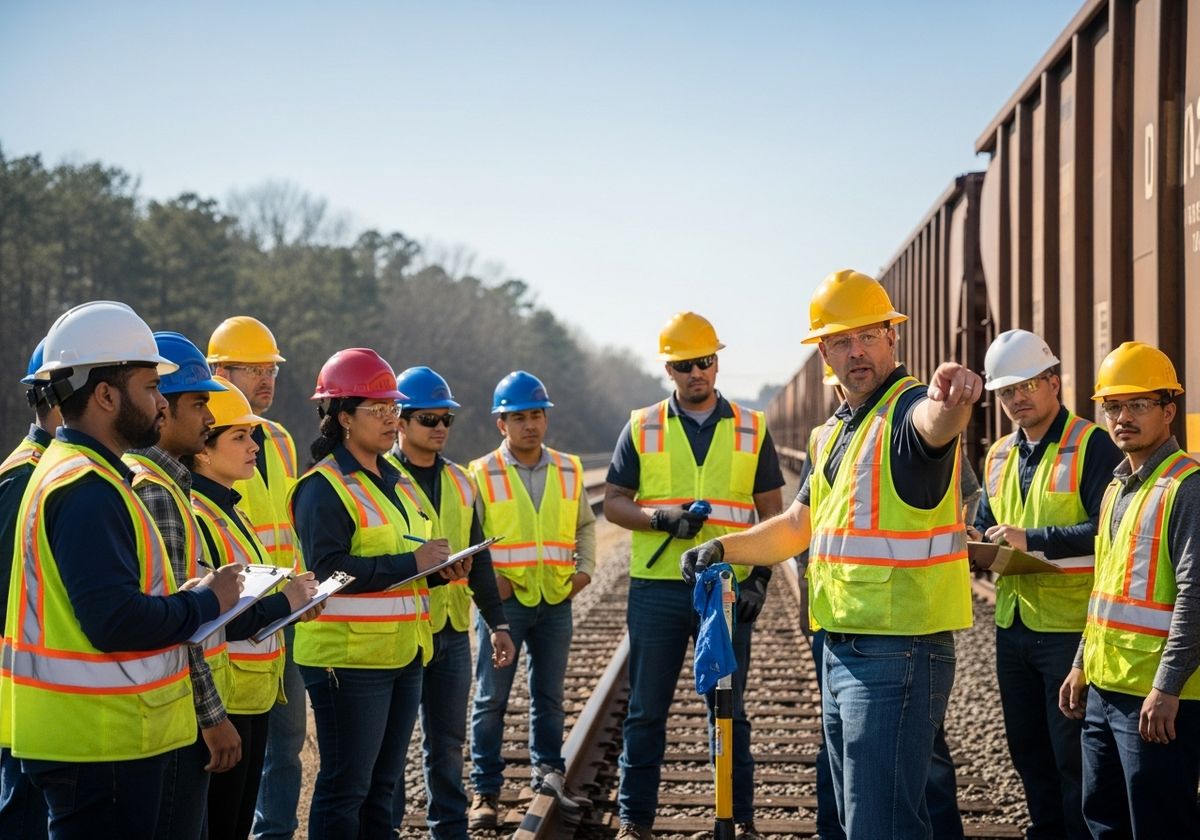
1. Implement Comprehensive Rail Safety Training Programs
Proper training is the cornerstone of railroad safety. All employees, from track workers to engineers, should undergo thorough and regular rail safety training. This training should cover railroad rules, emergency procedures, and the correct use of equipment. Keeping your team up-to-date with the latest safety protocols and federal railroad administration regulations is essential for preventing accidents and maintaining compliance.
2. Stay Updated on Federal Railroad Administration Regulations
The Federal Railroad Administration (FRA) frequently updates its regulations to address emerging safety concerns and technological advancements. Railroads must stay informed about these changes and adapt their practices accordingly. This includes monitoring FRA announcements, participating in industry workshops, and seeking expert guidance to interpret and implement new rules effectively. Failing to stay current can lead to non-compliance and potential penalties.
3. Secure Adequate Insurance Coverage
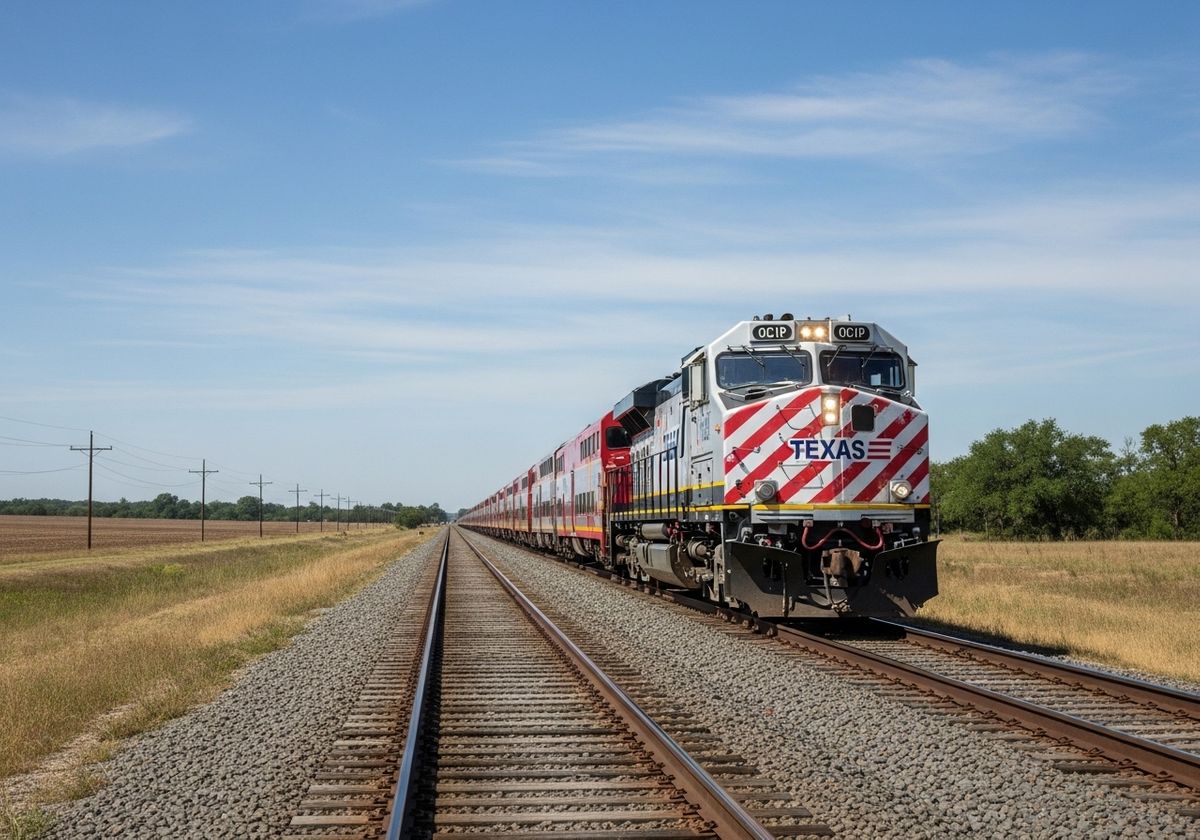
Insurance is a critical component of risk management for railroads. Adequate coverage protects against potential liabilities arising from accidents, injuries, or property damage. Railroads should carefully assess their insurance needs and secure appropriate policies, including Ocip insurance, to cover various risks. Regularly review your insurance coverage to ensure it aligns with your operational activities and regulatory requirements.
4. Conduct Regular Audits and Inspections
Regular internal and external audits are essential for identifying potential compliance gaps. These audits should assess all aspects of railroad operations, from track maintenance to equipment inspections to adherence to railroad rules. Addressing any identified deficiencies promptly will help prevent minor issues from escalating into major compliance problems. Document all audits and corrective actions to demonstrate a commitment to continuous improvement.
By prioritizing comprehensive training, staying informed on regulations, securing adequate insurance, and conducting regular audits, Texas railroads can effectively maintain compliance and foster a safer operating environment. These steps not only mitigate risks but also contribute to the overall efficiency and reliability of the rail network. Regional Railroad Safety Services provides expert guidance and support to help railroads navigate the complexities of compliance. Contact us today to learn more about our rail safety training programs and consulting services. You can also visit our website to view our full list of solutions.