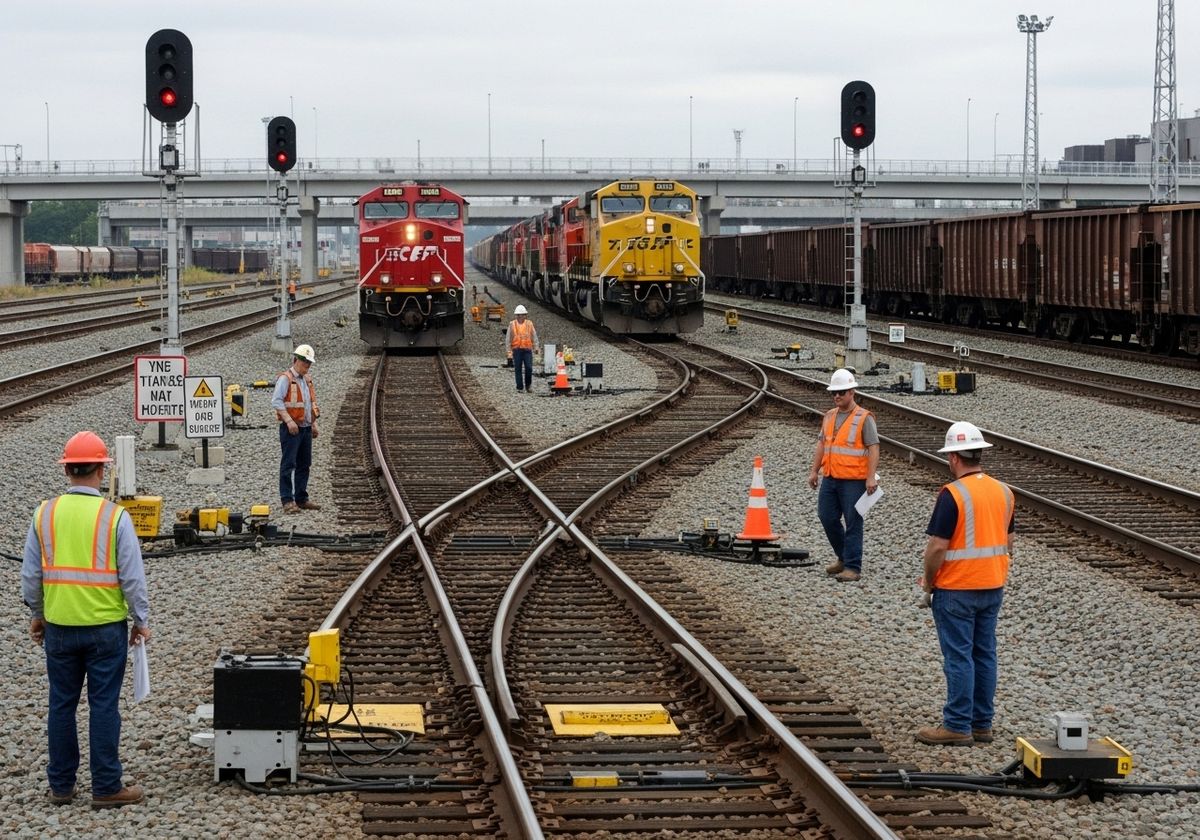
Navigating the complexities of railroad yard safety requires a comprehensive understanding of potential hazards and proactive implementation of preventative measures. Railroad yards, with their intricate networks of tracks and constant movement of heavy equipment, present numerous challenges. Prioritizing safety not only protects workers but also ensures the smooth and efficient operation of the entire rail network. Here are four ways to improve railroad yard safety:
Comprehensive Rail Safety Training Programs
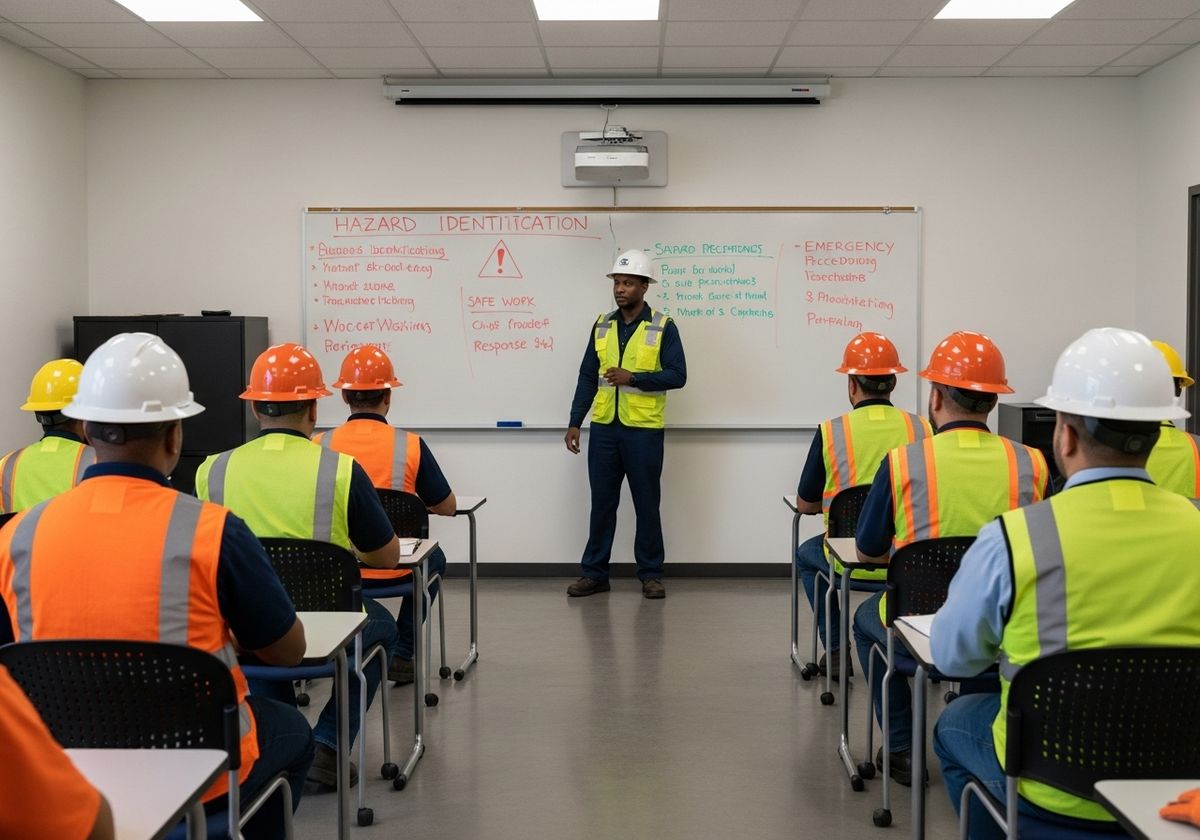
Effective rail safety training programs are the cornerstone of a safe railroad yard. These programs should cover a wide range of topics, including hazard identification, safe work procedures, emergency response protocols, and the proper use of personal protective equipment (PPE). Training should be ongoing and regularly updated to reflect changes in technology, procedures, and federal railroad administration regulations. Furthermore, it's crucial to ensure that all employees, regardless of their role, receive adequate training specific to their responsibilities. This includes not only new hires but also experienced personnel who may benefit from refresher courses or training on new equipment or procedures.
Strict Adherence to Railroad Rules and Regulations
A clearly defined set of railroad rules and regulations is essential for maintaining order and preventing accidents within the yard. These rules should be based on industry best practices and federal railroad administration regulations, and they should be consistently enforced. Regular audits and inspections can help identify areas where rules are not being followed or where additional safeguards are needed. It's also important to foster a culture of accountability, where employees feel empowered to report violations without fear of reprisal. This helps create a safer working environment for everyone.
Understanding and Managing Ocip Insurance
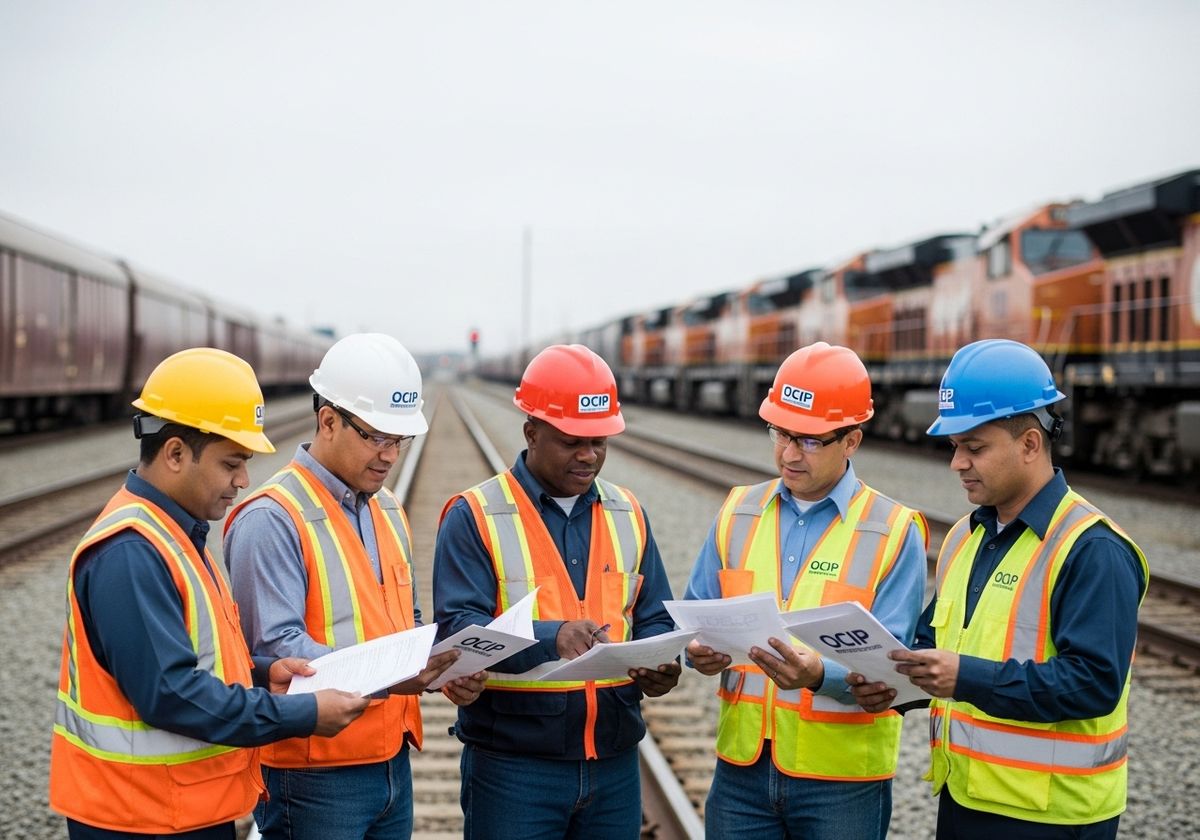
While not directly related to operational procedures, understanding and managing Ocip insurance is crucial for mitigating financial risks associated with accidents and injuries in the railroad yard. Ocip insurance, or Owner Controlled Insurance Program, provides coverage for all contractors and subcontractors working on a specific project. This can simplify the claims process and ensure that all parties are adequately protected in the event of an accident. However, it's important to carefully review the terms and conditions of the Ocip insurance policy to ensure that it provides adequate coverage for the specific risks associated with railroad yard operations.
Leveraging Technology for Enhanced Safety
Technology plays an increasingly important role in improving railroad safety. From advanced signaling systems to wearable safety devices, there are numerous ways to leverage technology to reduce the risk of accidents and injuries. For example, automated track inspection systems can identify potential hazards before they lead to derailments, while proximity detection systems can warn workers of approaching trains. Furthermore, data analytics can be used to identify trends and patterns that may indicate potential safety risks. By embracing technology and investing in innovative safety solutions, railroad yards can create a safer and more efficient working environment.
In conclusion, improving railroad yard safety requires a multifaceted approach that encompasses comprehensive training, strict adherence to rules, proactive risk management, and the strategic use of technology. By prioritizing these four key areas, railroad yards can significantly reduce the risk of accidents and injuries, protecting workers and ensuring the smooth operation of the rail network. Regional Railroad Safety Services is dedicated to providing comprehensive rail safety training and consulting services to help you create a safer and more efficient railroad yard. Contact us today to learn more about our rail safety training programs and how we can help you improve your railroad safety record. For more insights into railroad safety best practices, explore our resources on federal railroad administration regulations.