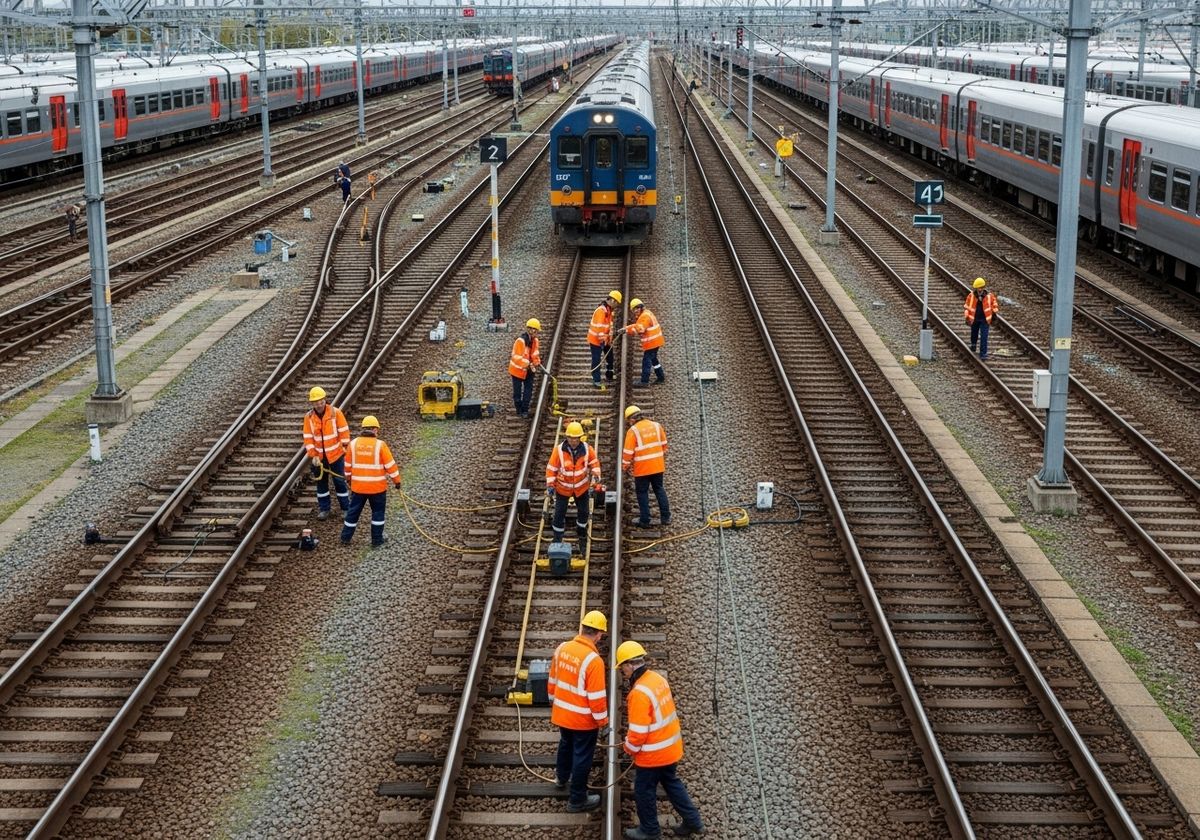
Navigating the complexities of rail yard operations requires a steadfast commitment to safety. Ensuring a secure environment not only protects personnel but also enhances efficiency and minimizes potential disruptions. Prioritizing safety is not just a regulatory requirement; it's a fundamental aspect of responsible rail yard management. This article explores practical strategies to elevate safety standards within your rail yard.
Implement Comprehensive Railroad Safety Training Programs
A well-trained workforce is the cornerstone of any successful safety initiative. Railroad safety training programs should cover a wide range of topics, including hazard identification, equipment operation, emergency response, and federal railroad administration regulations. Regular refresher courses are essential to keep employees updated on the latest safety protocols and best practices. Training should be hands-on and practical, allowing employees to apply their knowledge in real-world scenarios.
Enforce Strict Adherence to Federal Railroad Administration Regulations
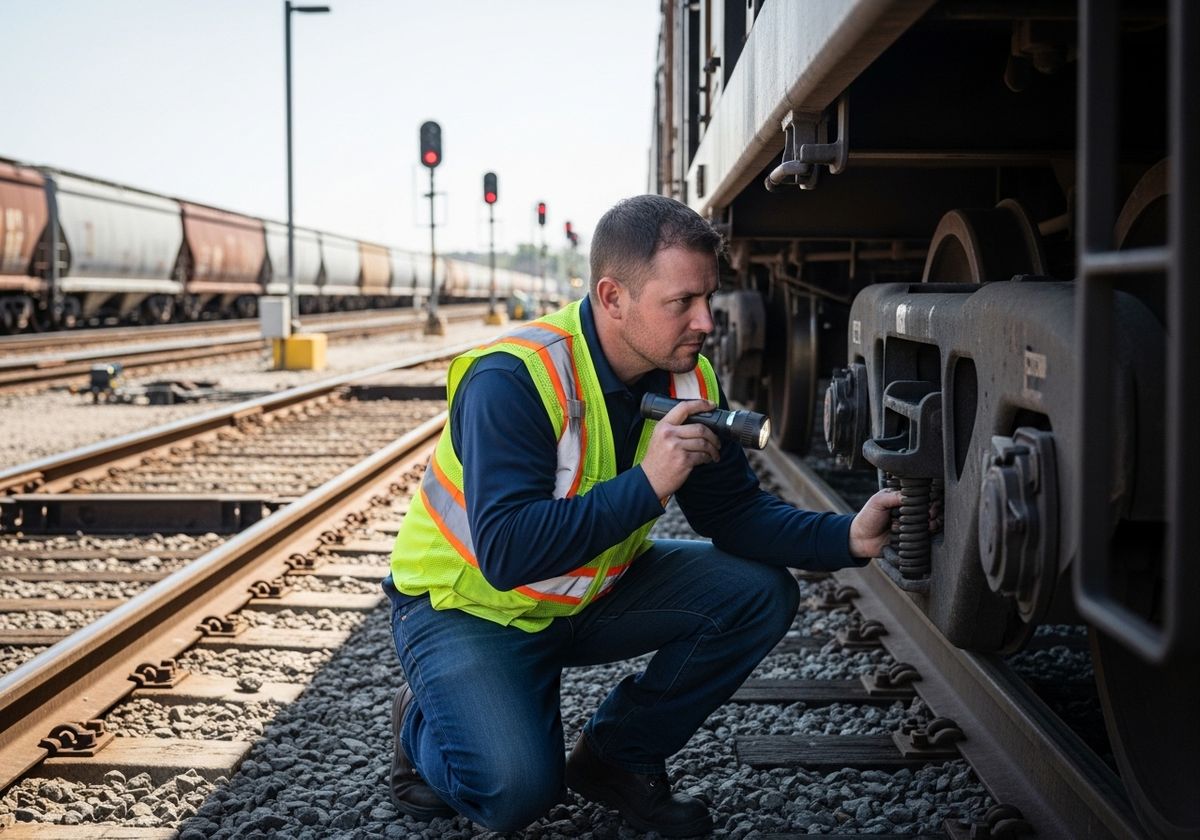
The Federal Railroad Administration (FRA) sets forth comprehensive regulations designed to ensure railroad safety. Staying compliant with these regulations is not only a legal obligation but also a critical component of risk management. Regularly review and update your safety procedures to align with the latest FRA guidelines. Conduct internal audits to identify areas where improvements are needed and take corrective action promptly.
Utilize Advanced Technology to Enhance Safety
Technology offers numerous opportunities to improve rail yard safety. Consider implementing systems such as automated track inspection, remote monitoring, and collision avoidance technology. These tools can help detect potential hazards, prevent accidents, and improve overall situational awareness. Investing in technology demonstrates a commitment to innovation and a proactive approach to safety management.
Emphasize the Importance of Railroad Flagger Protocols
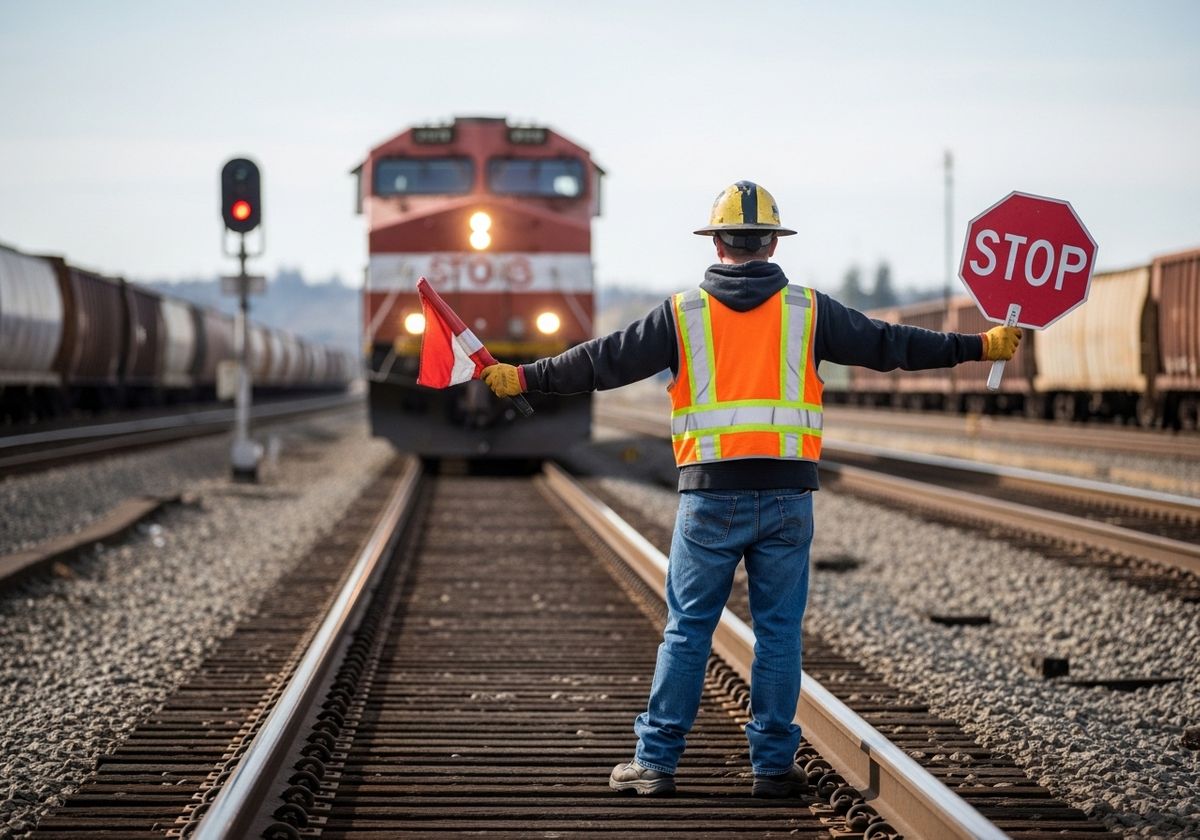
Railroad flaggers play a crucial role in protecting workers and equipment during track maintenance and construction activities. Ensure that all flaggers are properly trained and certified. Establish clear communication protocols and utilize high-visibility clothing and equipment. Regularly assess flagger performance to identify areas for improvement and reinforce the importance of their role in maintaining a safe work environment.
Improving rail yard safety requires a multifaceted approach that encompasses training, regulatory compliance, technology, and diligent execution of safety protocols. By prioritizing these key areas, organizations can create a safer and more efficient operating environment. Regional Railroad Safety Services specializes in providing comprehensive solutions that address these critical aspects of railroad safety. Contact us today to learn more about our railroad safety training programs and how we can help you enhance safety within your rail yard. For additional insights, explore our resources on federal railroad administration regulations and best practices for railroad flagger safety.