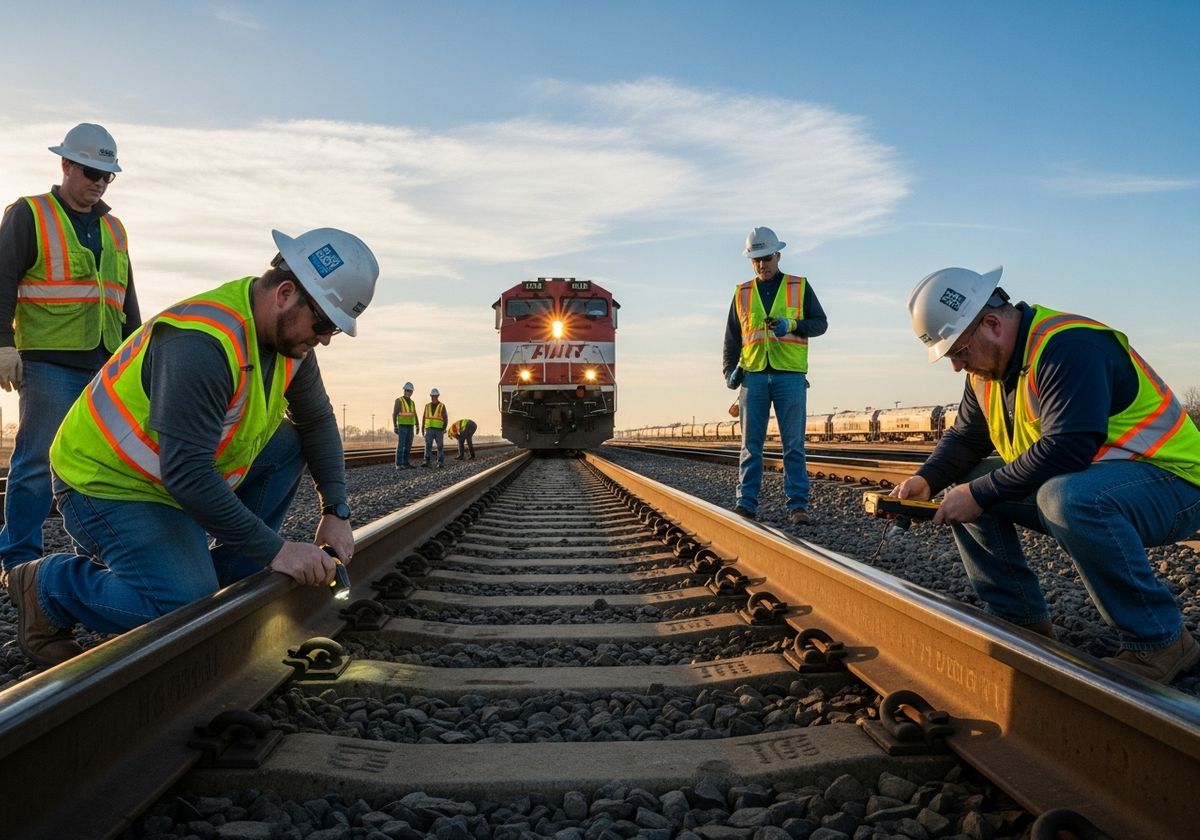
Navigating the complex landscape of safety regulations is crucial for any rail operation, especially in a bustling hub like the Dallas-Fort Worth (DFW) area. Ensuring your operations are not only efficient but also compliant with Occupational Safety and Health Administration (OSHA) standards is paramount to protecting your workforce and maintaining operational integrity.
Understanding OSHA's Role in Railroad Safety
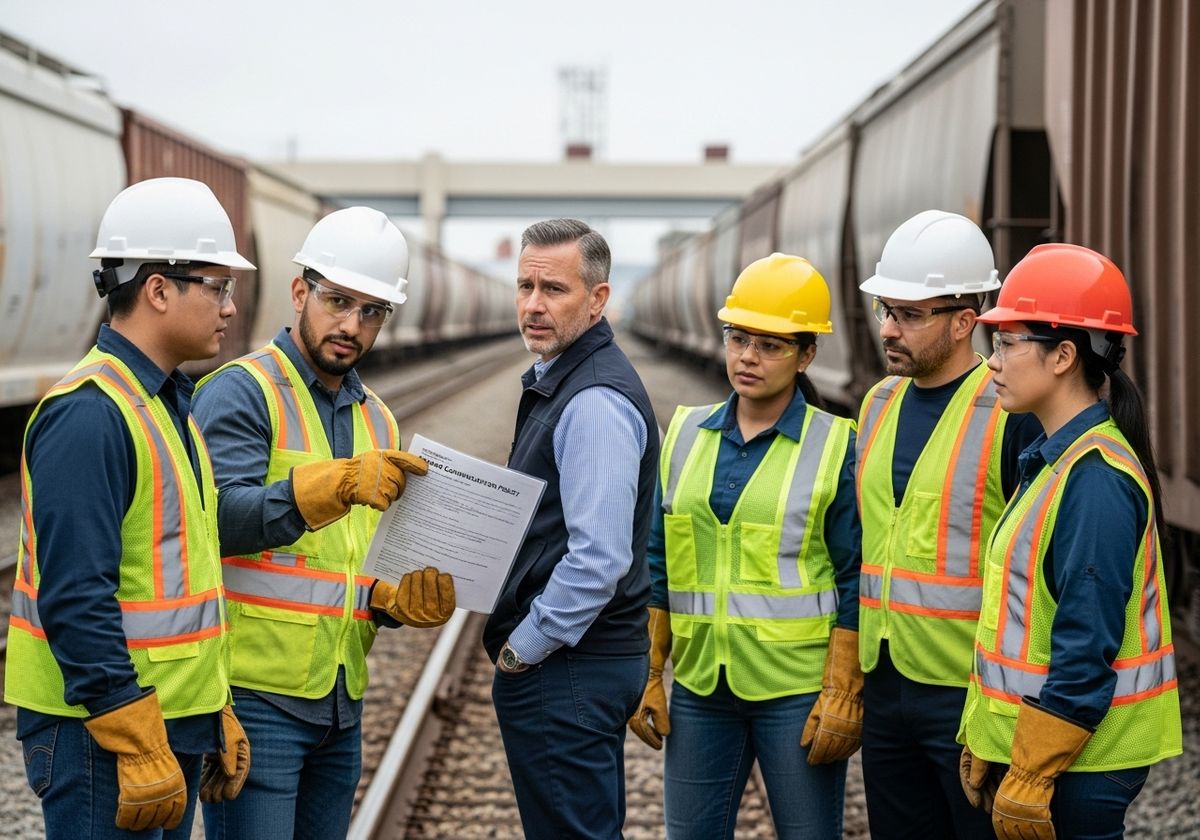
While the Federal Railroad Administration (FRA) is the primary regulatory body for railroad safety, OSHA also plays a significant role, particularly in areas not specifically covered by FRA regulations. This can include aspects like workplace safety, hazard communication, and personal protective equipment (PPE) requirements. Understanding the interplay between FRA and OSHA, including federal railroad administration regulations, is key to a comprehensive safety program.
Key Areas of OSHA Compliance for DFW Rail Operations
Hazard Communication: Ensuring all employees are aware of the potential hazards they may encounter, including proper labeling and Safety Data Sheets (SDS) for chemicals used.
Personal Protective Equipment (PPE): Providing and mandating the use of appropriate PPE, such as high-visibility vests, safety glasses, and hearing protection, based on the specific tasks performed.
Lockout/Tagout Procedures: Implementing strict procedures for de-energizing equipment during maintenance to prevent accidental start-ups and injuries.
Confined Space Entry: Establishing safe procedures for entering and working in confined spaces, such as tank cars or tunnels.
Emergency Action Plans: Developing and regularly practicing emergency action plans to ensure a swift and effective response to incidents.
The Importance of Rail Safety Training
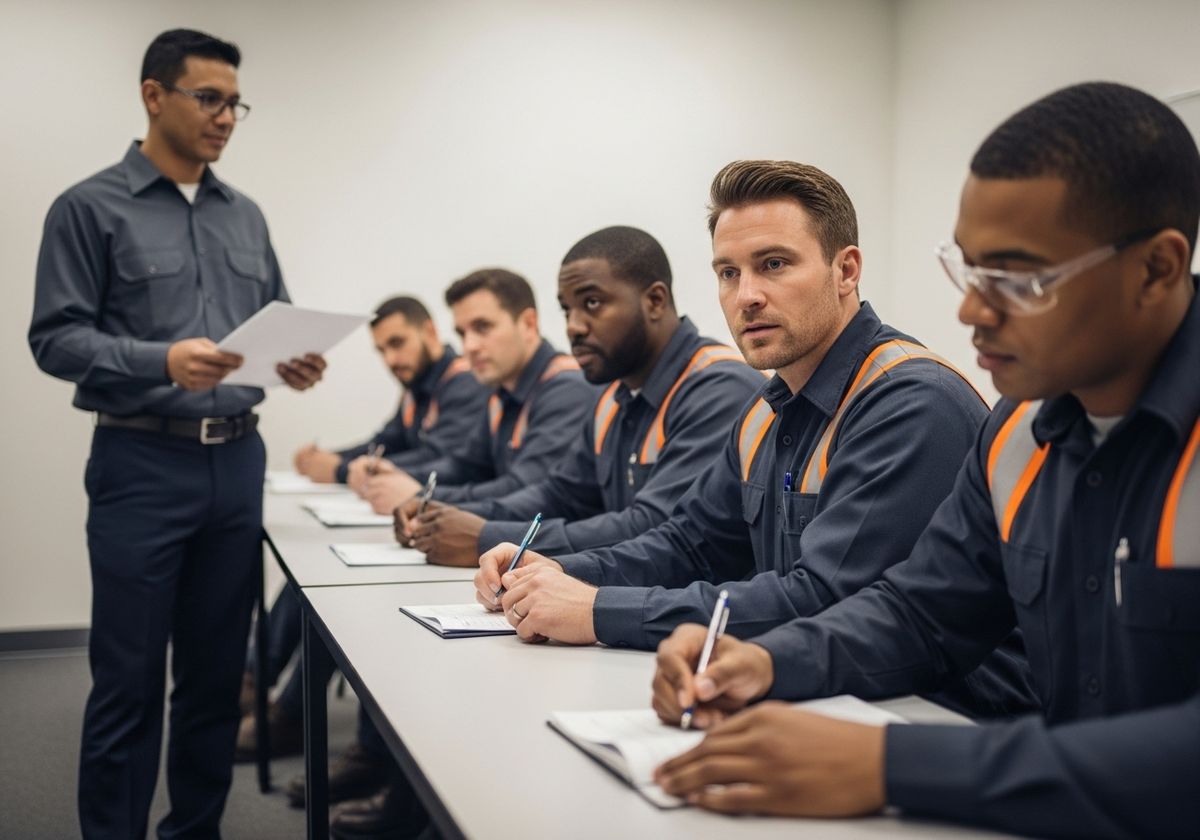
Comprehensive rail safety training is essential for ensuring OSHA compliance and fostering a safety-conscious culture. Training programs should cover a wide range of topics, including:
Railroad Rules and Procedures: A thorough understanding of operating rules and safety procedures is critical for preventing accidents and injuries.
FRA and OSHA Regulations: Employees must be knowledgeable about the relevant regulations and how they apply to their specific job functions.
Hazard Recognition and Avoidance: Training should equip employees with the skills to identify potential hazards and take appropriate measures to avoid them.
Emergency Response: Employees should be trained on how to respond to emergencies, including derailments, fires, and medical incidents.
The Role of Ocip Insurance
While not directly related to OSHA compliance, Ocip insurance (Owner Controlled Insurance Program) can play a crucial role in managing risk and protecting your organization from financial losses associated with accidents and injuries. Ocip insurance can streamline the claims process and ensure that all contractors and subcontractors are adequately insured.
Navigating the complexities of railroad safety, OSHA compliance, and risk management can be challenging. By prioritizing safety, investing in comprehensive training, and staying informed about the latest regulations, DFW rail operations can create a safer working environment for their employees and minimize the risk of accidents and injuries. Regional Railroad Safety Services, as a part of the Higher Education industry, provides comprehensive rail safety training programs and consulting services to help you navigate these challenges and ensure your operations are safe, compliant, and efficient. Contact us today to learn more about our rail safety training solutions, and be sure to check out our other blog posts for more information about railroad safety.