In the intricate world of rail operations, the safe handling and transportation of hazardous materials (hazmat) is of paramount importance. Effective hazmat training is not just a regulatory requirement; it's a critical investment in the safety of personnel, the environment, and the communities served by rail lines. This blog post will explore the essential steps for developing and implementing a hazmat training program that ensures compliance and fosters a culture of safety.

Understanding Regulatory Requirements
The first step in effective hazmat training is to thoroughly understand the applicable regulations. In the United States, the Department of Transportation (DOT) sets forth comprehensive requirements for hazmat training under 49 CFR Part 172, Subpart H. These regulations outline the topics that must be covered, the frequency of training, and the qualifications of trainers. Understanding these requirements is crucial for developing a compliant training program.
Identifying Training Needs
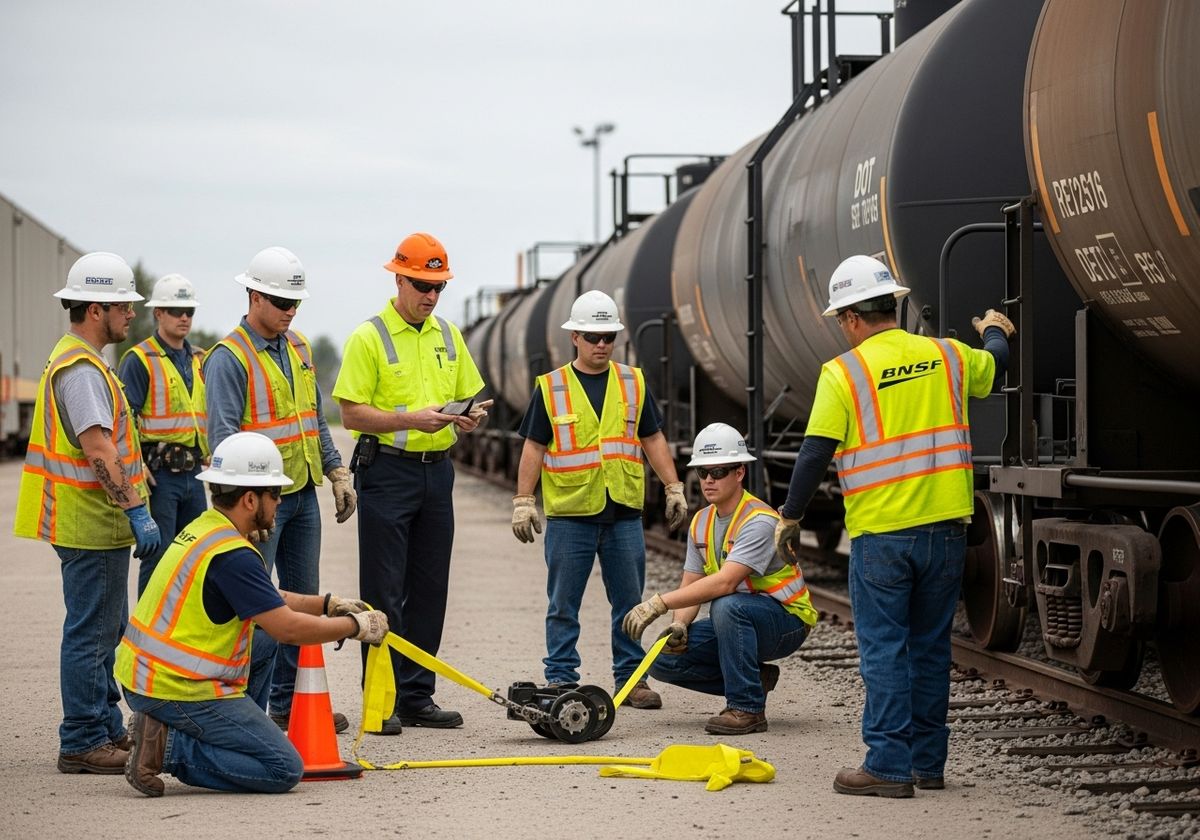
Once you understand the regulations, the next step is to identify the specific training needs of your organization. This involves assessing the types of hazardous materials handled, the tasks performed by employees, and the potential hazards involved. A thorough needs assessment will help you tailor your training program to address the unique challenges and risks faced by your workforce. For railway operations, this might include specialized BNSF railroad safety training.
Developing a Comprehensive Training Program
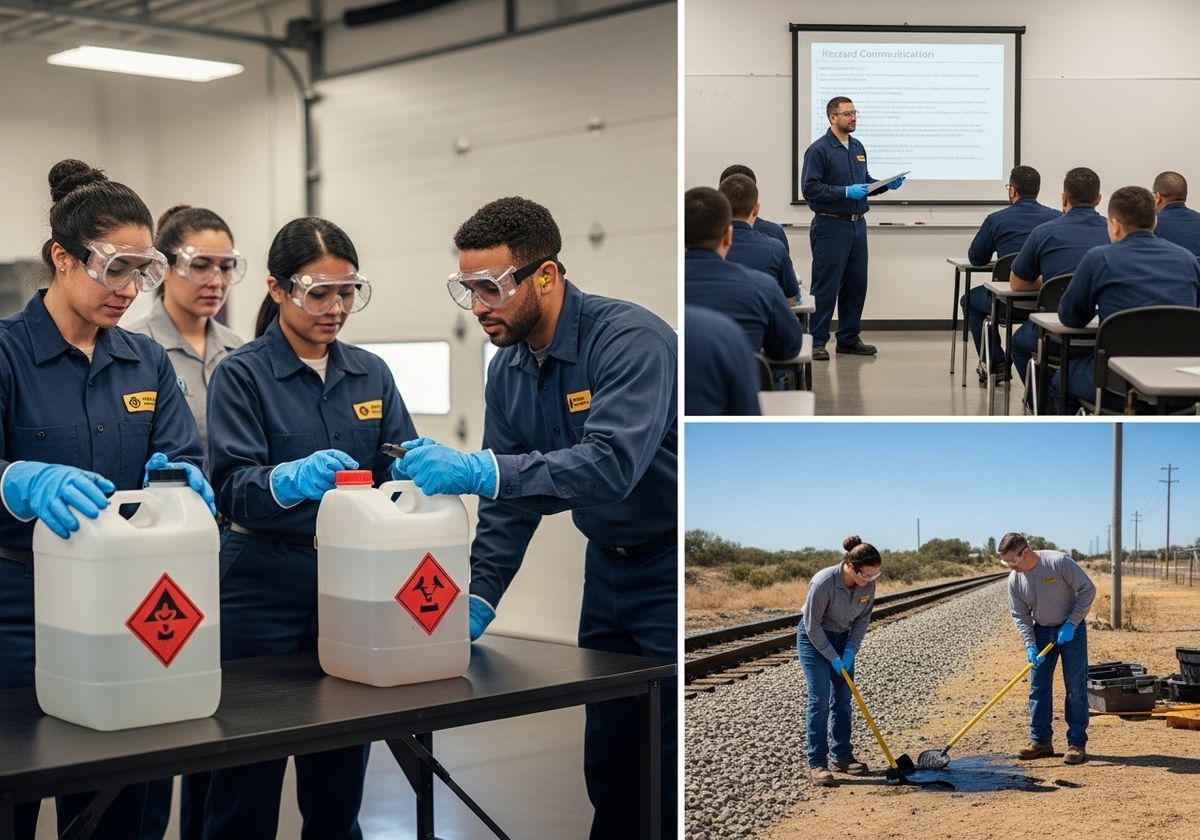
A comprehensive hazmat training program should cover a range of topics, including:
Hazard communication: Ensuring employees understand the hazards associated with the materials they handle.
Safe handling procedures: Training employees on the proper techniques for handling, storing, and transporting hazardous materials.
Emergency response: Equipping employees with the knowledge and skills to respond effectively to hazmat incidents.
Security awareness: Training employees to recognize and report potential security threats.
The training program should utilize a variety of methods, such as classroom instruction, hands-on exercises, and simulations, to engage learners and reinforce key concepts. Many seek a railroad safety training certification upon completion of such programs.
Implementing and Maintaining the Training Program
Implementing a hazmat training program requires a commitment from leadership and the active participation of employees. The training should be delivered by qualified instructors who have the knowledge and experience to effectively communicate the information. Regular refresher training should be conducted to reinforce learning and ensure that employees stay up-to-date on the latest regulations and best practices. Often, this is part of a wider railway safety course offering.
Evaluating Training Effectiveness
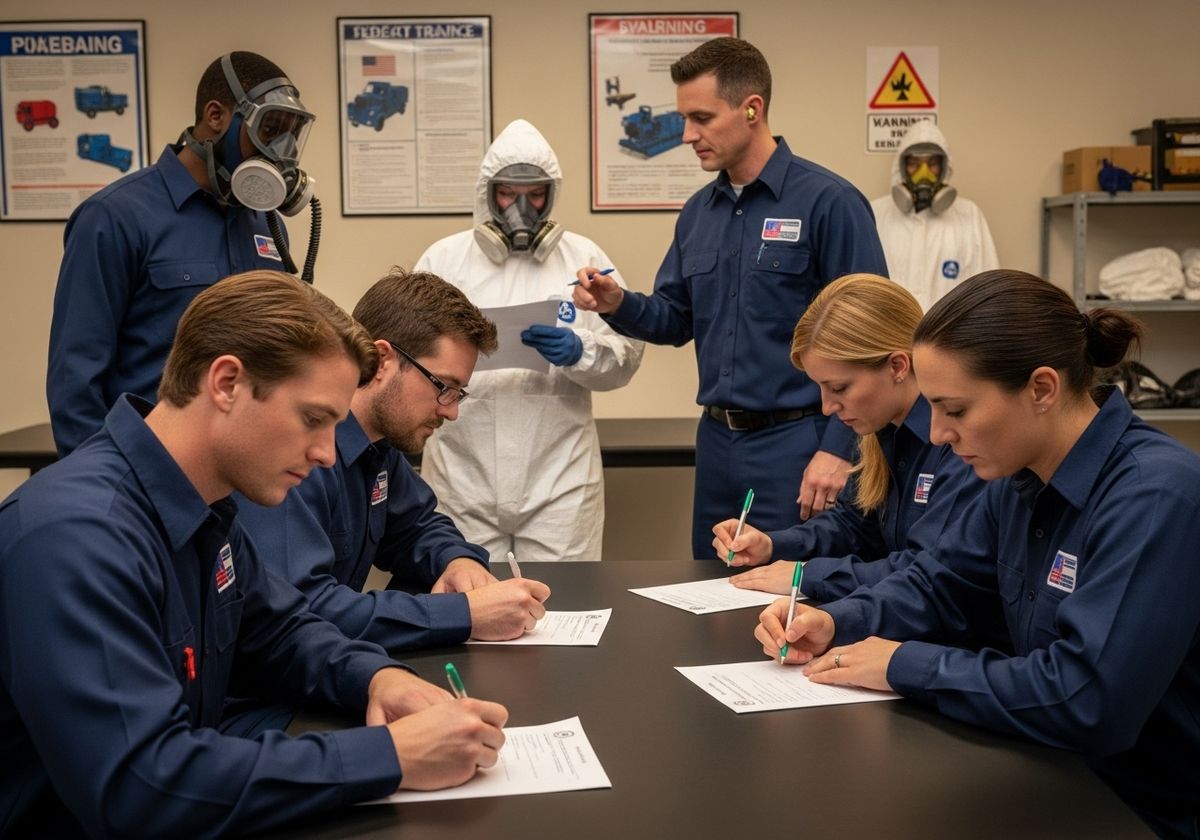
To ensure that your hazmat training program is effective, it's important to evaluate its impact on employee knowledge, skills, and behavior. This can be done through quizzes, tests, observations, and feedback surveys. The results of the evaluation should be used to identify areas for improvement and to make adjustments to the training program as needed.
Effective hazmat training is a continuous process that requires ongoing attention and investment. By understanding regulatory requirements, identifying training needs, developing a comprehensive training program, implementing and maintaining the program, and evaluating its effectiveness, organizations can create a culture of safety and ensure the safe handling and transportation of hazardous materials. At Regional Railroad Safety Services, we understand the importance of comprehensive rail safety. Contact us today to learn more about our safety solutions and how we can help you improve your organization's safety performance. Check out our website to learn more!