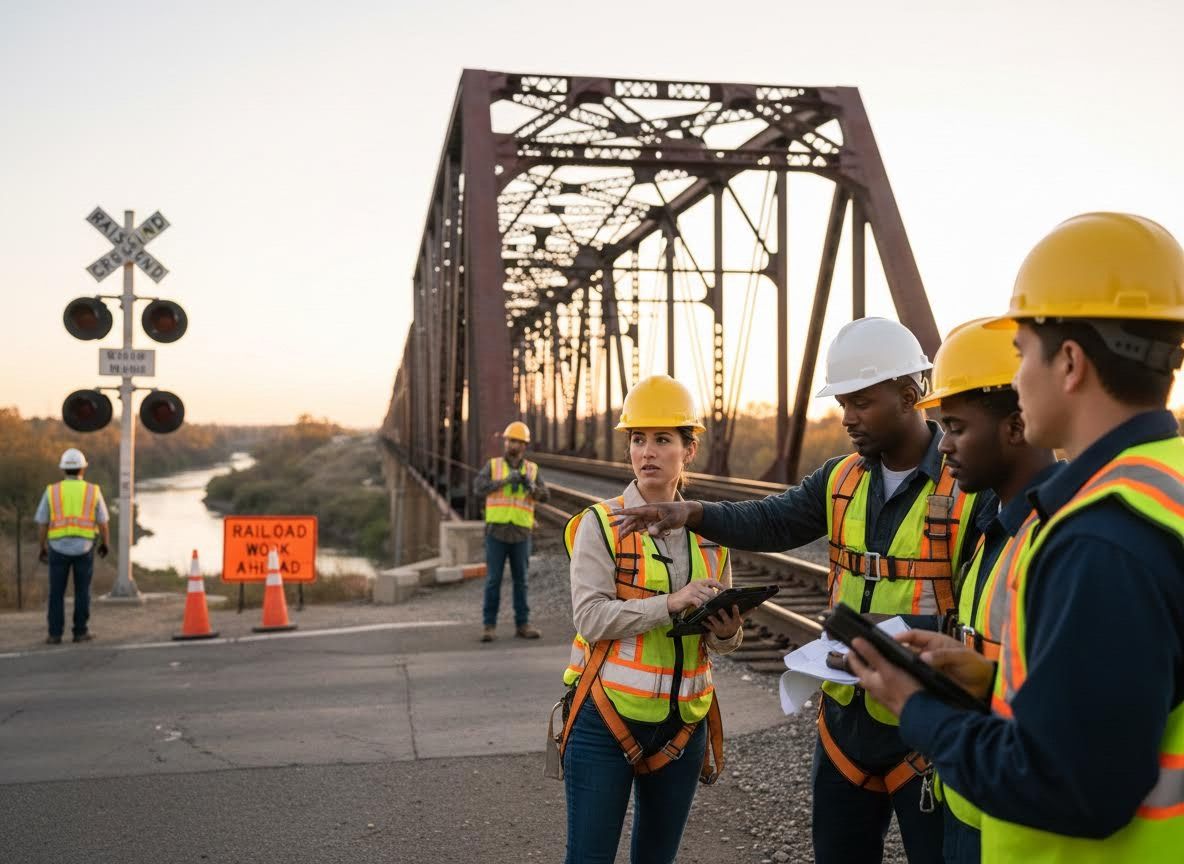
Bridge management programs are critical for maintaining infrastructure integrity and ensuring the uninterrupted flow of rail operations. Beyond structural assessments, comprehensive safety services are paramount to protect personnel, the public, and the railway environment during all phases of bridge work. Understanding the multifaceted approach to safety helps minimize risks and enhance operational efficiency for these vital structures. Regional Railroad Safety Services specializes in delivering these crucial safety components to support robust bridge management.
Proactive Risk Assessment and Planning
Effective bridge management begins long before any work commences, with thorough risk assessment and detailed planning. This involves identifying potential hazards associated with construction, maintenance, and inspection activities around and on railway bridges. A robust plan considers environmental factors, operational constraints, and the specific characteristics of each bridge structure. Implementing a proactive approach ensures that all potential safety challenges are identified early, allowing for the development of preventative measures and emergency response protocols, thereby significantly contributing to overall railroad safety.
Ensuring Comprehensive Coverage and Compliance
Working on or near railway infrastructure, especially bridges, carries inherent risks that necessitate specialized coverage. Project owners and contractors must navigate complex regulatory landscapes and ensure adequate protection for all stakeholders. This is where tailored insurance solutions become invaluable, providing financial security against unforeseen incidents. Utilizing mechanisms like ocip insurance can streamline coverage for multiple contractors and subcontractors involved in large bridge projects, ensuring all parties are adequately protected under a unified policy. This integrated approach helps manage liabilities and maintain compliance with industry standards.
Specialized Personnel Preparation
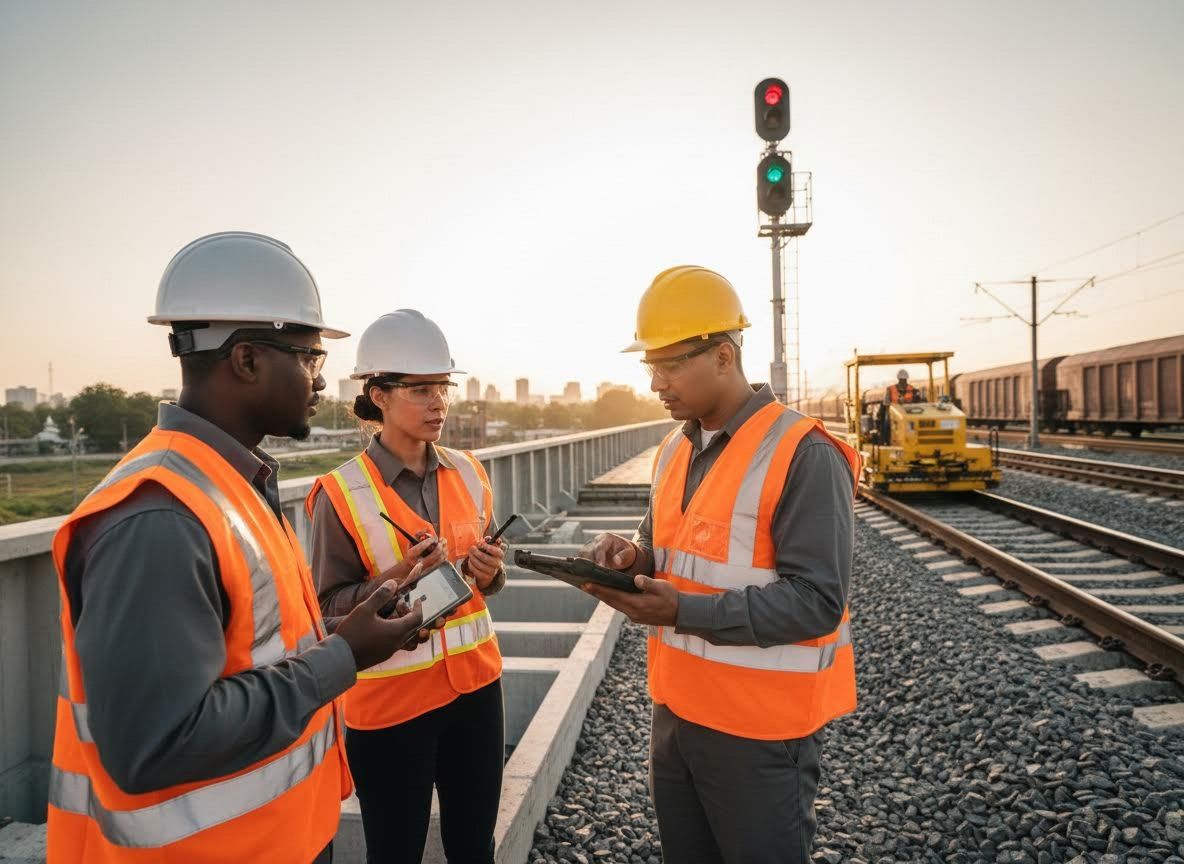
The human element is a cornerstone of any successful safety program, particularly in the demanding environment of bridge work. Ensuring that all personnel involved possess the necessary knowledge and skills is non-negotiable for preventing accidents. Comprehensive training on track safety is essential for anyone operating in close proximity to active rail lines or on railway property. This education covers critical topics such as general railroad safety awareness, understanding railway signals, safe equipment operation, and emergency procedures. Well-trained teams are better equipped to identify hazards, follow protocols, and react appropriately to dynamic situations, significantly enhancing the safety of bridge projects.
Mitigating Risks at Intersections and Access Points
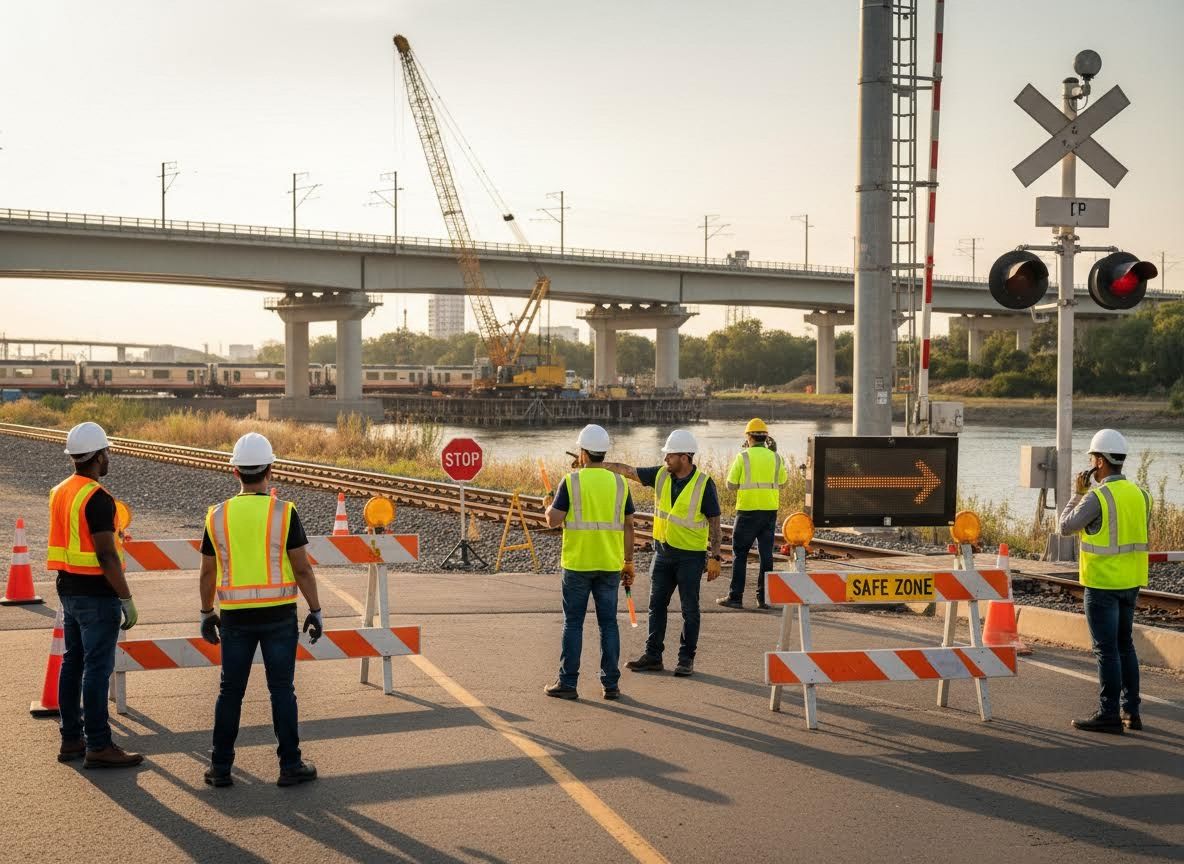
Many bridge projects require careful consideration of adjacent infrastructure, including railway crossings. Ensuring crossing safety during bridge construction or maintenance is crucial, as these points represent high-risk areas for both railway personnel and the public. Implementing proper traffic control measures, clear signage, and designated safe zones are vital. Furthermore, communicating effectively with local authorities and railway operators about project timelines and potential impacts on crossing operations helps to prevent incidents. A holistic approach to project safety encompasses not only the bridge structure itself but also all access routes and surrounding areas impacted by the work.
Implementing comprehensive safety services is not merely a regulatory requirement but a fundamental investment in the longevity and reliability of railway bridge infrastructure. From initial risk assessments and tailored insurance solutions like ocip insurance to rigorous training on track safety and vigilant crossing safety measures, each component plays a vital role in protecting valuable assets and personnel. By integrating these crucial elements, organizations uphold the highest standards of railroad safety, ensuring project success and operational continuity. To learn more about how specialized safety expertise can bolster your bridge management programs, consider exploring resources dedicated to railway infrastructure safety.