In the dynamic and complex world of rail operations, maintaining impeccable railroad safety standards is not merely a goal, but an absolute necessity. Effective training programs are the bedrock upon which compliance, operational efficiency, and the protection of lives and assets are built. At Regional Railroad Safety Services, we understand that a proactive approach to developing and implementing robust training is paramount for any entity operating within or alongside the rail environment. This commitment to continuous learning is what ultimately safeguards our railways and the communities they serve.
The Cornerstone of Operational Excellence
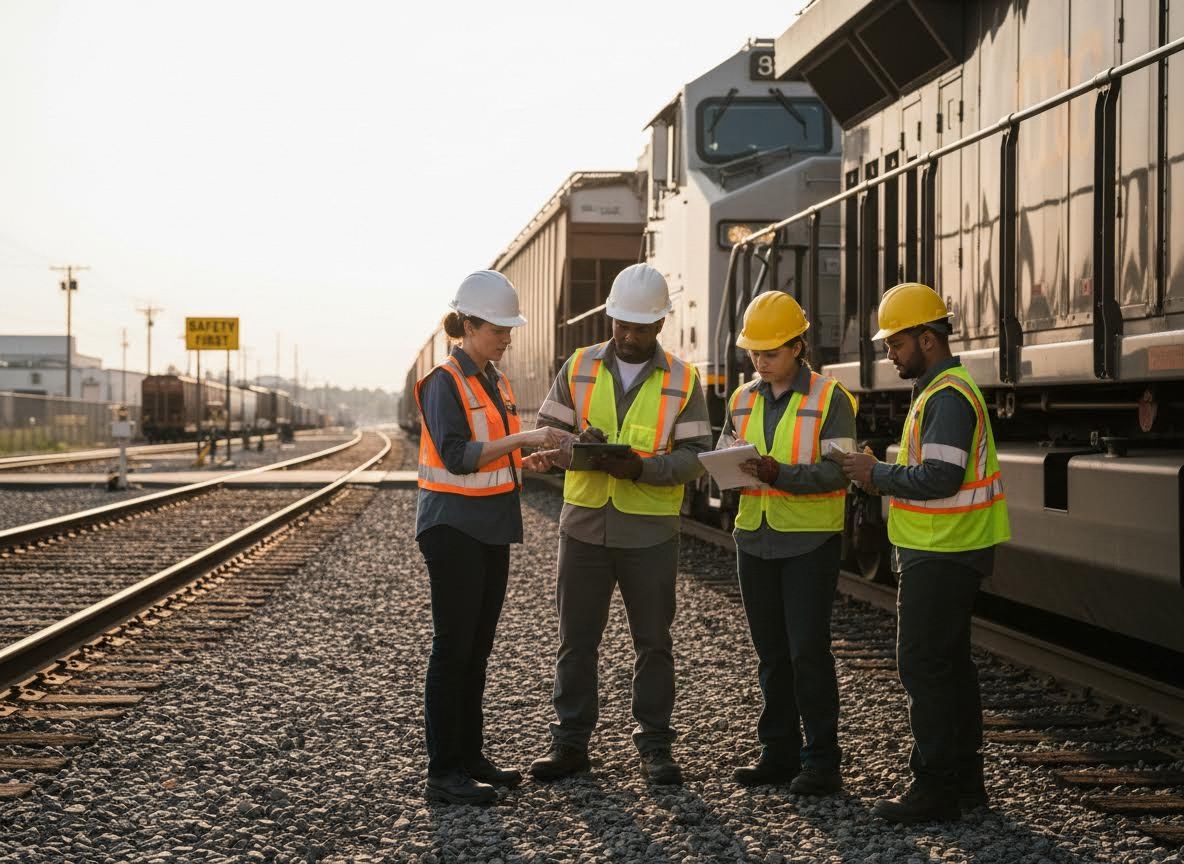
Developing effective training on track safety goes beyond fulfilling basic regulatory requirements; it's about embedding a culture of safety into every level of an organization. Comprehensive training programs ensure that all personnel, from new hires to seasoned veterans, are equipped with the knowledge and skills necessary to identify hazards, adhere to protocols, and respond effectively to unforeseen situations. This includes everything from proper equipment handling and maintenance to understanding intricate signaling systems and emergency procedures. Without this foundational understanding, even the most advanced safety technologies can fall short.
Mitigating Risks Through Focused Education
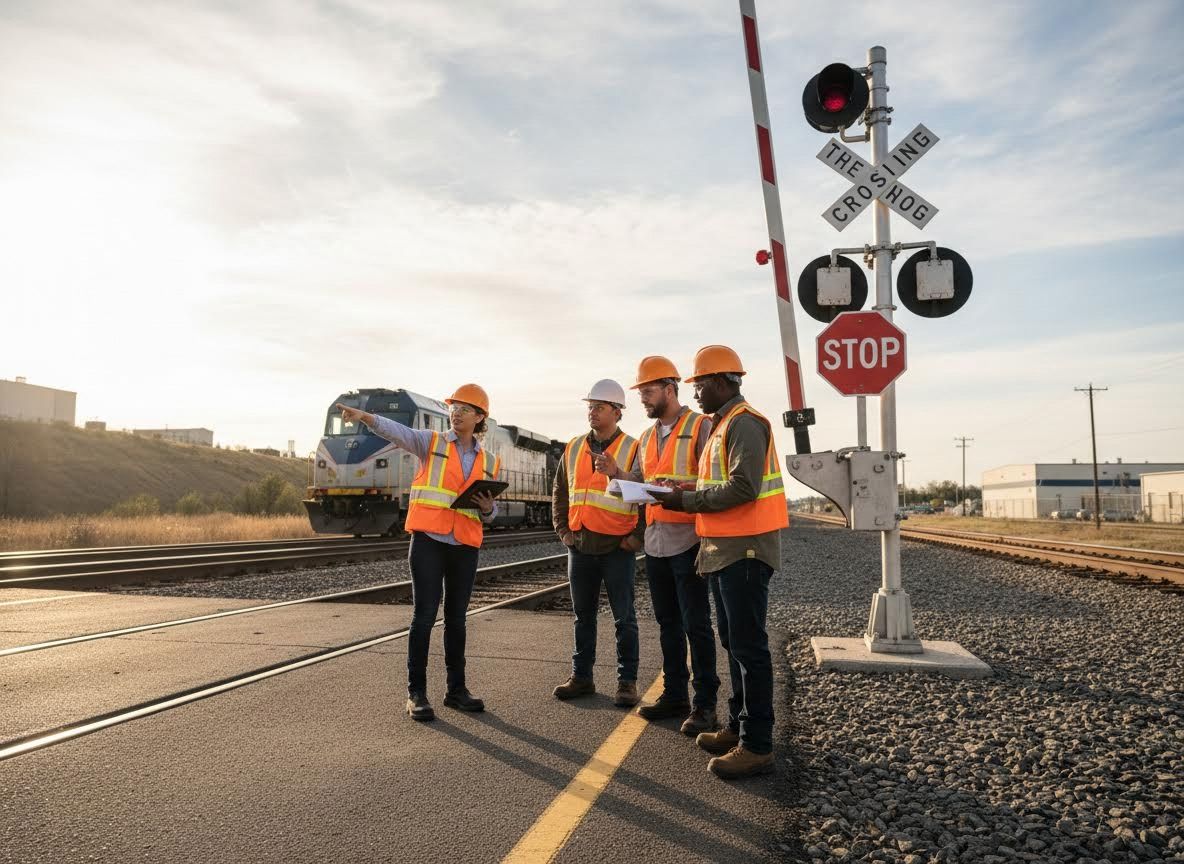
Specific areas within railroad operations demand particular attention in training regimens. For instance, enhancing crossing safety is a critical component of any comprehensive safety program, requiring detailed instruction on procedures, signage interpretation, and public interaction. Beyond crossings, training must cover trackside operations, right-of-way protocols, and the use of personal protective equipment. By focusing educational efforts on these high-risk areas, organizations can significantly reduce the likelihood of incidents and improve overall railroad safety performance. Tailored training modules can address unique challenges presented by specific environments or operational conditions.

Compliance, Consistency, and Comprehensive Programs
Robust training programs are essential for ensuring ongoing compliance with federal, state, and local regulations. They provide a documented history of competency and demonstrate an organization's commitment to safety. Furthermore, these programs contribute to a consistent approach to risk management across all operations. When training is standardized and regularly updated, it fosters a uniform understanding of best practices, reducing variability and human error. Such comprehensive safety frameworks, often aligned with the principles that underpin programs like ocip insurance, recognize the value of proactive measures in minimizing overall risk exposure and promoting a safer working environment for everyone involved.
Developing and maintaining robust training programs for railroad safety is an ongoing commitment that yields invaluable returns in terms of protection and operational integrity. A well-trained workforce is the strongest defense against accidents and the most effective driver of compliance and continuous improvement. To learn more about tailoring comprehensive safety training solutions for your specific needs, explore resources dedicated to advanced railroad safety practices.