
Ensuring the safety of railroad operations is paramount, protecting lives, infrastructure, and investments. Regular and thorough safety audits are a cornerstone of this commitment, providing critical insights into operational integrity. At Regional Railroad Safety Services, we understand that an audit is not just a formality but a powerful tool for risk mitigation. This post will explore effective strategies to make your railroad safety audits truly impactful and invaluable.
Laying the Foundation: Purpose and Planning
Before any audit begins, defining its scope and objectives is crucial. This involves identifying specific areas of focus, such as track maintenance, signal systems, locomotive inspections, or personnel training, and establishing clear metrics for evaluation. A well-defined plan ensures that the audit is targeted, efficient, and yields actionable results. It moves beyond a simple compliance check, transforming the process into a proactive risk assessment aimed at uncovering vulnerabilities and strengthening overall safety protocols.
Executing a Comprehensive Audit
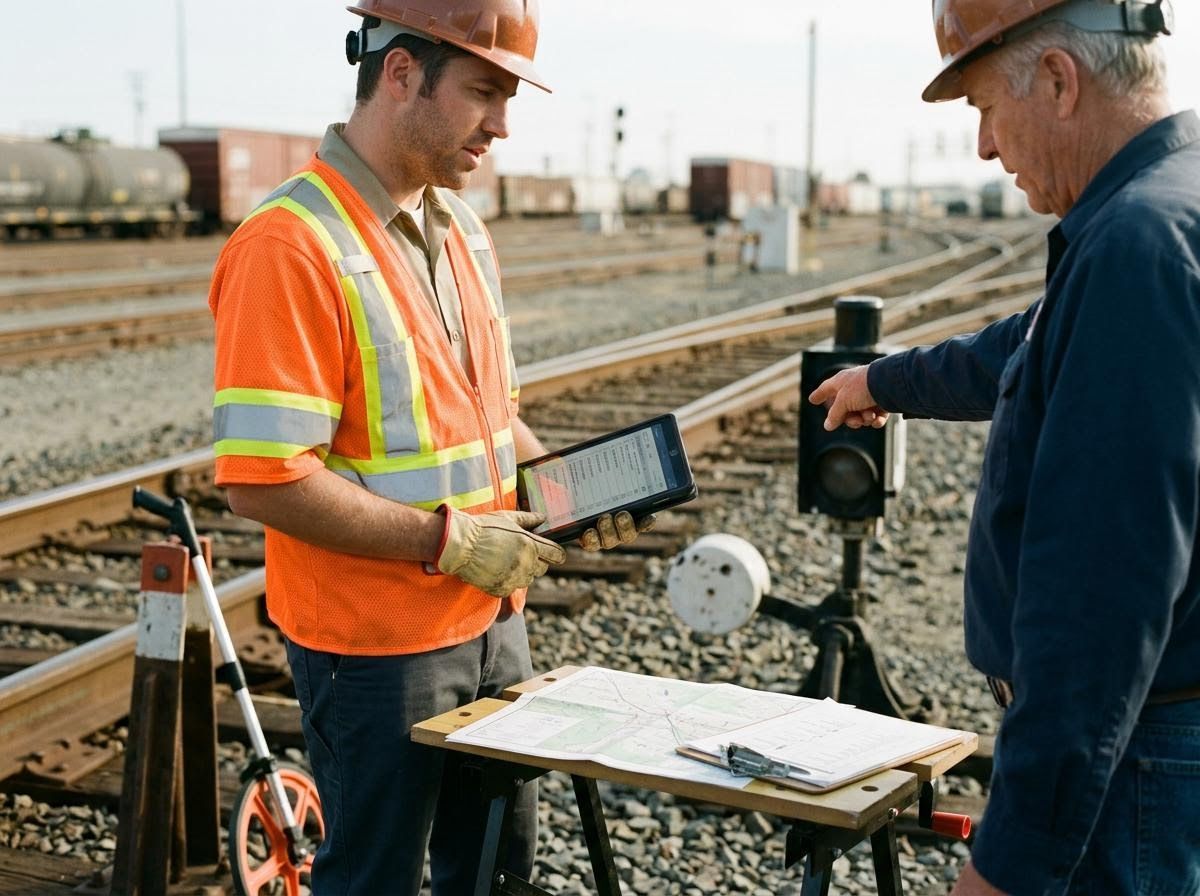
An effective audit requires a multi-faceted approach, combining meticulous document review with hands-on field inspections. Analyzing maintenance logs, incident reports, safety manuals, and training records provides a historical context and highlights areas of past concern. Simultaneously, on-site assessments verify actual practices against established protocols and industry best standards. Interviewing staff at various levels, from front-line operators to management, also offers invaluable qualitative data, revealing potential systemic issues or gaps in understanding that might otherwise be overlooked.

From Findings to Action: Implementing Continuous Improvement
The true value of a safety audit lies in the implementation of its findings. Developing clear, time-bound corrective action plans for identified deficiencies is essential. This includes assigning responsibilities, allocating necessary resources, and establishing robust follow-up mechanisms to track progress and verify the effectiveness of implemented changes. Furthermore, audit insights should inform continuous training initiatives and process refinements, fostering a culture of perpetual safety improvement rather than a one-time fix.
Effective railroad safety audits are dynamic processes that drive continuous improvement and safeguard operations, far exceeding mere compliance checks. By meticulously planning, thoroughly executing, and diligently following up on audit findings, organizations can significantly enhance their safety posture and build resilience. To learn more about optimizing your safety audit processes and ensuring a robust safety culture, consider exploring the comprehensive solutions offered by Regional Railroad Safety Services.