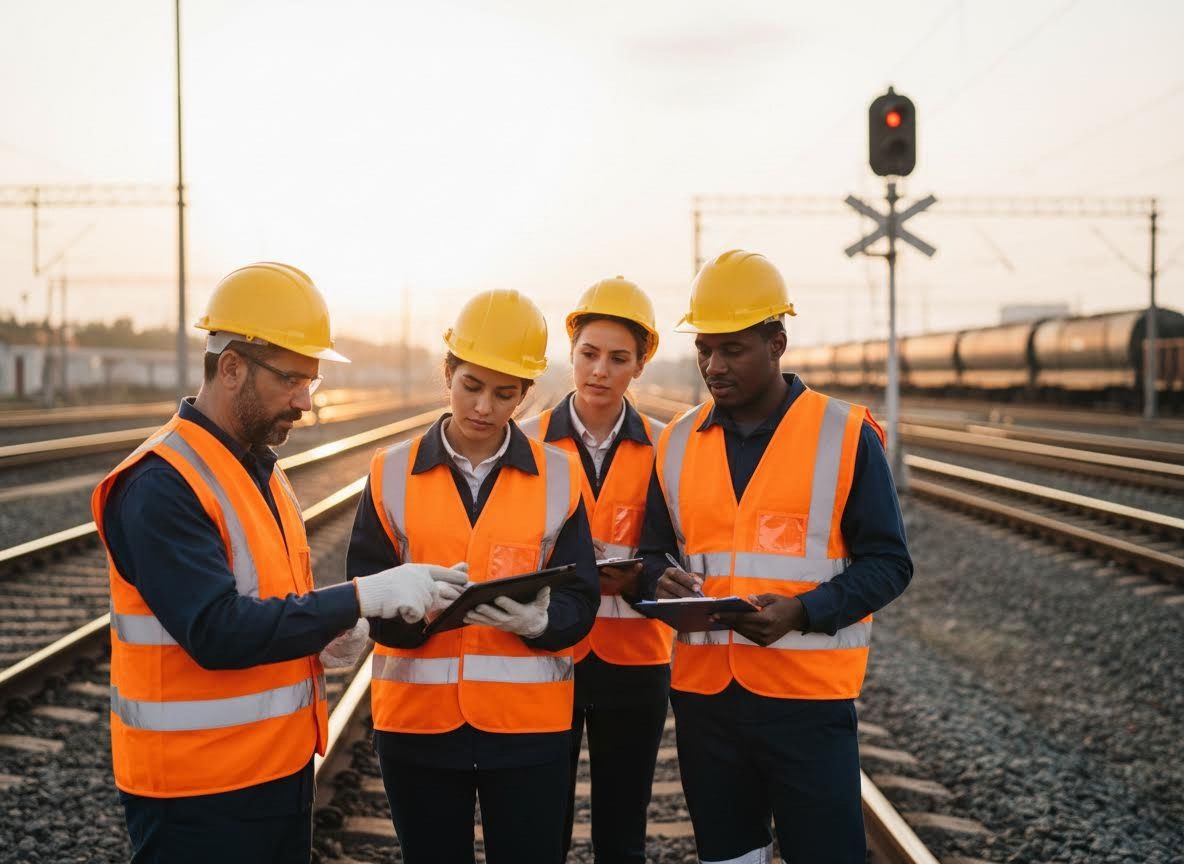
The complex environment of rail operations demands a proactive approach to safety, where specialized training acts as the cornerstone for efficiency and risk mitigation. Ensuring that every team member, from track workers to operational managers, possesses the most current knowledge and skills is paramount for preventing incidents and upholding industry standards. This dedication to expertise is precisely where organizations like Regional Railroad Safety Services play a crucial role, providing the tailored educational programs needed to elevate operational performance.
The Critical Role of Specialized Knowledge in Rail Environments
The backbone of any successful rail operation is unwavering commitment to railroad safety. Generic safety guidelines, while important, often fall short in addressing the unique challenges presented by the railway environment. Specialized training delves into the intricate details of rail infrastructure, equipment, and operational procedures, ensuring that personnel are not just aware of risks but are also highly skilled in mitigating them. This advanced knowledge equips teams to identify potential hazards before they escalate, react effectively in emergencies, and consistently adhere to regulatory mandates.
Enhancing Operational Security Through Advanced Training
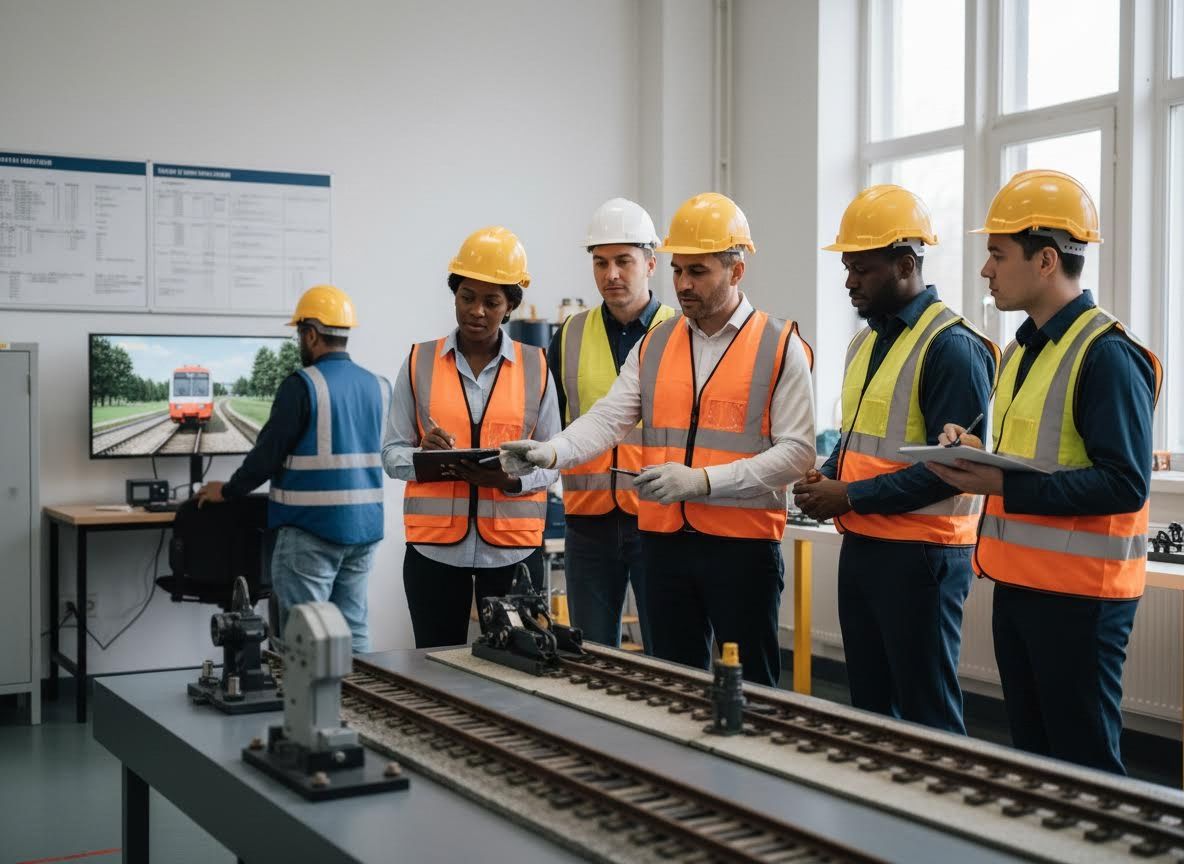
Investing in thorough training on track safety is not just a regulatory requirement, but a strategic imperative. Such programs cover everything from proper equipment handling and maintenance to understanding track signaling systems and emergency response protocols. Crucial areas such as railroad crossing safety require precise and consistent training to protect both railway personnel and the public. By simulating real-world scenarios and emphasizing best practices, specialized training significantly reduces the likelihood of accidents and operational disruptions, fostering a safer working environment and enhancing overall service reliability.
Mitigating Financial Risks with Comprehensive Safety Programs
Beyond the direct impact on safety, a robust training regimen has substantial financial implications. Reduced incidents mean fewer costly repairs, less downtime, and a lower chance of litigation. A strong safety record, bolstered by comprehensive training, can also positively impact aspects like OCIP insurance considerations for large projects, potentially leading to more favorable terms. Companies that prioritize continuous, specialized safety education demonstrate a commitment to risk management that is recognized by insurance providers and project stakeholders alike, contributing to long-term financial stability and project success.
Conclusion
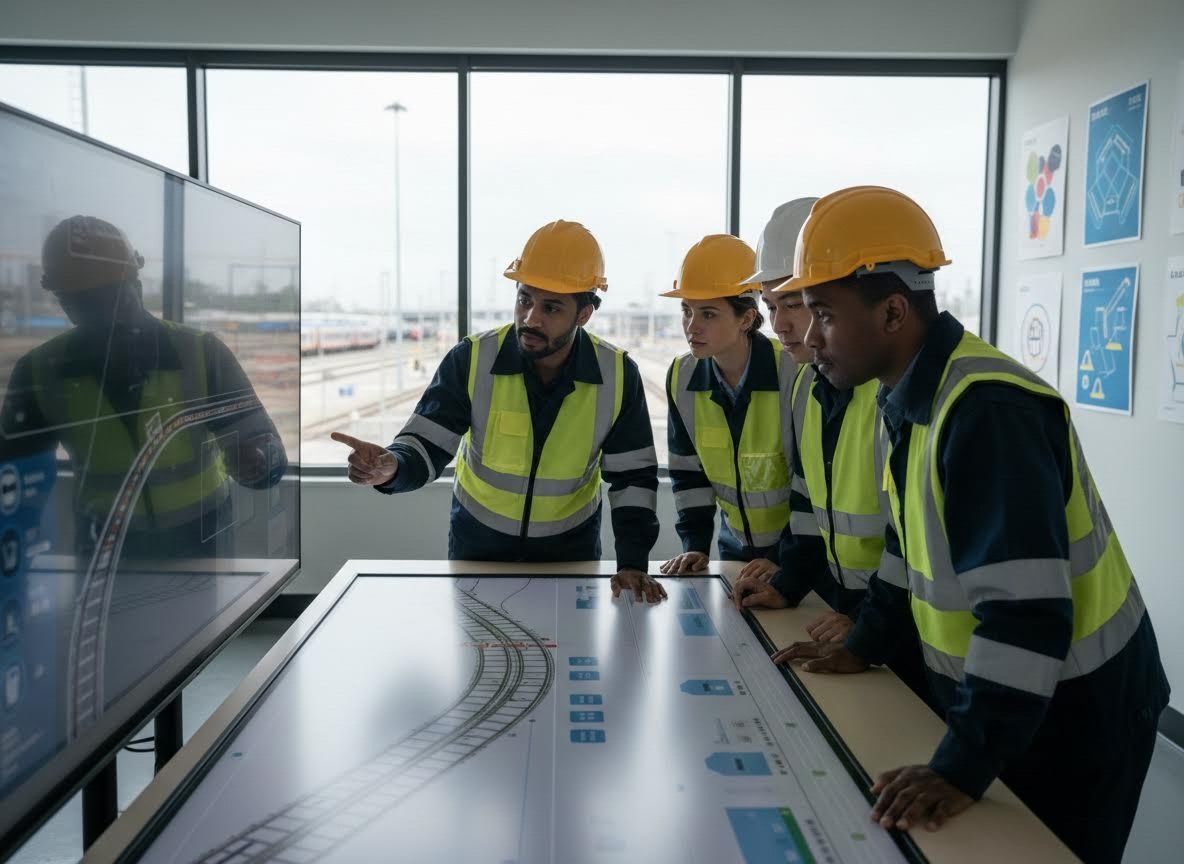
Elevating the standards of railroad safety through specialized training is an investment that pays dividends in every aspect of rail operations. From safeguarding personnel and the public to ensuring operational efficiency and mitigating financial risks, tailored educational programs are indispensable. By continually enhancing the skills and knowledge of your workforce, you not only meet compliance requirements but also cultivate a culture of excellence and preparedness. To explore how tailored safety programs can benefit your rail operations, consider reviewing industry best practices and available professional training solutions that align with your specific needs, much like those offered by Regional Railroad Safety Services.