
An effective railroad emergency response plan is crucial for ensuring the safety of personnel, the public, and the environment. Railroad operations, while generally safe, inherently carry risks that necessitate comprehensive planning and preparedness. This blog post will guide you through the essential steps in developing a robust railroad emergency response plan.
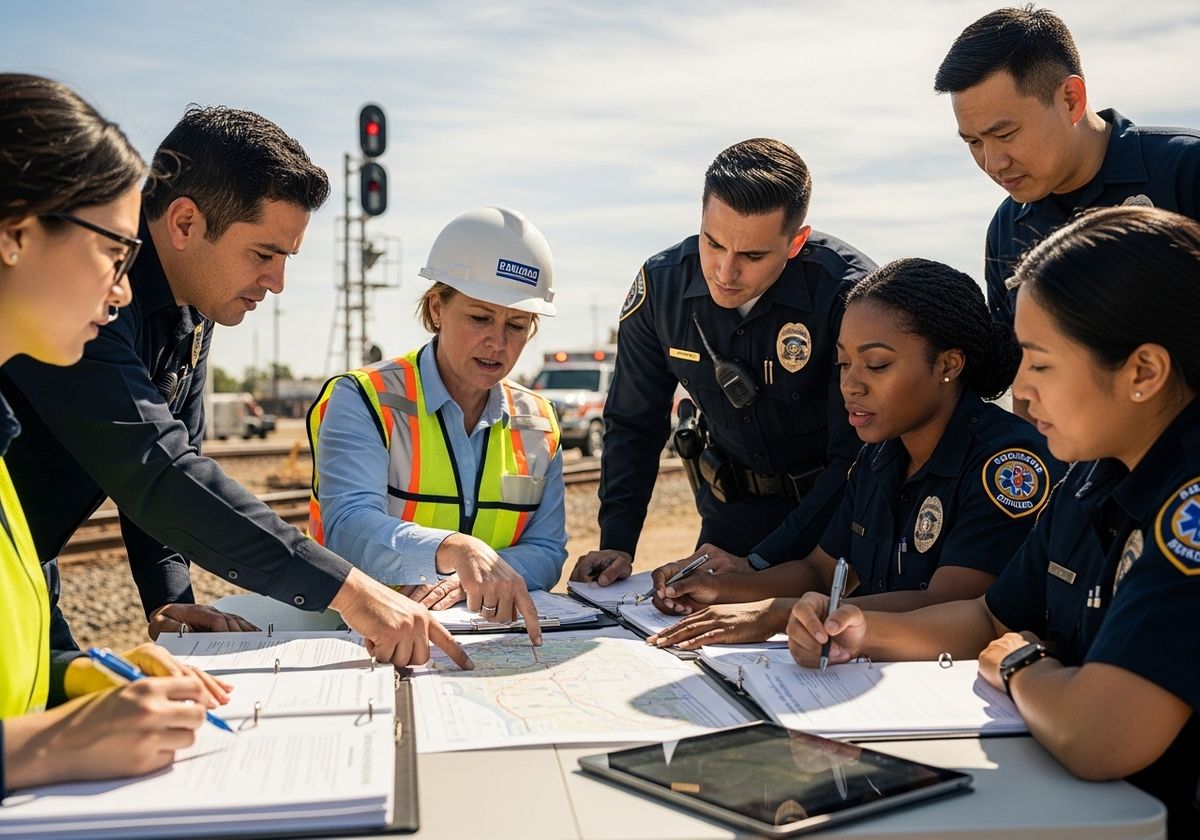
Understanding the Importance of a Railroad Emergency Response Plan
A well-structured emergency response plan does more than just outline procedures; it fosters a culture of safety. It ensures that all stakeholders—from railroad employees to local emergency responders—are aware of potential hazards, know their roles, and are equipped to act decisively in a crisis. This proactive approach minimizes confusion, reduces response times, and ultimately mitigates the impact of any incident.
Key Components of a Railroad Emergency Response Plan
Hazard Assessment: Identify potential hazards specific to your operations. This includes derailments, collisions, hazardous material spills, fires, and severe weather events. Understanding these risks is the first step in preparing for them.
Notification Procedures: Establish clear and efficient communication channels for reporting emergencies. This should include contact information for internal personnel, external emergency services, and relevant regulatory agencies.
Emergency Response Teams: Define the roles and responsibilities of designated emergency response teams. Ensure these teams are adequately trained and equipped to handle various types of incidents. Training should cover topics such as incident command, first aid, hazardous material handling, and fire suppression.
Evacuation Plans: Develop detailed evacuation plans for different scenarios. These plans should include designated evacuation routes, assembly points, and procedures for accounting for all personnel.
Communication Protocols: Implement communication protocols to keep all stakeholders informed throughout the emergency. This includes regular updates to employees, the public, and the media. Consider using multiple communication channels, such as radio, telephone, and email, to ensure that information reaches everyone who needs it.
Resource Management: Identify and secure necessary resources, such as equipment, supplies, and personnel, to support emergency response efforts. This may include agreements with external organizations for mutual aid.
Training and Drills: Conduct regular training exercises and drills to test the effectiveness of the emergency response plan. These exercises should simulate various emergency scenarios and involve all relevant personnel.
Plan Maintenance and Review: Regularly review and update the emergency response plan to ensure it remains relevant and effective. This should include incorporating lessons learned from past incidents and changes in regulations or operating procedures.
Compliance with Federal Railroad Administration Regulations
It's essential to ensure your emergency response plan complies with all applicable Federal Railroad Administration regulations. The FRA sets standards for railroad safety, including emergency preparedness. Familiarize yourself with these regulations and incorporate them into your plan. Key areas covered by FRA regulations include:
Railroad safety
Railroad safety training
Emergency communication
Hazardous materials handling

The Role of the Railroad Flagger in Emergency Response
The railroad flagger plays a vital role in ensuring safety during emergencies. Their responsibilities include:
Providing early warning of approaching trains
Protecting work crews and equipment
Ensuring compliance with railroad safety rules
Communicating effectively with train crews and other personnel
Conclusion
Creating a comprehensive railroad emergency response plan is not just a regulatory requirement; it's a critical investment in safety and operational resilience. By understanding the key components of such a plan, complying with federal regulations, and recognizing the crucial role of personnel like the railroad flagger, organizations can significantly enhance their ability to respond effectively to emergencies. Regional Railroad Safety Services is committed to assisting higher education institutions with comprehensive railroad safety solutions, including tailored emergency response planning. Contact us today to learn more about how we can support your railroad safety training needs or explore our resources on federal railroad administration regulations.