Modernizing your railroad safety training program is essential for ensuring the safety of your employees and the public. With evolving technologies, updated federal railroad administration regulations, and new best practices, keeping your training current is crucial. Outdated training can lead to accidents, injuries, and even fatalities. Here's how to modernize your railroad safety training program and create a safer work environment.
Conduct a Thorough Needs Assessment
Start by evaluating your current training program. Identify gaps in knowledge and skills, and determine areas where improvements are needed. Consider feedback from employees and supervisors to gain a comprehensive understanding of the program's strengths and weaknesses. A needs assessment will help you tailor your modernized training program to address specific challenges and requirements.
Incorporate Technology
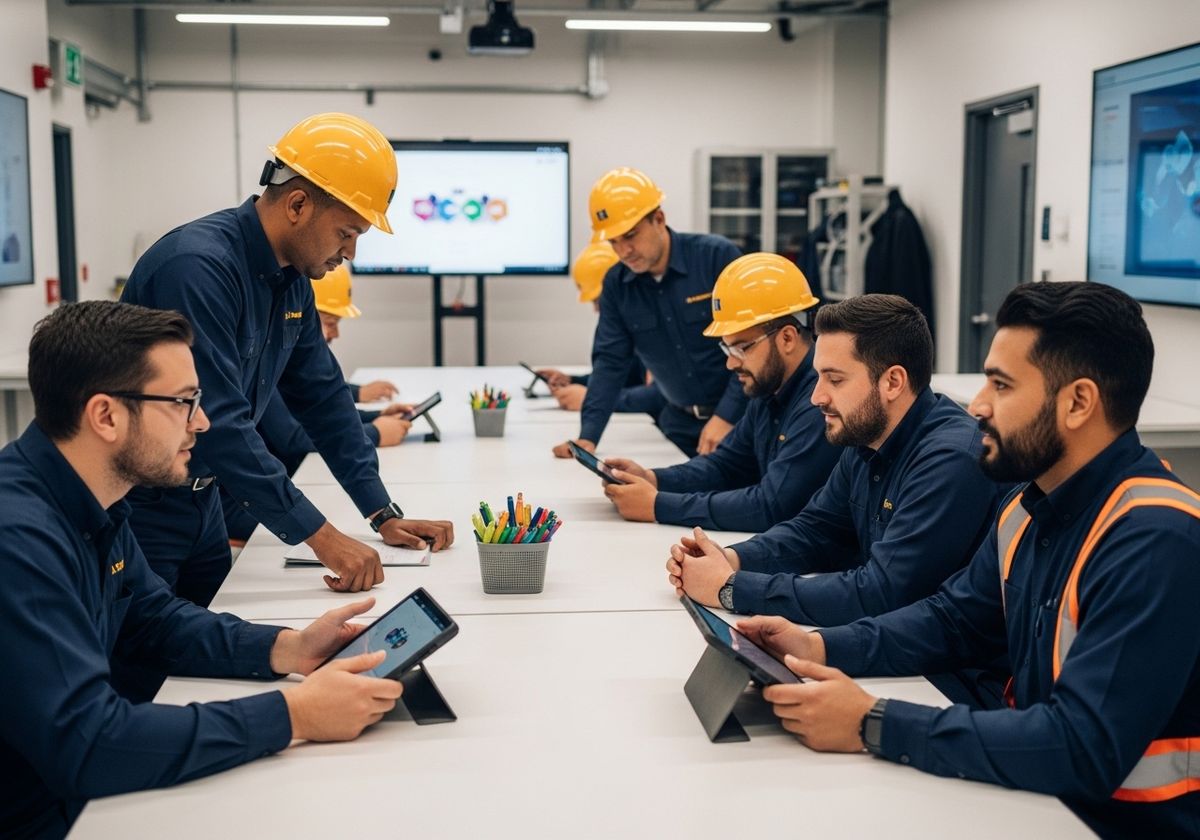
Technology can play a significant role in modernizing your railroad safety training. Consider using online learning platforms, virtual reality (VR) simulations, and mobile apps to deliver training content. These tools can provide engaging and interactive learning experiences, making it easier for employees to retain information. VR simulations, in particular, can be valuable for training on high-risk tasks, such as working as a railroad flagger or responding to emergencies.
Update Content to Reflect Current Regulations and Best Practices
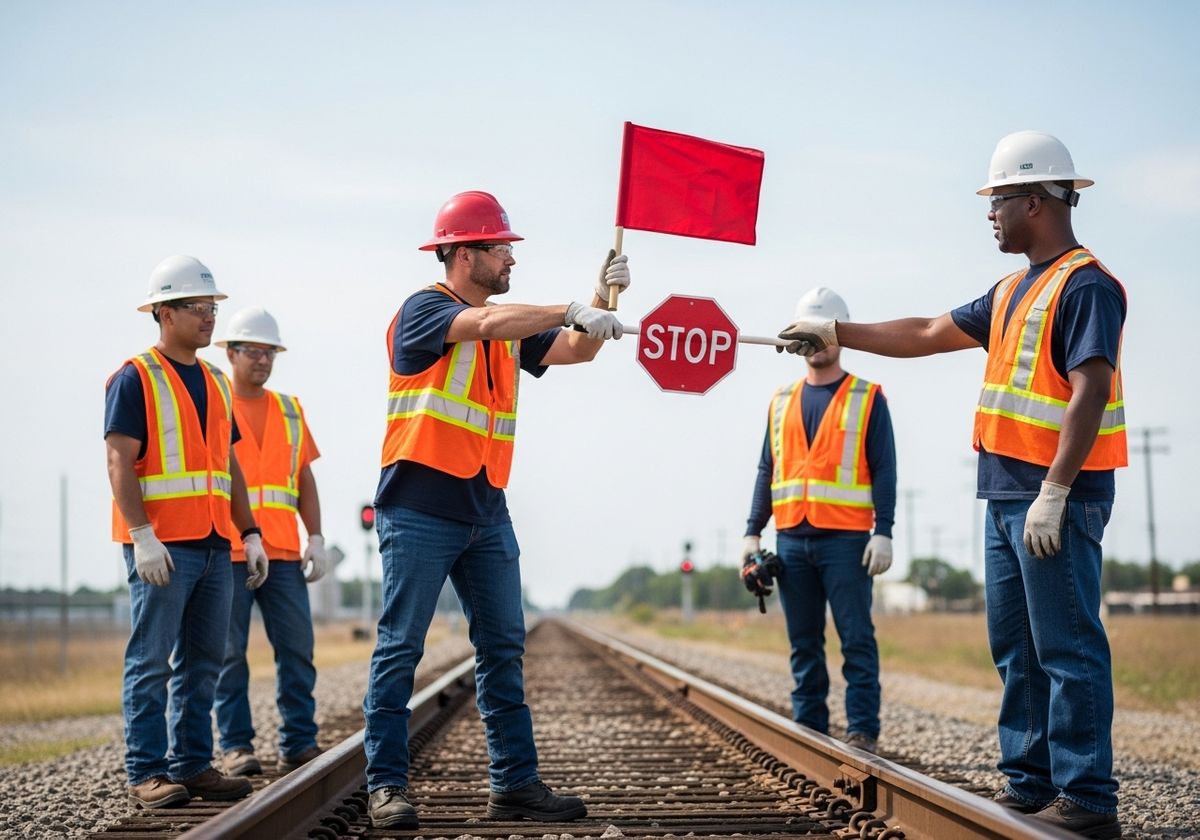
Ensure that your training content is up-to-date with the latest Federal Railroad Administration regulations and industry best practices. Regularly review and revise your training materials to reflect any changes. This will help your employees stay informed and compliant with the most current safety standards. This includes, but is not limited to, content and regulations regarding railroad safety, railroad safety training, and railroad flagger duties and responsibilities.
Emphasize Practical Skills
While theoretical knowledge is important, practical skills are essential for ensuring railroad safety. Incorporate hands-on training exercises, simulations, and real-world scenarios into your training program. This will allow employees to apply their knowledge and develop the skills they need to perform their jobs safely and effectively.
Foster a Safety Culture
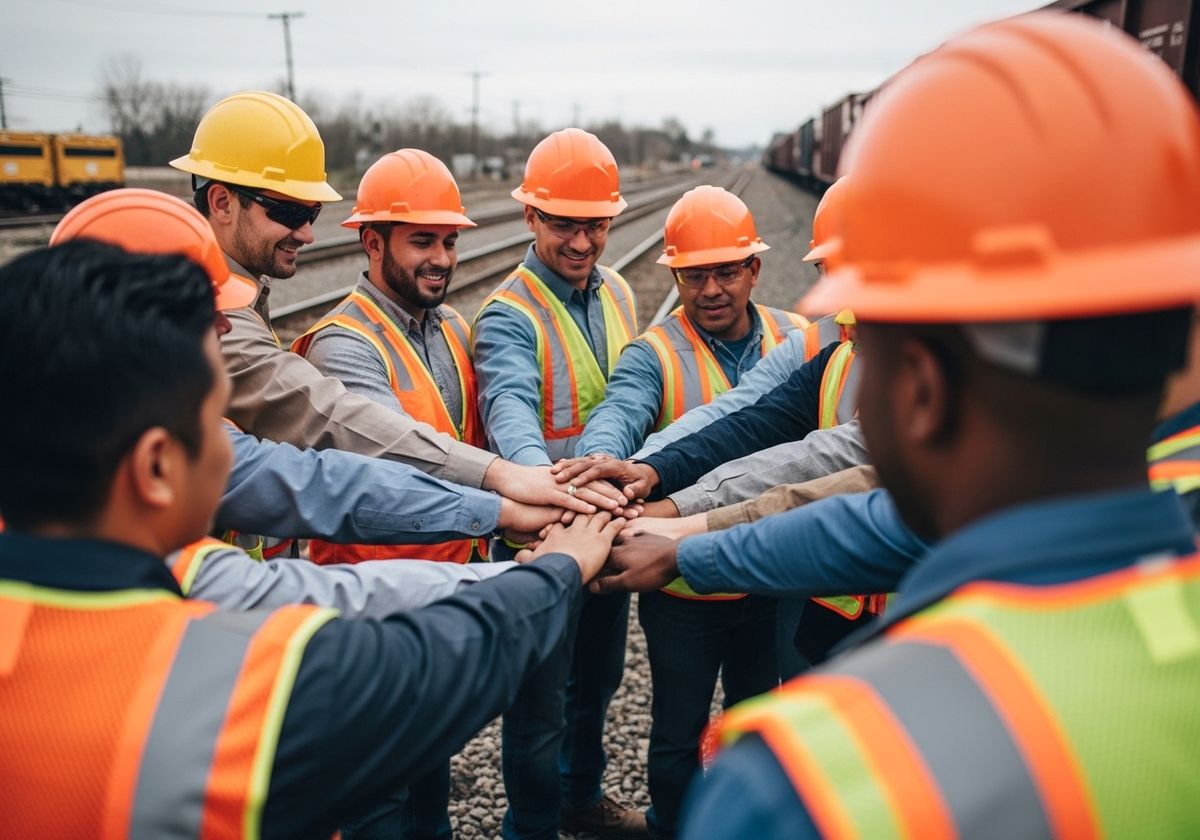
Creating a safety culture is crucial for preventing accidents and injuries. Encourage open communication, provide regular feedback, and recognize employees who demonstrate a commitment to safety. A strong safety culture will reinforce the importance of following safety procedures and promote a sense of shared responsibility for maintaining a safe work environment.
Modernizing your railroad safety training program is an investment in the well-being of your employees and the success of your organization. By conducting a needs assessment, incorporating technology, updating content, emphasizing practical skills, and fostering a safety culture, you can create a training program that is effective, engaging, and relevant. At Regional Railroad Safety Services, we understand the importance of comprehensive and up-to-date training. Contact us today to learn more about our higher education training programs and how we can help you improve your railroad safety practices.