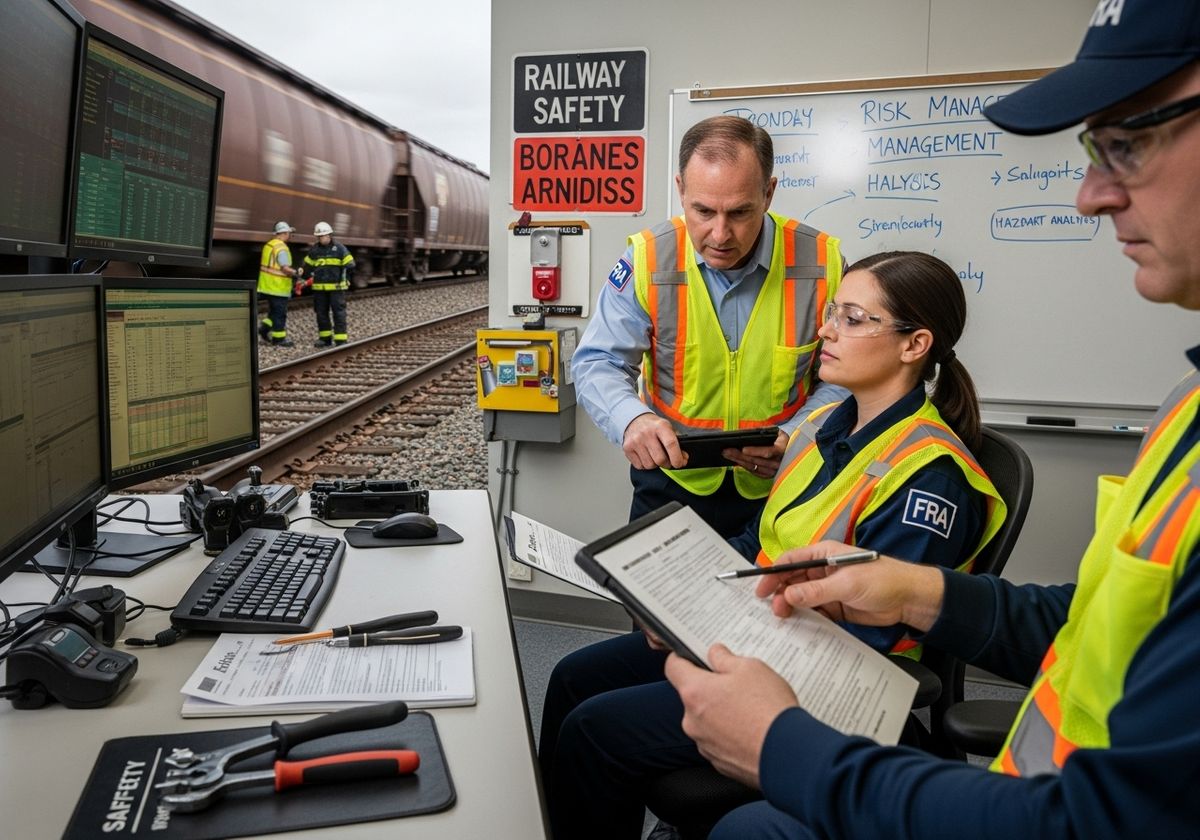
Navigating the complexities of railroad operations requires a steadfast commitment to safety. A critical aspect of ensuring this safety is preparing for Federal Railroad Administration (FRA) safety audits. These audits are thorough evaluations of a railroad's compliance with federal railroad administration regulations and its own safety programs. Proper preparation is essential for a smooth audit and, more importantly, for maintaining a safe operating environment.

Understanding FRA Regulations
The foundation of any successful FRA audit preparation is a deep understanding of the applicable federal railroad administration regulations. These regulations cover a wide range of topics, including track safety standards, equipment maintenance, operating practices, and qualifications of employees. Make sure to regularly review and update your knowledge of these regulations to stay compliant.
Comprehensive Documentation
Auditors will want to see detailed records of your safety programs, inspections, training, and any incidents. Maintain accurate and up-to-date documentation. This includes records of:
Inspections: Track, equipment, and facility inspection logs.
Training: Rail safety training records for all employees.
Maintenance: Maintenance and repair records for all equipment and infrastructure.
Incidents: Reports and investigations of any accidents or incidents.

Robust Safety Programs
Demonstrate that you have comprehensive safety programs in place and that they are actively implemented. These programs should address:
Hazard Analysis: Identifying and mitigating potential hazards.
Risk Management: Assessing and controlling risks.
Emergency Response: Procedures for responding to accidents and incidents.
Employee Training and Qualifications
Ensure that all employees are properly trained and qualified for their roles. Maintain records of their training, certifications, and any required qualifications. Training should cover not only the technical aspects of their jobs but also railroad rules and safety procedures.

The Role of OCIP Insurance
While not directly related to FRA compliance, understanding your insurance coverage, particularly Ocip insurance, is important. OCIP insurance can provide financial protection in the event of accidents or incidents. Be sure to review your policy and understand its coverage and limitations.
Mock Audits
Consider conducting mock audits to identify any potential weaknesses in your safety programs or documentation. This will give you an opportunity to address any issues before the actual FRA audit.
Conclusion
Preparing for an FRA safety audit requires a comprehensive approach that includes understanding regulations, maintaining thorough documentation, implementing robust safety programs, and ensuring employee training. By prioritizing these areas, you can not only ensure a successful audit but also create a safer operating environment for your railroad. Regional Railroad Safety Services provides expert guidance and support to help you navigate the complexities of railroad safety and regulatory compliance. Contact us today to learn more about our rail safety training programs and how we can help you prepare for your next FRA audit. Or, explore our website to learn about our specialized safety solutions!