Navigating the complex landscape of railroad regulations can be challenging, especially in a bustling region like North Texas. Ensuring your crew is well-versed in the latest federal requirements and safety protocols is not just a matter of compliance; it's a commitment to the safety of your employees and the public.
Understanding Federal Railroad Administration Regulations
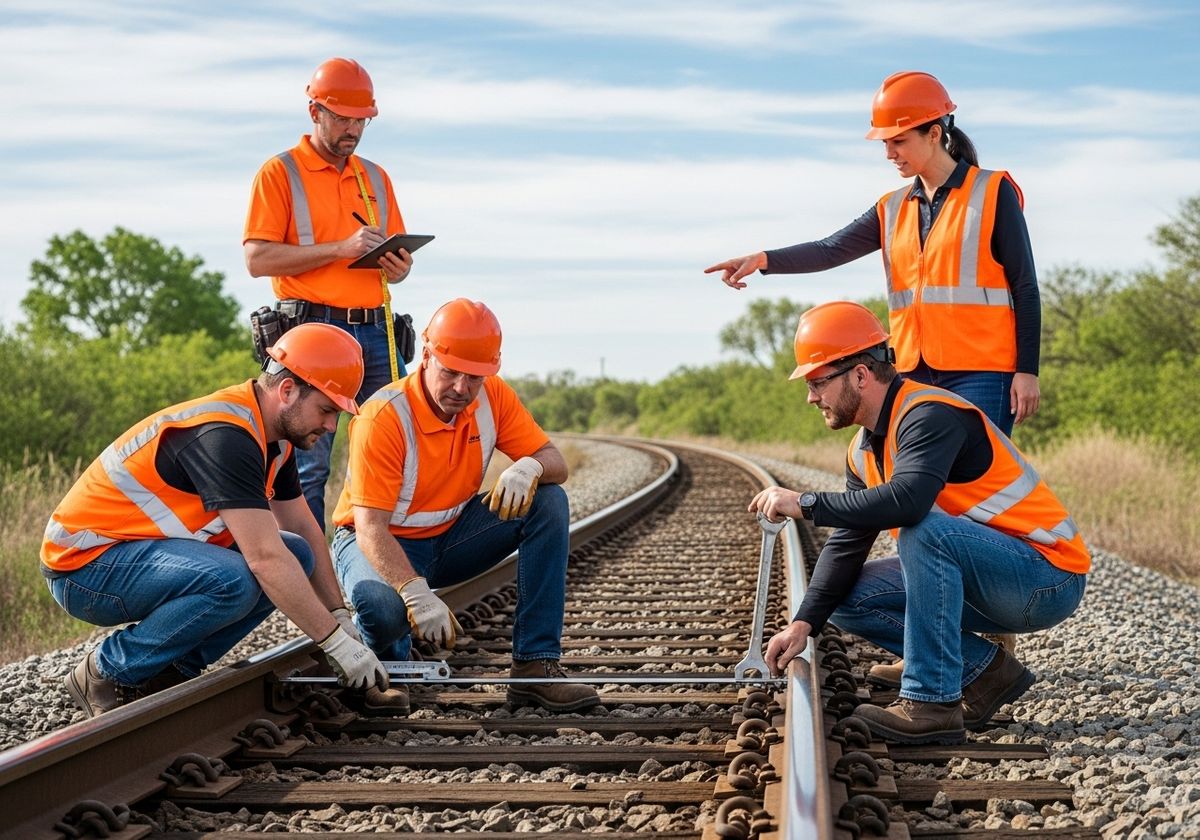
The Federal Railroad Administration (FRA) sets the standard for railroad safety across the United States. These regulations cover a wide array of topics, including track maintenance, equipment standards, and operational procedures. Staying up-to-date with these regulations is crucial for avoiding penalties and, more importantly, preventing accidents. Regular training and diligent record-keeping are essential components of compliance.
The Importance of Railroad Safety Training
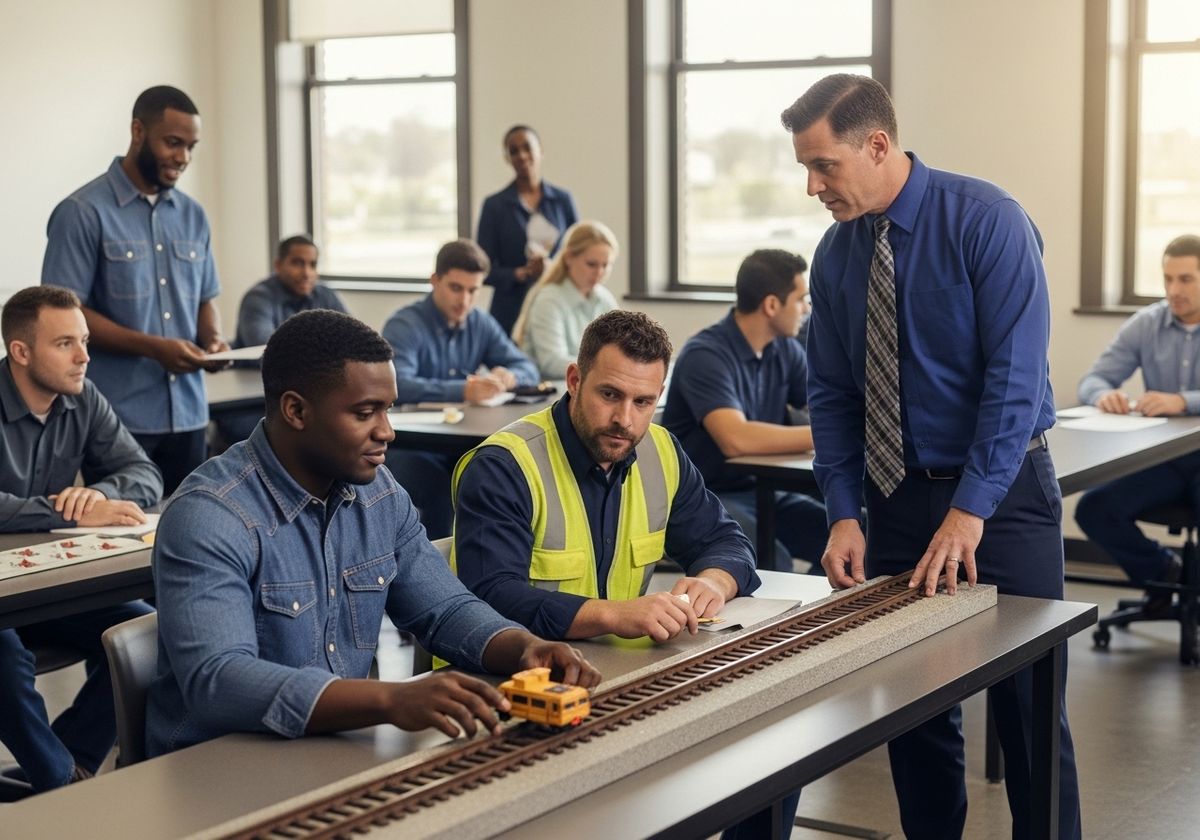
Comprehensive railroad safety training is the cornerstone of a safe and efficient operation. Training programs should cover everything from basic safety rules to emergency response procedures. Key areas of focus include:
FRA Compliance: Ensuring all employees understand and adhere to federal regulations.
Hazard Recognition: Training crews to identify and mitigate potential hazards on the tracks.
Emergency Procedures: Equipping employees with the knowledge and skills to respond effectively in emergency situations.
Proper Use of Equipment: Teaching the correct and safe operation of all equipment.
The Role of the Railroad Flagger
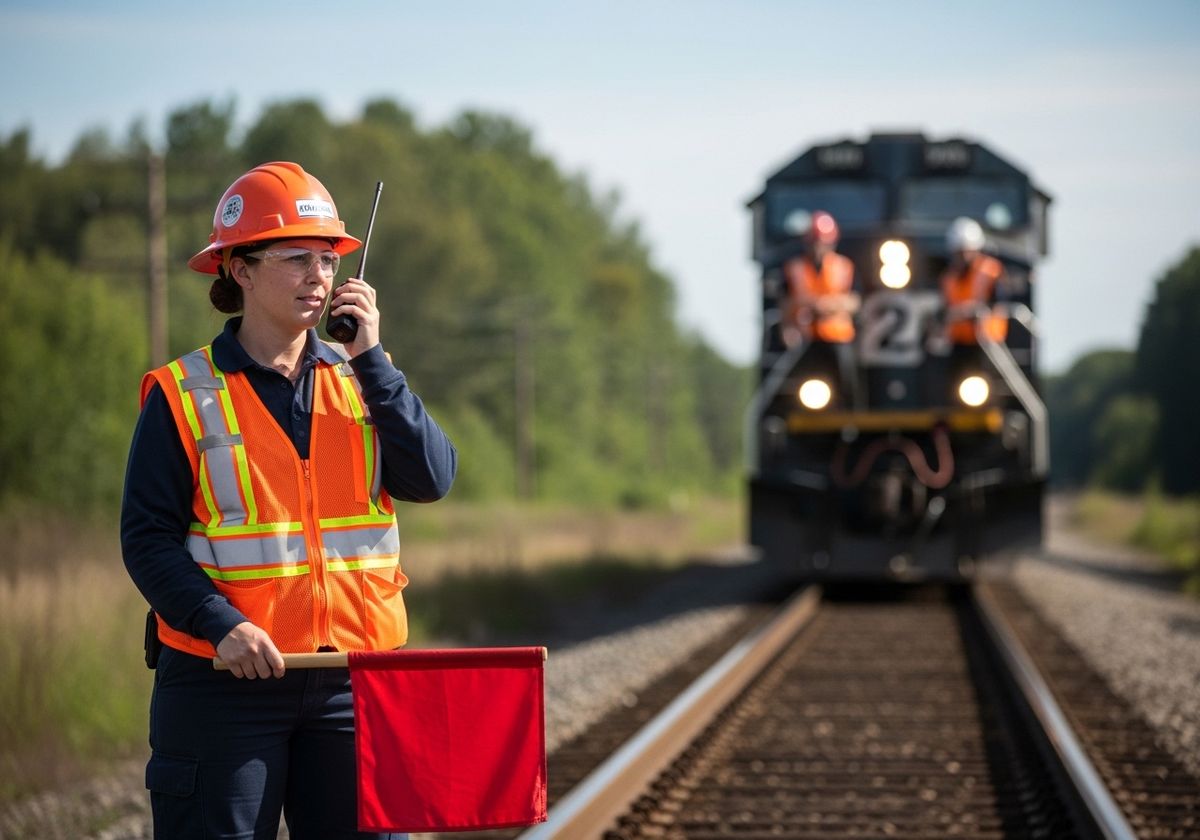
The railroad flagger plays a vital role in ensuring the safety of workers and equipment on or near railroad tracks. A properly trained railroad flagger is responsible for:
Providing warning and protection for workers and equipment.
Understanding and adhering to flagging rules and procedures.
Communicating effectively with train crews and other personnel.
Maintaining a safe work zone.
Why Invest in Comprehensive Training?
Investing in comprehensive railroad safety training offers numerous benefits, including:
Reduced Accidents and Injuries: Well-trained employees are less likely to be involved in accidents, reducing the risk of injuries and fatalities.
Improved Compliance: Thorough training ensures that employees understand and adhere to FRA regulations, minimizing the risk of penalties.
Increased Efficiency: A safe and well-trained workforce is a more efficient workforce, leading to increased productivity and profitability.
Enhanced Reputation: A commitment to safety enhances your company's reputation, attracting and retaining both employees and customers.
In conclusion, staying ahead of North Texas rail regulations requires a proactive approach to railroad safety training. By prioritizing FRA compliance, hazard recognition, and emergency procedures, you can create a safer and more efficient work environment. Regional Railroad Safety Services is dedicated to providing high-quality training solutions that meet the unique needs of the higher education industry. Contact us today to learn more about our comprehensive training programs and how we can help you ensure the safety of your crew. Contact us to discuss a custom solution for your team.