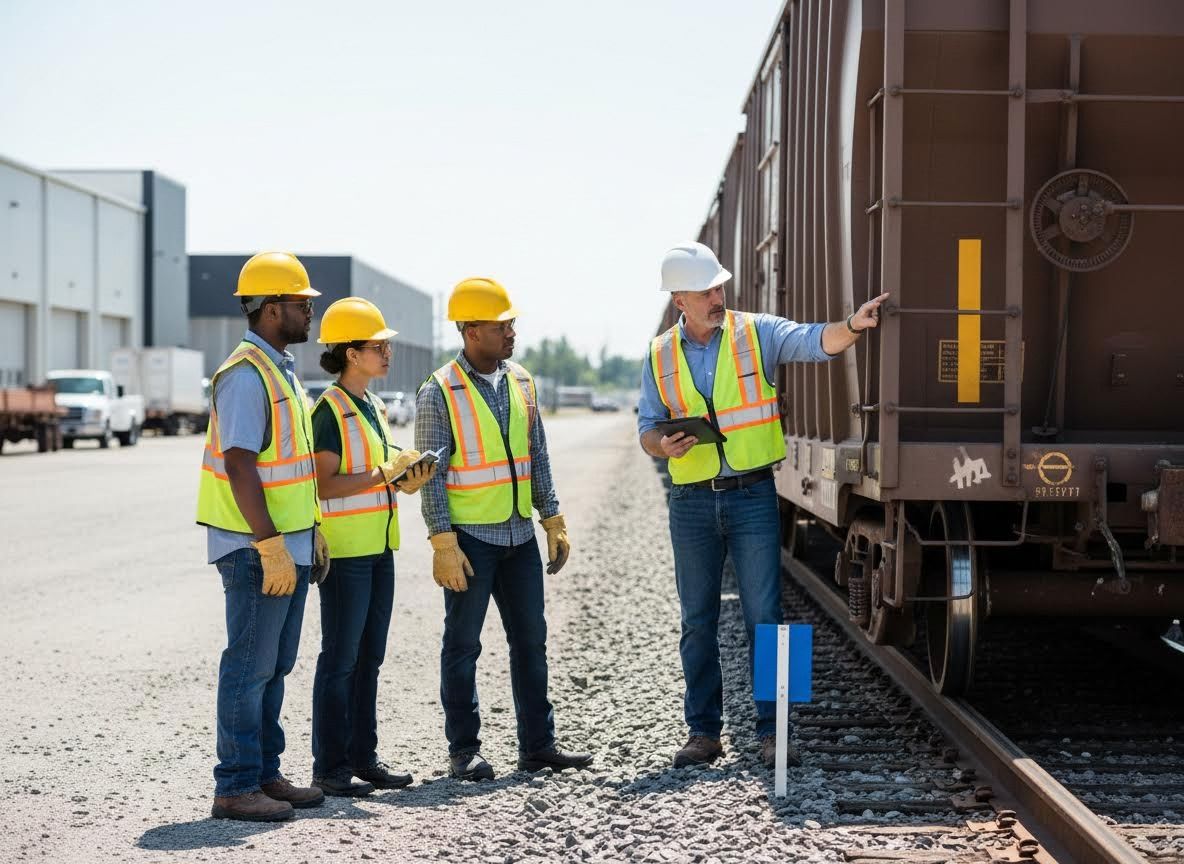
Ensuring the safety of industrial spur tracks is paramount for any business operating near or on rail lines. These critical extensions of the main railroad system are vital for logistics, but they also present unique hazards that demand constant vigilance and well-structured safety protocols. At Regional Railroad Safety Services, we understand that maintaining high standards in this area is not just about compliance, but about protecting personnel, equipment, and operations. This begs the crucial question: Is your industrial spur track safety training truly up to code?
The Foundation of Operational Excellence
Effective industrial spur track safety is built upon a foundation of ongoing education and awareness. Without proper training, even the most robust safety systems can falter. Employees who work in and around these tracks need to be fully conversant with the specific risks involved, from moving railcars to understanding clearances and securement procedures. Comprehensive programs reduce the likelihood of accidents, minimize operational disruptions, and foster a culture where railroad safety is a top priority. Regular refreshers and updates are essential to keep personnel informed about new regulations, technologies, and best practices.
Essential Components of Robust Safety Training
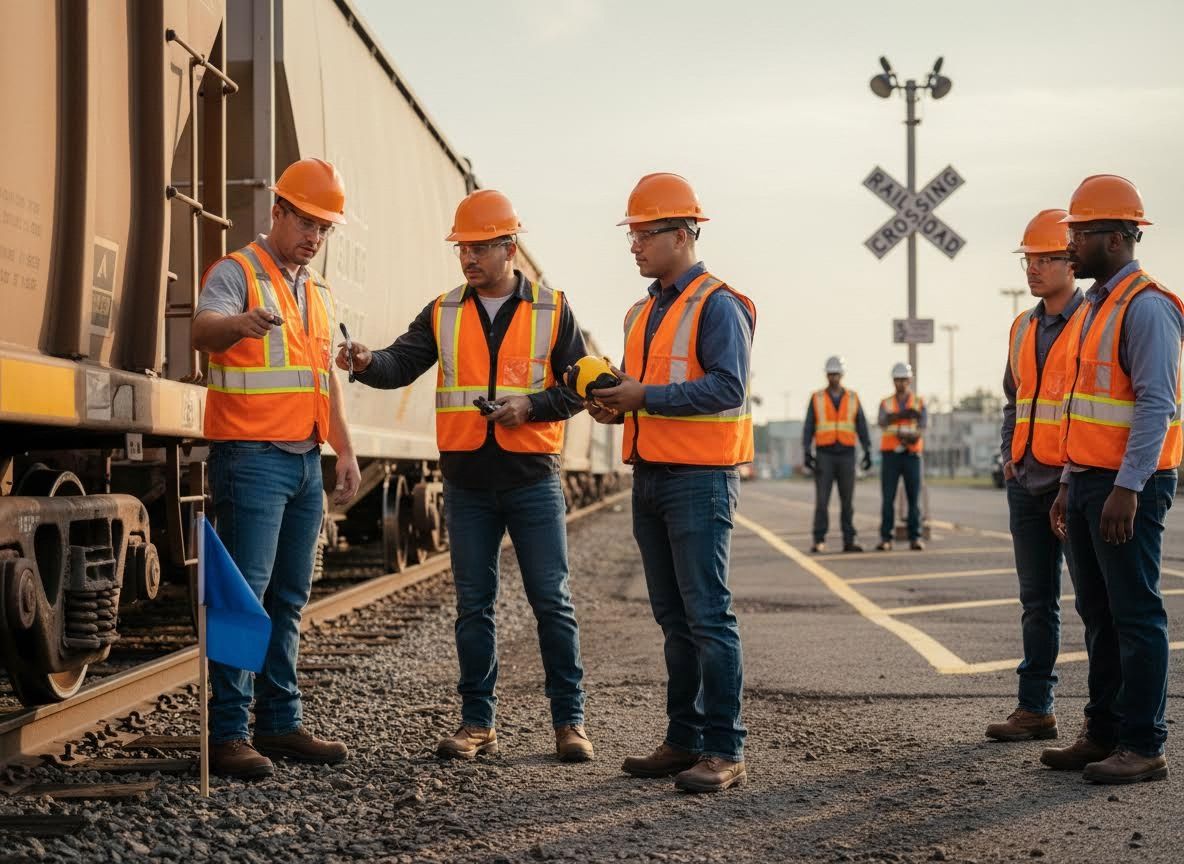
A truly effective training on track safety program for industrial spur tracks covers a broad spectrum of critical areas. This includes detailed instruction on proper railcar handling, coupling and uncoupling, securing equipment, and understanding blue flag protection. Furthermore, specific attention must be paid to crossing safety at points where tracks intersect with roadways or pedestrian paths within the industrial facility. Training should also encompass emergency procedures, hazard identification, and the proper use of personal protective equipment. Practical, hands-on exercises, alongside theoretical learning, are invaluable for reinforcing these vital lessons and ensuring personnel are prepared for real-world scenarios.
Navigating Compliance and Mitigating Risk
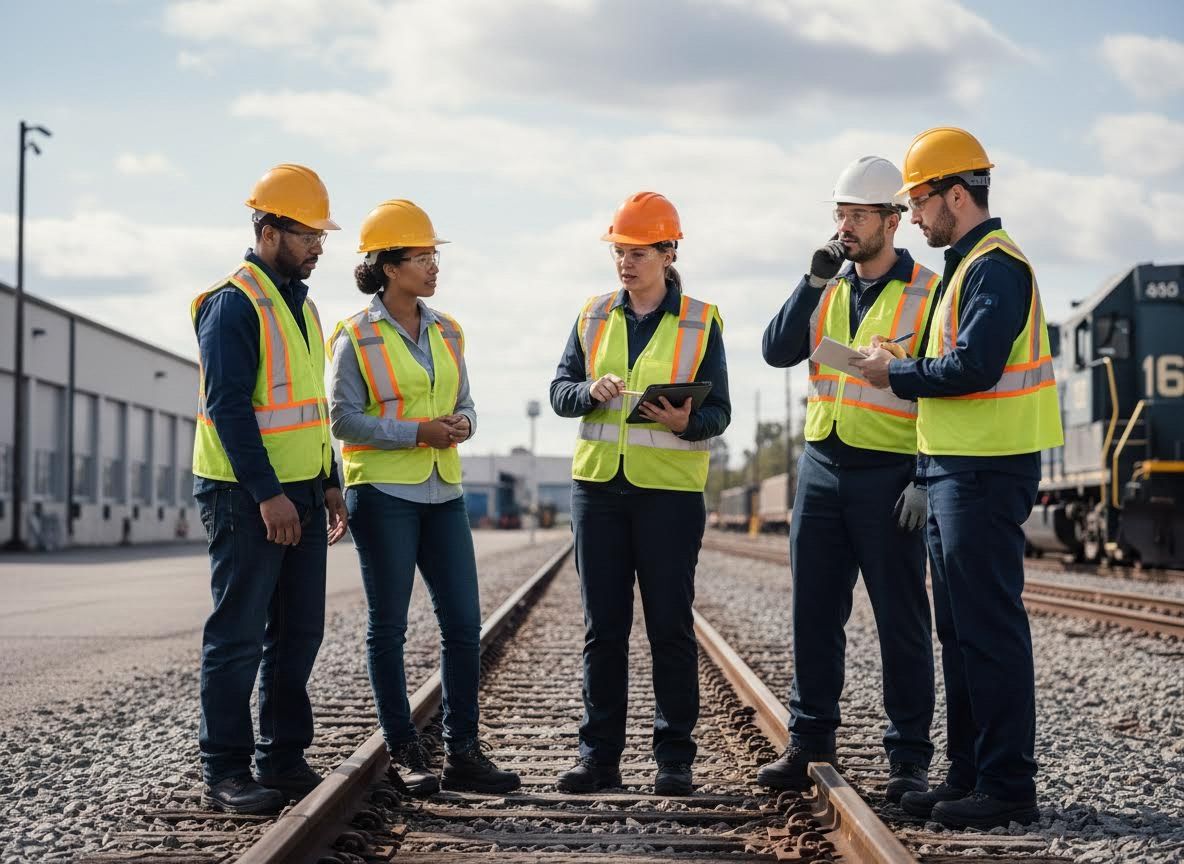
Adhering to regulatory standards for industrial spur track operations is not optional; it is a fundamental requirement. Non-compliance can lead to severe penalties, operational shutdowns, and significant liability in the event of an incident. Understanding and implementing measures that meet or exceed federal and local railroad safety guidelines is crucial. Moreover, robust safety practices can positively impact insurance considerations, such as ocip insurance (Owner Controlled Insurance Programs), which often look favorably upon companies demonstrating proactive risk management. Investing in superior safety training is a strategic move that protects both your workforce and your bottom line from potential legal and financial repercussions.
Ensuring your industrial spur track safety training is current and comprehensive is not merely a box to check; it is an ongoing commitment to operational integrity and employee well-being. By continuously evaluating and enhancing your safety programs, you safeguard against preventable incidents and reinforce a culture of preparedness. Regional Railroad Safety Services offers expertise to help you assess and elevate your current safety protocols. To explore how you can further strengthen your industrial rail safety practices and ensure full compliance, consider reviewing industry best practices and available resources.