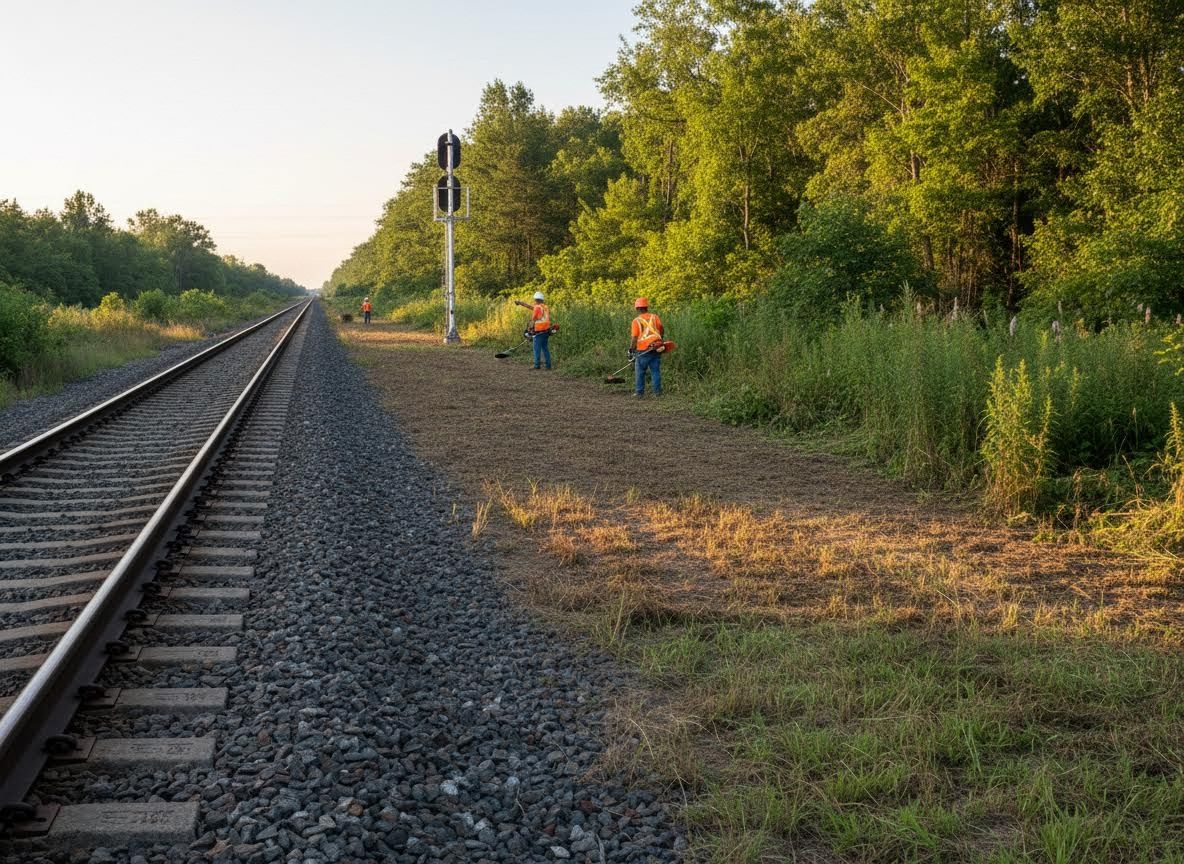
Right-of-way safety is a paramount concern for any organization operating critical infrastructure, especially within the railroad industry. Unmanaged vegetation along railway lines can pose significant risks, from impeding visibility to creating structural hazards. Implementing effective vegetation management services is not merely about aesthetics; it's a fundamental component of maintaining a secure and efficient operational environment. Regional Railroad Safety Services understands these challenges and the vital role strategic vegetation control plays in overall operational integrity.
Understanding the Hazards of Unmanaged Vegetation
Vegetation along railroad corridors might seem harmless, but it presents numerous dangers that can compromise railroad safety. Overgrown trees and brush can obstruct critical sightlines for engineers, making it difficult to spot obstacles or assess track conditions ahead. Roots can destabilize the track bed, leading to alignment issues or even structural damage. Furthermore, dry vegetation is a significant fire hazard, especially during warmer months, posing risks to nearby communities and infrastructure. Proactive vegetation removal mitigates these threats, ensuring a clear and stable right-of-way.
Direct Impact on Operational Safety
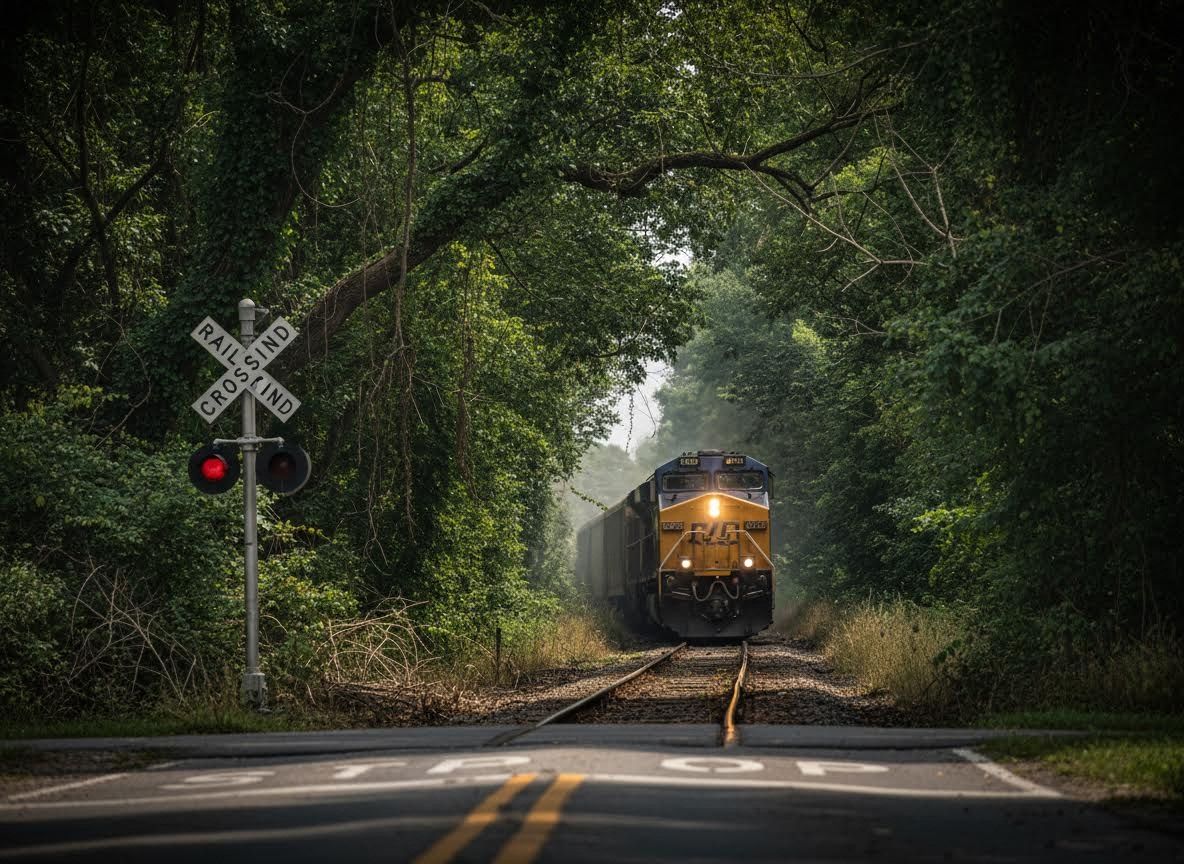
The direct consequences of neglecting vegetation management can be severe, affecting both operations and human safety. At grade crossings, dense foliage can obscure approaching trains, increasing the risk of accidents at crossing safety points. Signals and warning devices can become hidden, compromising communication and response times. Beyond visibility, falling limbs or entire trees can cause derailments, resulting in extensive damage, injuries, and costly delays. Effective management ensures clear zones around tracks, signals, and structures, directly contributing to a safer operating environment for all.
Enhancing Worker and Public Protection
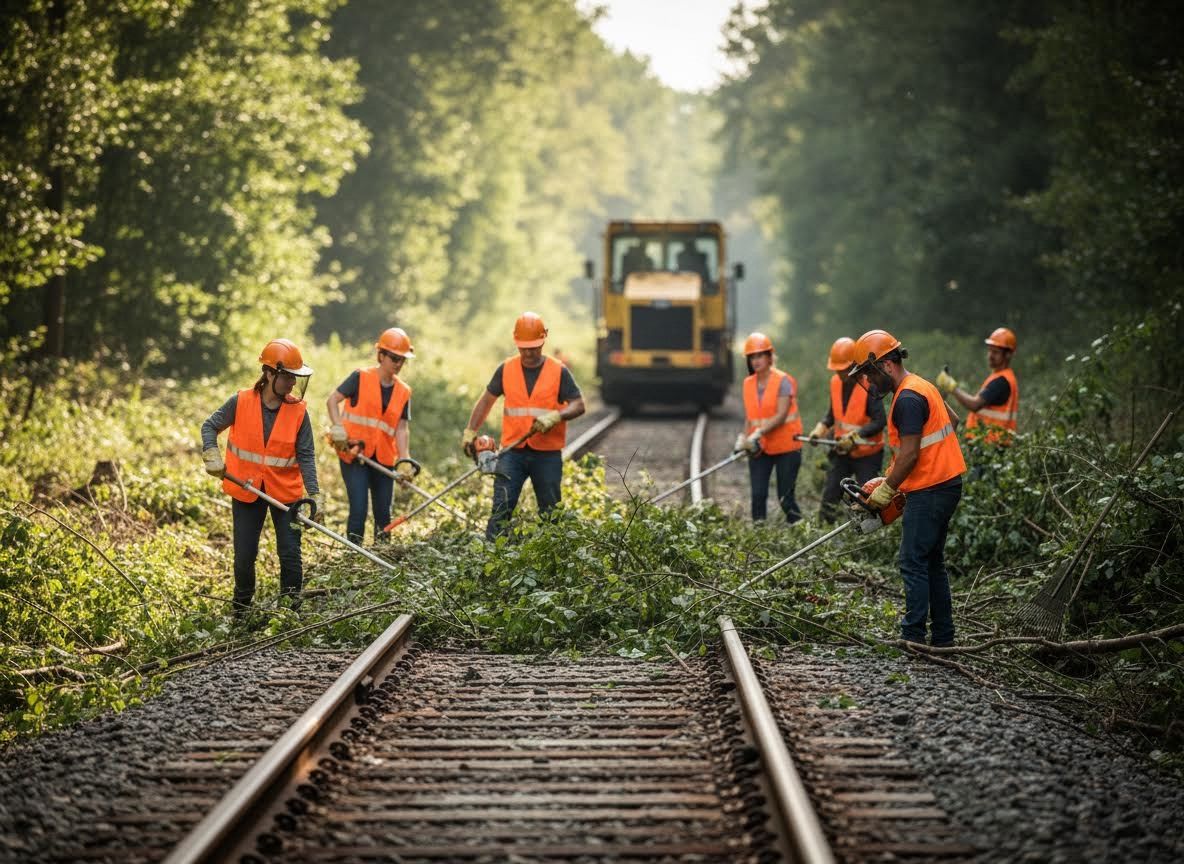
A clear right-of-way is essential for the safety of railroad personnel conducting maintenance or inspections. Workers need unimpeded access and clear visibility to perform their duties safely, free from entanglement hazards or hidden obstacles. Providing robust training on track safety principles is critical, and this training is made more effective when the physical environment supports safe practices. Moreover, by reducing risks such as fires or derailments, vegetation management indirectly protects the public living and working near railroad lines. It's an investment in comprehensive safety for everyone involved.
Mitigating Risk and Ensuring Compliance
Beyond the immediate safety benefits, a well-executed vegetation management program offers crucial operational and financial advantages. It helps companies comply with regulatory standards, avoiding potential fines and legal liabilities associated with unsafe conditions. Furthermore, by preventing incidents, it reduces the likelihood of costly repairs, downtime, and insurance claims. Companies often rely on specialized coverage like ocip insurance to protect against project-related risks, but proactive measures like vegetation control are the first line of defense, reducing the very incidents such policies are designed to cover.
Maintaining a clear and safe railroad right-of-way through diligent vegetation management is an indispensable aspect of modern railroad safety. It prevents accidents, protects personnel and the public, and ensures the efficient operation of vital transportation networks. By understanding the multifaceted risks and implementing comprehensive strategies, organizations can significantly enhance their safety profile. For insights into specialized safety solutions that support these efforts, exploring the expertise offered by Regional Railroad Safety Services can provide valuable guidance.