In the complex world of railway operations, safety is paramount. Derailments, while often preventable, can lead to significant consequences, from logistical disruptions to environmental damage, to severe safety hazards. This is why a proactive approach to safety is not just beneficial, but essential for the entire industry. At Regional Railroad Safety Services, we understand the critical importance of identifying and mitigating risks before they escalate, ensuring the integrity and reliability of rail transport infrastructure.
Understanding the Root Causes of Derailments
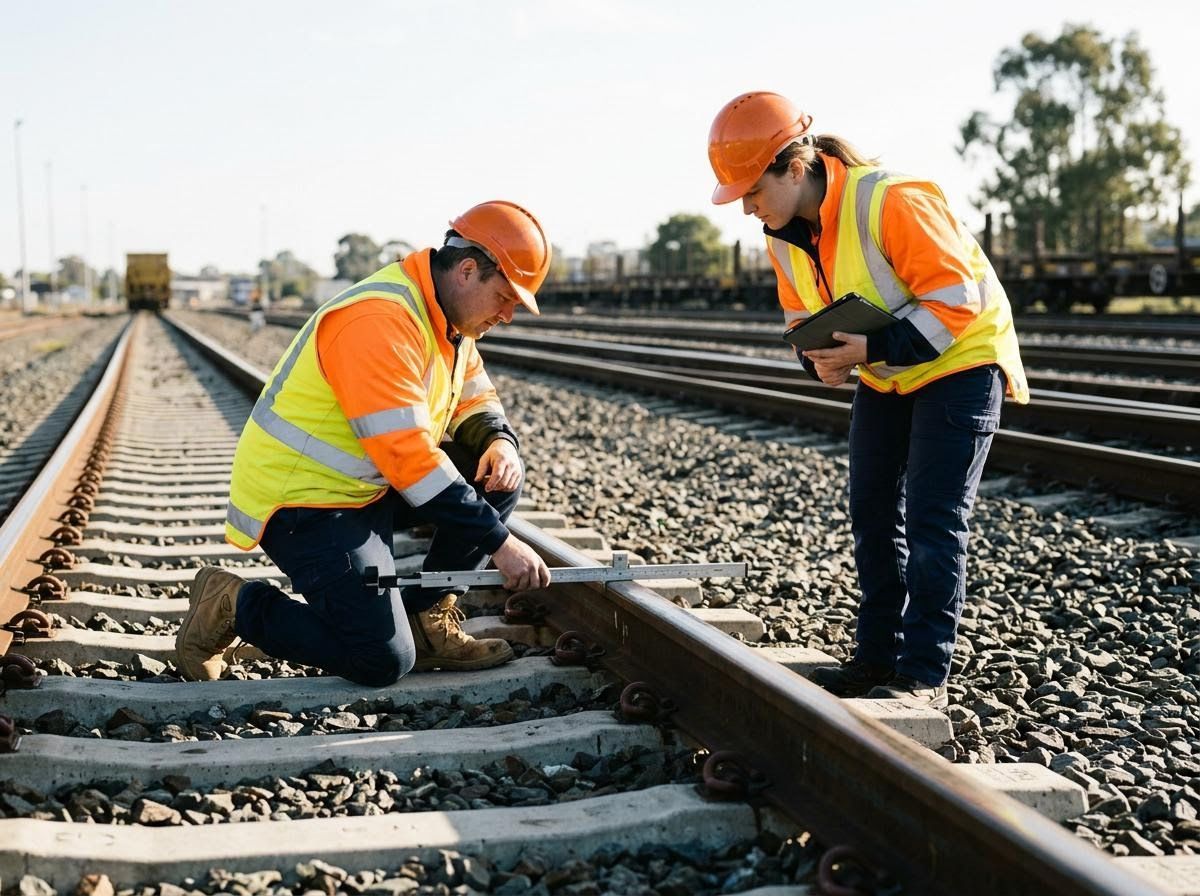
Derailments are multifaceted incidents often resulting from a combination of factors. One primary category involves track-related issues, such as compromised track geometry, worn rails, or defective rail components like ties and fasteners. Another significant contributor is equipment failure, including issues with wheels, axles, bearings, or braking systems on rolling stock. Human error also plays a critical role, ranging from improper train handling and operational errors to inadequate maintenance practices. External factors like extreme weather conditions, trespasser interference, and grade crossing incidents can further complicate the safety landscape, highlighting the need for a comprehensive prevention strategy that addresses all potential vulnerabilities.
Implementing Key Proactive Safety Measures
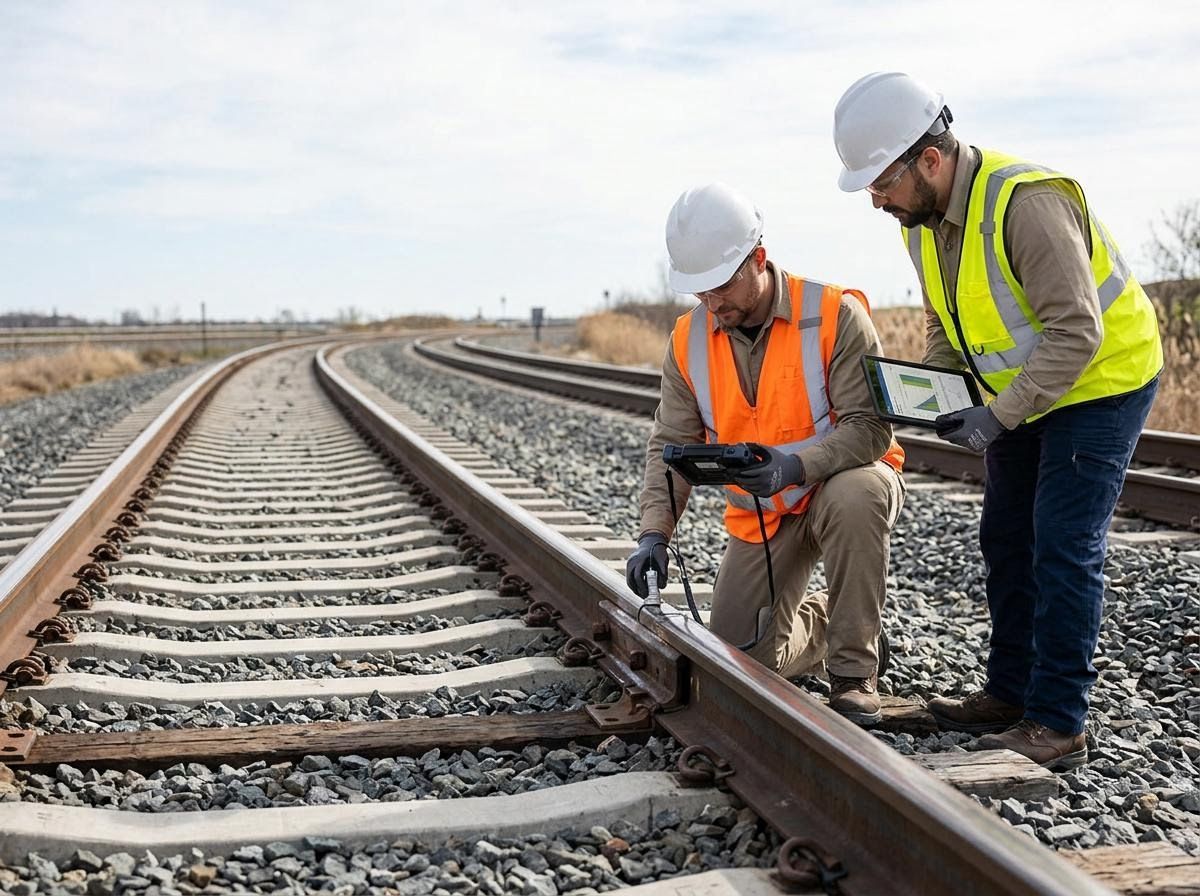
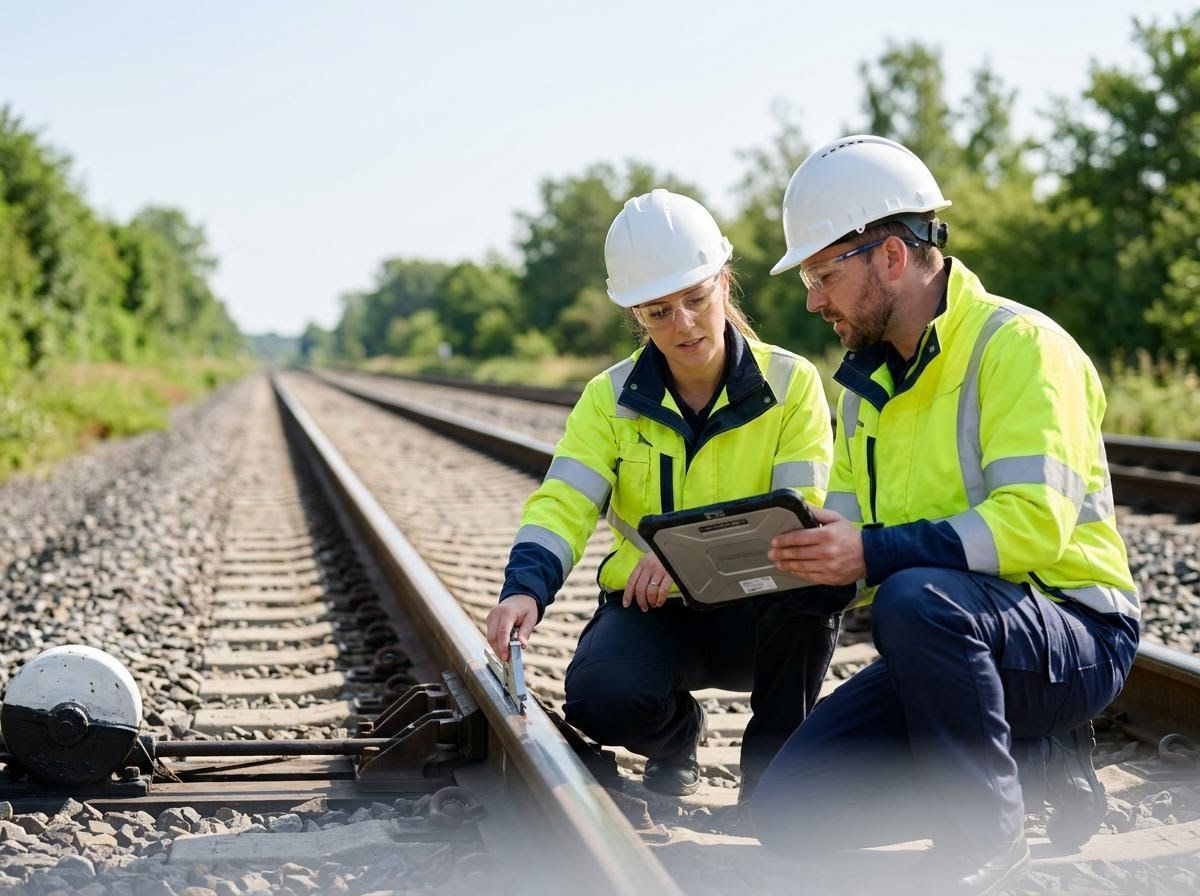
Effective derailment prevention relies heavily on robust proactive measures. Regular and thorough inspections are foundational, utilizing technologies such as ultrasonic testing for internal rail defects, track geometry cars for measuring track alignment, and visual inspections by trained personnel. Advanced monitoring systems, including wayside detectors for hot bearings and dragging equipment, provide real-time alerts to prevent component failures. Comprehensive maintenance programs for both track infrastructure and rolling stock are crucial, ensuring that all components are kept in optimal working condition. These measures, combined with strict adherence to maintenance schedules and quality control, form the backbone of a resilient safety framework.
The Vital Role of Training and Compliance
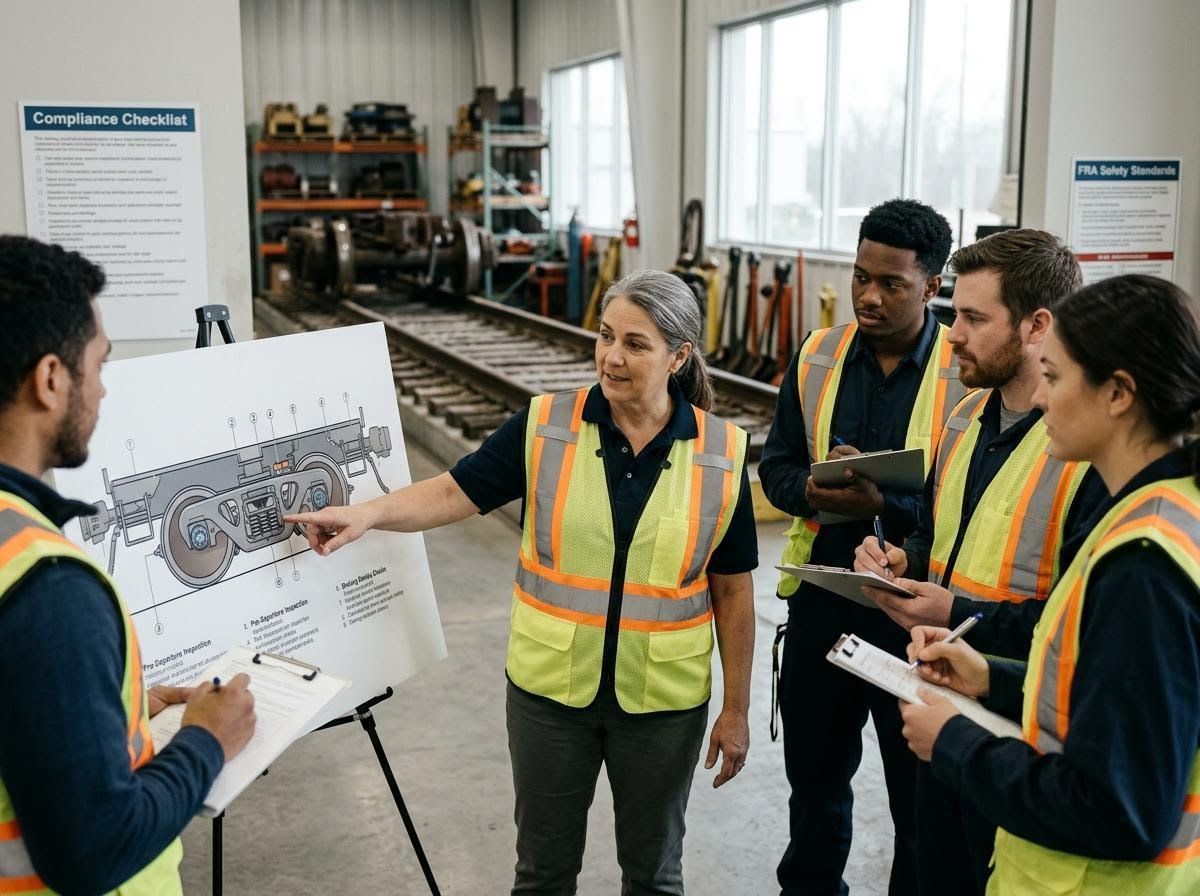
Beyond physical infrastructure and technology, the human element remains central to proactive safety. Comprehensive training programs for all personnel involved in railway operations—from engineers and conductors to maintenance crews and dispatchers—are indispensable. This training should cover operational procedures, emergency response, hazard identification, and the importance of a strong safety culture. Moreover, strict adherence to regulatory compliance, such as standards set by the Federal Railroad Administration (FRA) and industry best practices, ensures that all operations meet minimum safety requirements. Fostering an environment where employees feel empowered to report safety concerns and suggest improvements is equally important for continuous enhancement.
Leveraging Data for Predictive Safety
The modern rail industry increasingly relies on data analytics to enhance safety. By collecting and analyzing vast amounts of data from sensors, inspections, and operational reports, patterns can be identified that predict potential derailment risks. Predictive maintenance models can forecast component failures before they occur, allowing for timely interventions. Trend analysis of minor incidents and near-misses can reveal underlying systemic issues that might otherwise go unnoticed. This data-driven approach transforms reactive safety measures into proactive strategies, enabling operators to make informed decisions that optimize resource allocation and significantly reduce the likelihood of incidents through continuous improvement.
Embracing a Future of Enhanced Rail Safety
Ultimately, preventing derailments hinges on a robust and continuously evolving proactive safety strategy that integrates technology, diligent maintenance, and human expertise. By focusing on understanding root causes, implementing cutting-edge measures, and fostering a culture of safety and compliance, rail operators can significantly reduce risks. Regional Railroad Safety Services is dedicated to helping organizations achieve these high standards, ensuring the smooth and secure movement of goods and people across the network. To learn more about comprehensive safety assessments and risk mitigation strategies in rail operations, explore our professional insights and resources.