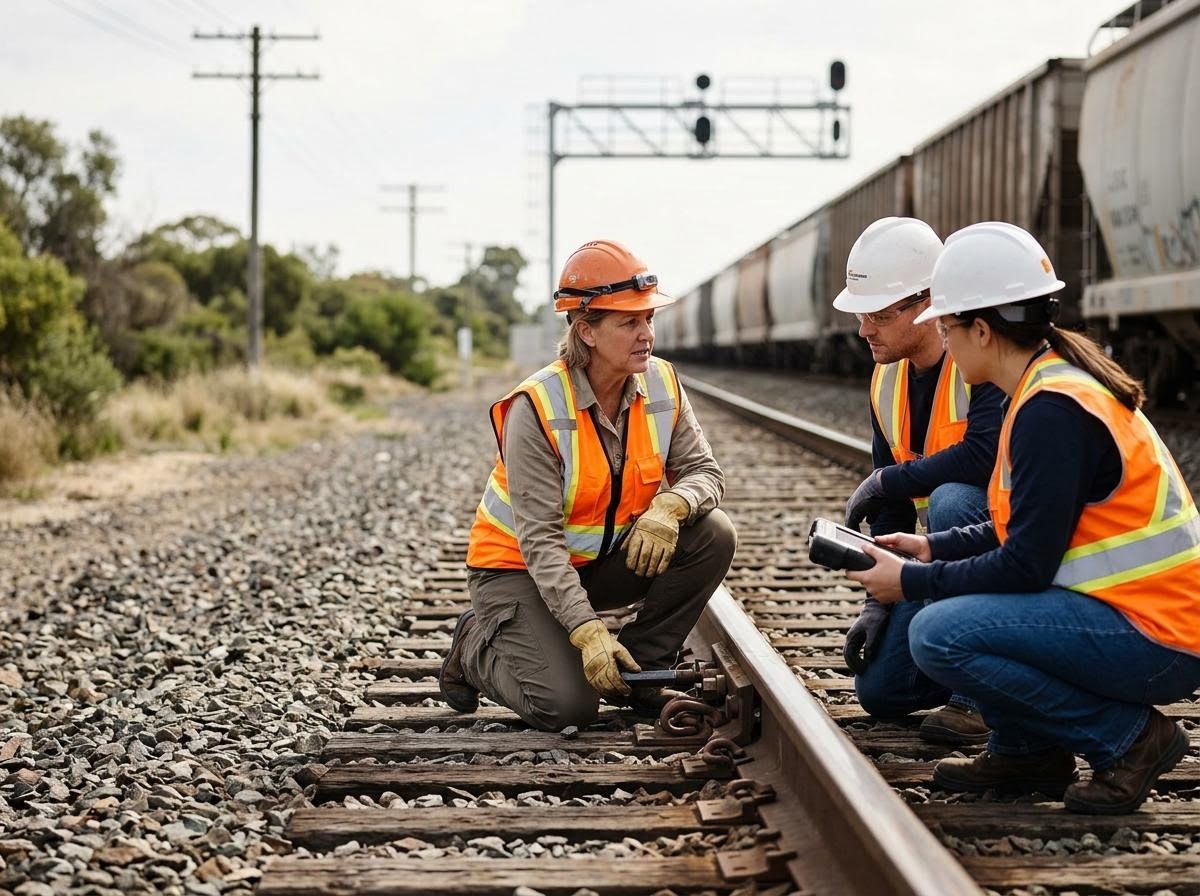
The safe and efficient movement of goods and people relies heavily on the robustness of our rail systems. Ensuring the highest standards of safety is a continuous endeavor, crucial for protecting lives, safeguarding assets, and maintaining operational integrity within the complex rail environment. At Regional Railroad Safety Services, we understand the critical nature of these efforts and are dedicated to promoting best practices across the industry. This post will explore seven key strategies that significantly contribute to enhancing rail safety.
Leveraging Advanced Technology and Proactive Maintenance
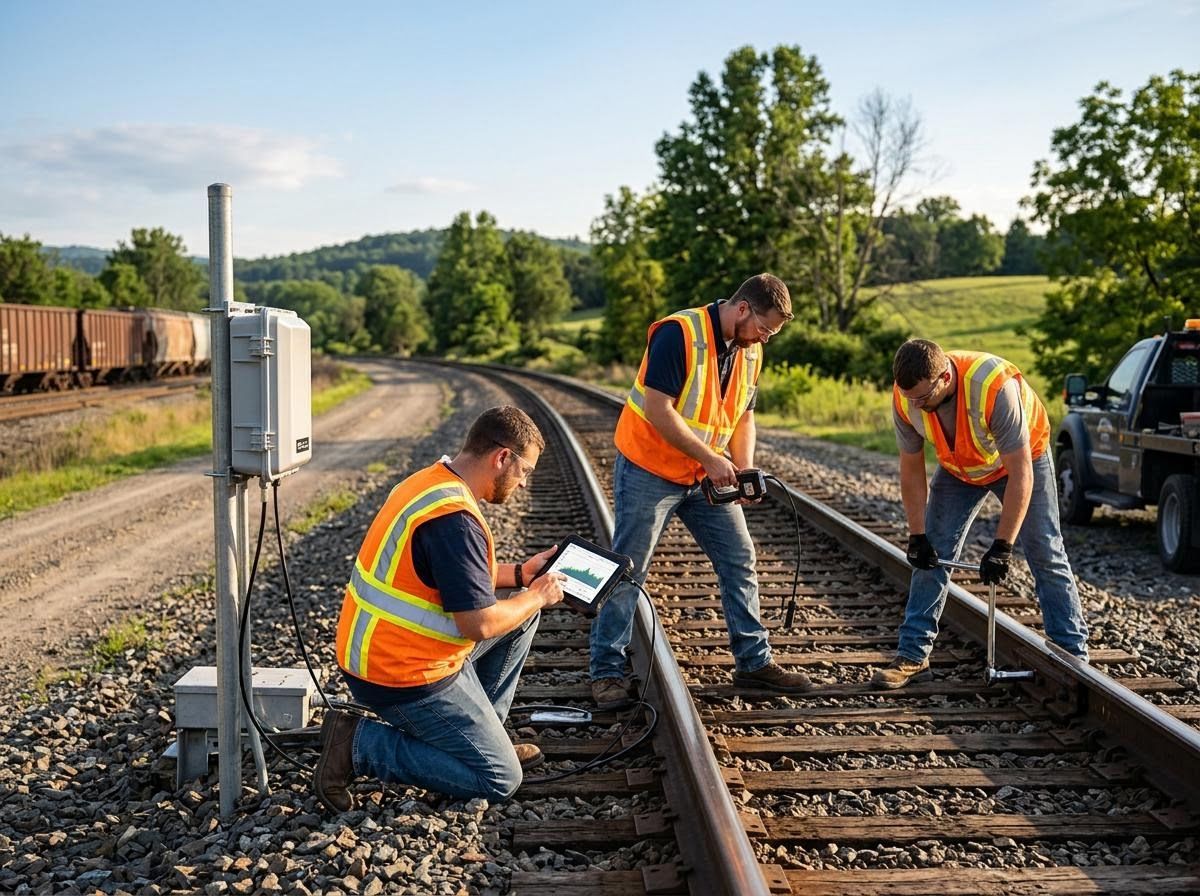
Modern technology plays an indispensable role in preventing incidents and improving response times. Implementing advanced sensor technologies, such as wayside detectors and trackside monitors, allows for real-time data collection on track conditions and rolling stock health, enabling predictive maintenance rather than reactive repairs. Artificial intelligence and machine learning can analyze vast datasets to identify potential issues before they escalate, optimizing inspection schedules and resource allocation. Alongside technology, a rigorous and proactive maintenance schedule for tracks, signals, and rolling stock is fundamental. Regular, thorough inspections and timely repairs are crucial for mitigating risks associated with equipment failure or infrastructure degradation.
Fostering a Culture of Safety and Effective Communication
Human factors are often at the heart of safety performance, making comprehensive training and a strong safety culture paramount. All personnel, from train operators and signal maintainers to track workers and control center staff, must undergo continuous, in-depth training that covers operational procedures, emergency protocols, and the use of new technologies. Beyond training, cultivating a strong safety culture encourages every individual to identify and report hazards without fear of reprisal, promoting a collective responsibility for safety. Furthermore, seamless and reliable communication systems are vital. This includes clear radio communication between crew members, robust signaling systems, and effective information flow between different operational departments and external stakeholders.
Addressing External Factors and Emergency Preparedness
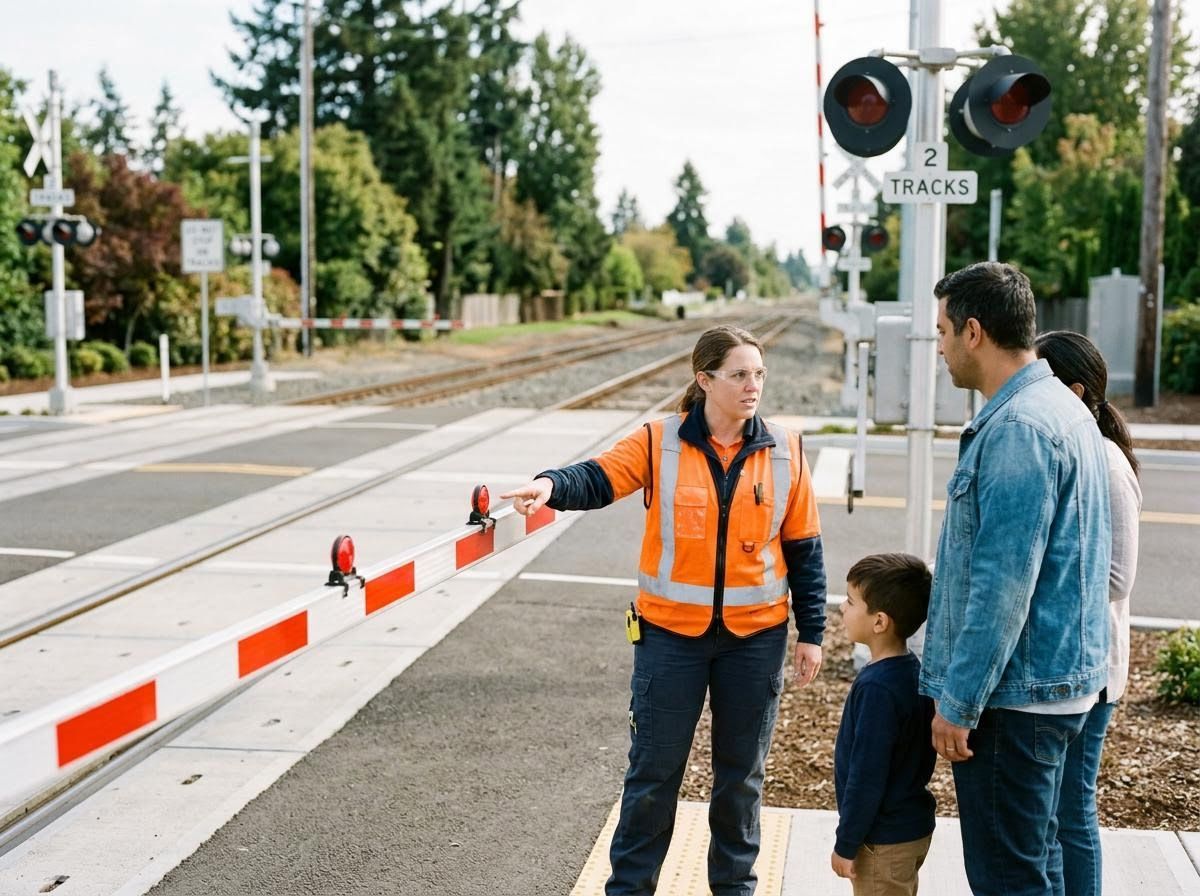
Grade crossings represent significant interface points between rail operations and the public, often posing unique safety challenges. Enhancing safety at these locations involves a multi-faceted approach, including improved signage, active warning devices, community education programs, and the potential for grade separation where feasible. Raising public awareness about rail safety, especially regarding pedestrian and vehicular behavior near tracks, is an ongoing necessity. Finally, comprehensive emergency preparedness and response plans are critical. This involves developing clear protocols for various types of incidents, conducting regular drills with emergency services, and ensuring all personnel are well-versed in their roles during an emergency to minimize impact and ensure swift, coordinated action.
Cultivating Continuous Improvement
True safety enhancement is an ongoing process, requiring a commitment to continuous improvement. This involves regularly reviewing safety performance, investigating incidents and near-misses thoroughly to identify root causes, and implementing corrective actions. Learning from experience, both internal and external to the organization, is vital for adapting safety strategies to evolving challenges and technologies. Benchmarking against industry best practices and engaging in collaborative safety initiatives further strengthens the collective effort towards a safer rail environment.
Achieving superior rail safety requires a holistic approach, integrating technological innovation, human expertise, and a commitment to preparedness. By focusing on these strategies—from advanced monitoring and proactive maintenance to comprehensive training, a strong safety culture, effective communication, grade crossing initiatives, and robust emergency planning—the rail industry can continue to build a safer future. For further insights into optimizing your rail safety protocols and ensuring compliance, we invite you to explore resources from leading industry organizations.