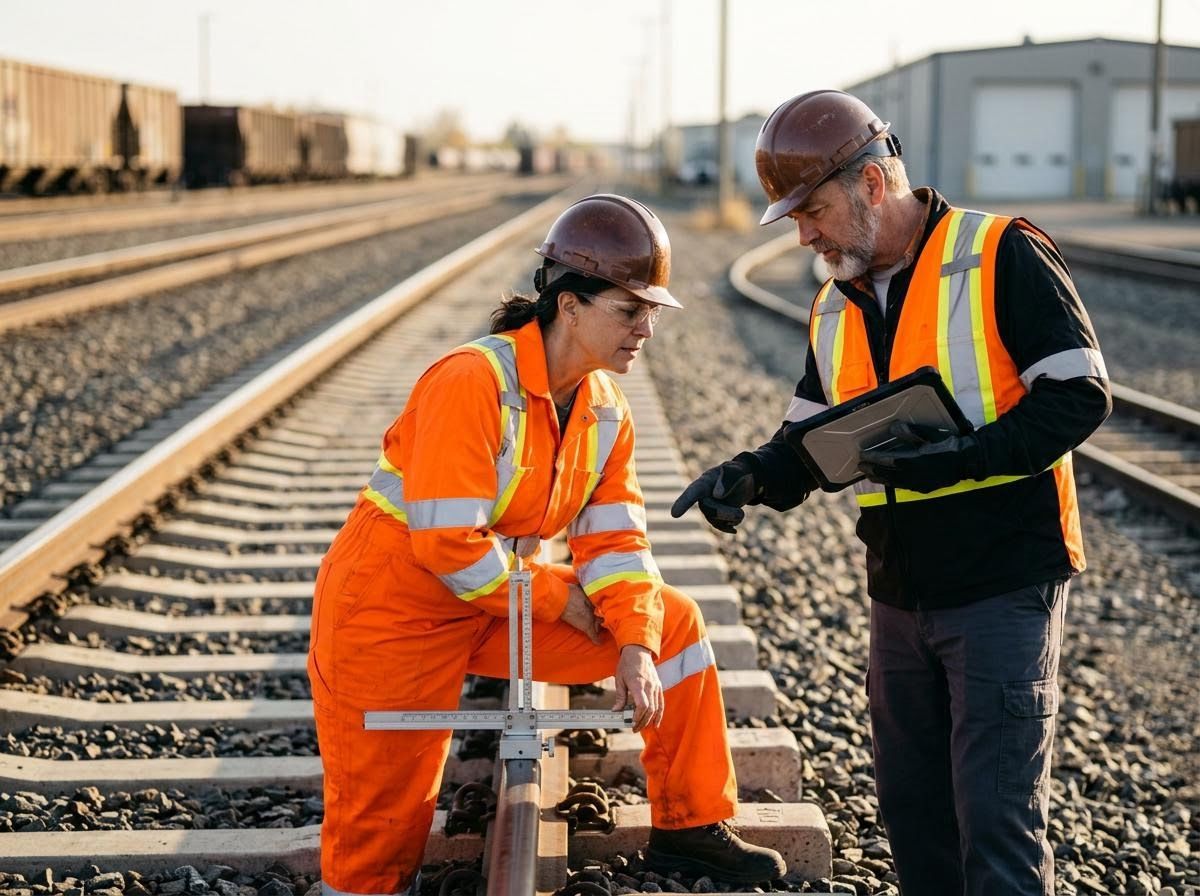
The intricate world of railway operations relies heavily on a robust framework of safety regulations designed to protect personnel, the public, and vital infrastructure. These regulations are not merely guidelines; they are legally binding standards that dictate everything from track maintenance to employee training. At Regional Railroad Safety Services, we understand that navigating this complex landscape is crucial for operational excellence and preventing incidents. This post will delve into the core aspects of these essential regulations, highlighting their significance in fostering a secure and efficient rail environment.
The Foundation of Federal Oversight
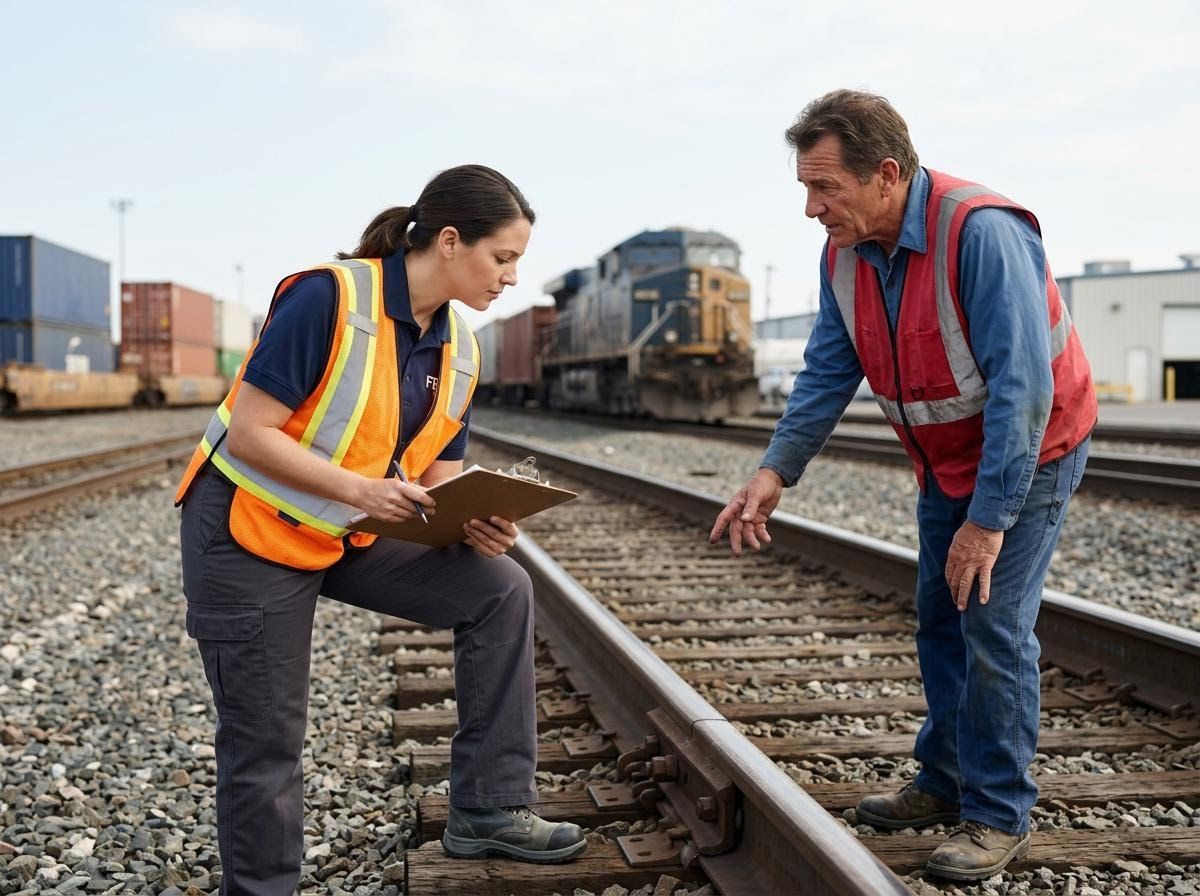
In many regions, federal agencies play a paramount role in establishing and enforcing railroad safety regulations. For instance, in the United States, the Federal Railroad Administration (FRA) is the primary body responsible for ensuring the safety of the nation's railway system. Their comprehensive set of rules covers virtually every facet of railroad activity, including track safety standards, equipment and appliance standards, operating practices, and even hours of service for train crews. These regulations are developed through extensive research, accident investigations, and collaboration with industry stakeholders, all aimed at mitigating risks and enhancing overall safety performance across the network.
Key Regulatory Areas and Their Impact
Railroad safety regulations are multifaceted, addressing various critical components. Track safety standards, for example, specify requirements for rail, ties, ballast, and track geometry, crucial for preventing derailments. Rolling stock regulations cover the design, maintenance, and inspection of locomotives, freight cars, and passenger cars to ensure mechanical integrity. Operating practices dictate how trains are moved, including signal systems, train control, and rules for crossing at grade. Furthermore, regulations often mandate rigorous training and qualification standards for personnel, from locomotive engineers to track inspectors, ensuring that those operating and maintaining the system possess the necessary skills and knowledge to do so safely. Each of these areas is interdependent, forming a holistic approach to risk reduction.
Compliance, Enforcement, and Continuous Improvement
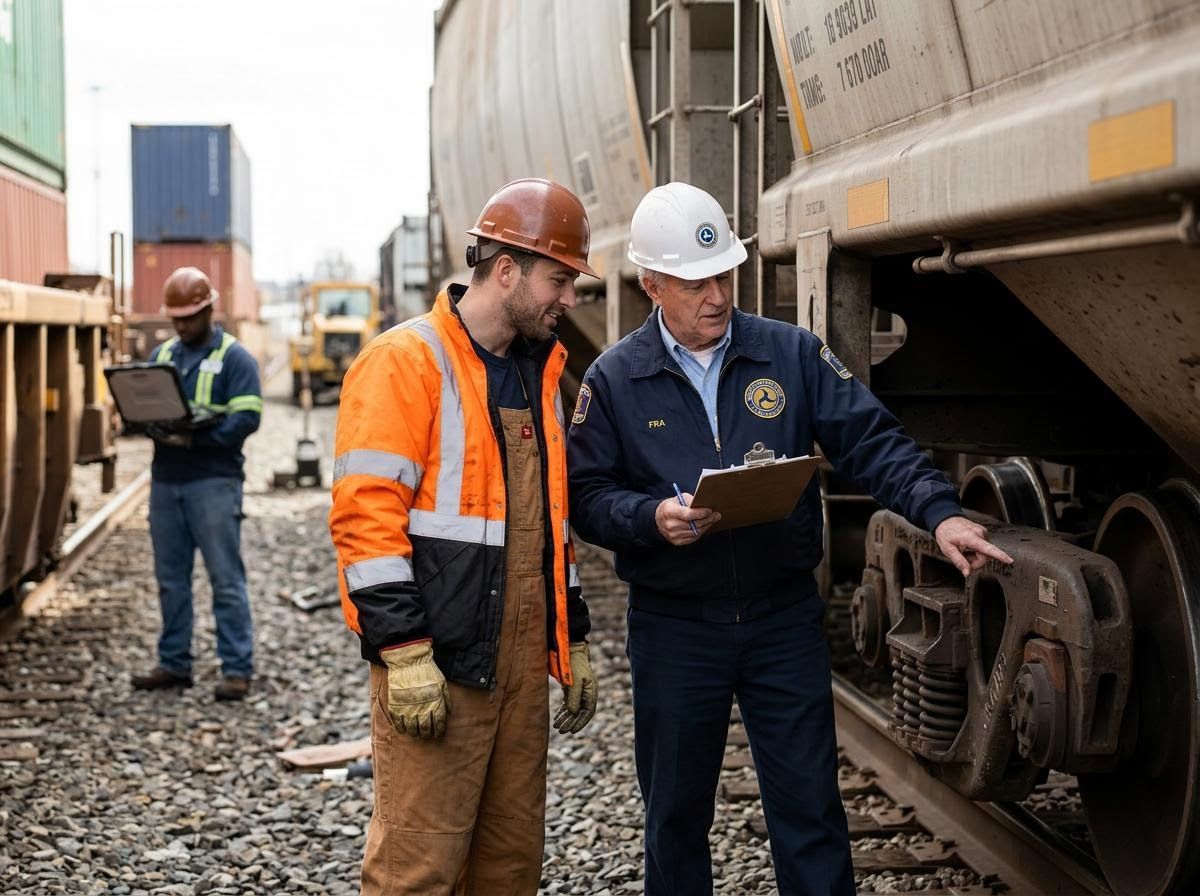
Adherence to these regulations is not optional; it is a legal imperative. Railroad operators are required to develop and implement safety programs that ensure continuous compliance, often involving regular inspections, audits, and record-keeping. Federal agencies conduct their own inspections and investigations, with penalties for non-compliance ranging from fines to operational restrictions. Beyond mere adherence, the spirit of these regulations promotes a culture of continuous improvement. This involves analyzing incident data, implementing corrective actions, and proactively seeking ways to enhance safety protocols, adapting to new technologies and evolving operational challenges to stay ahead of potential hazards.
Understanding and meticulously applying railroad safety regulations is fundamental to maintaining a secure and reliable railway system. These standards, developed through careful consideration and extensive experience, provide the necessary framework to mitigate risks and protect all stakeholders involved in rail operations. For further guidance on ensuring your operations meet the highest safety standards, consider exploring resources dedicated to compliance and risk management.