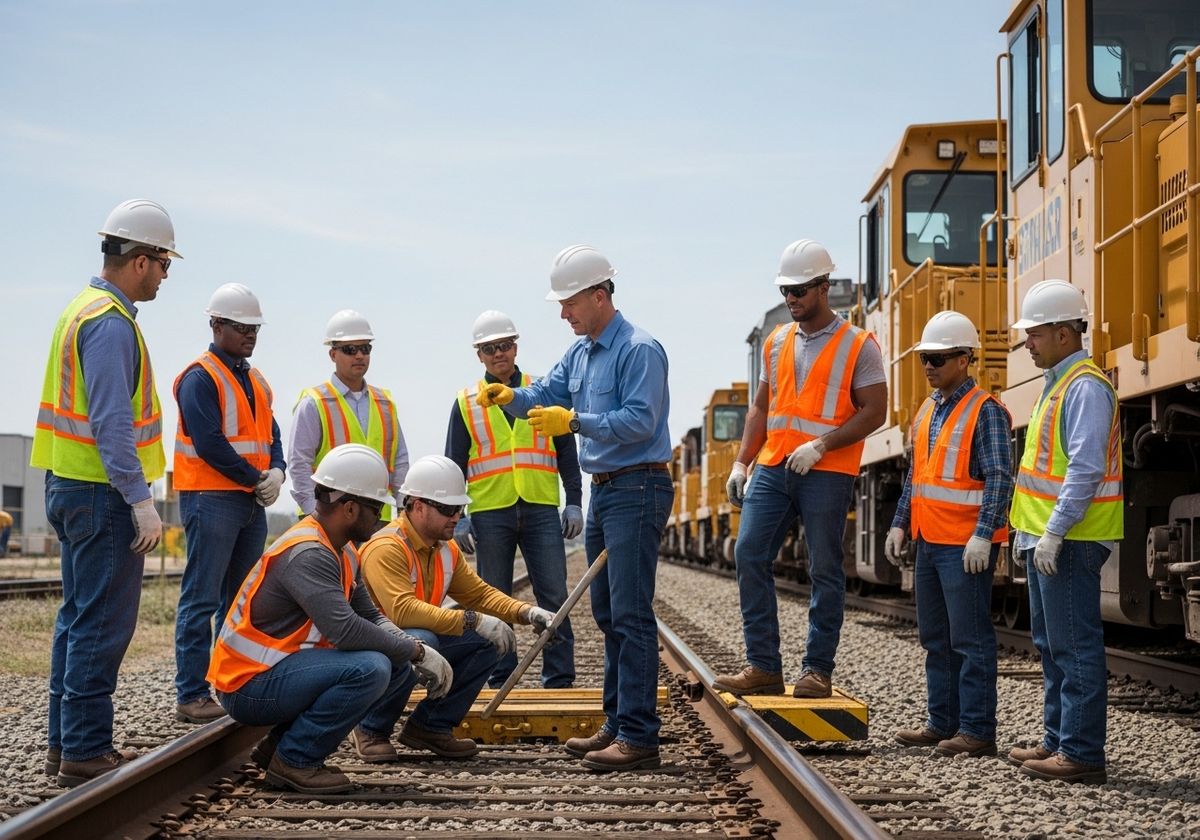
When it comes to ensuring a safe working environment, understanding the nuances of safety training is paramount. While various training methods exist, on-site safety training holds a unique position in its effectiveness and applicability. But when is it truly necessary?
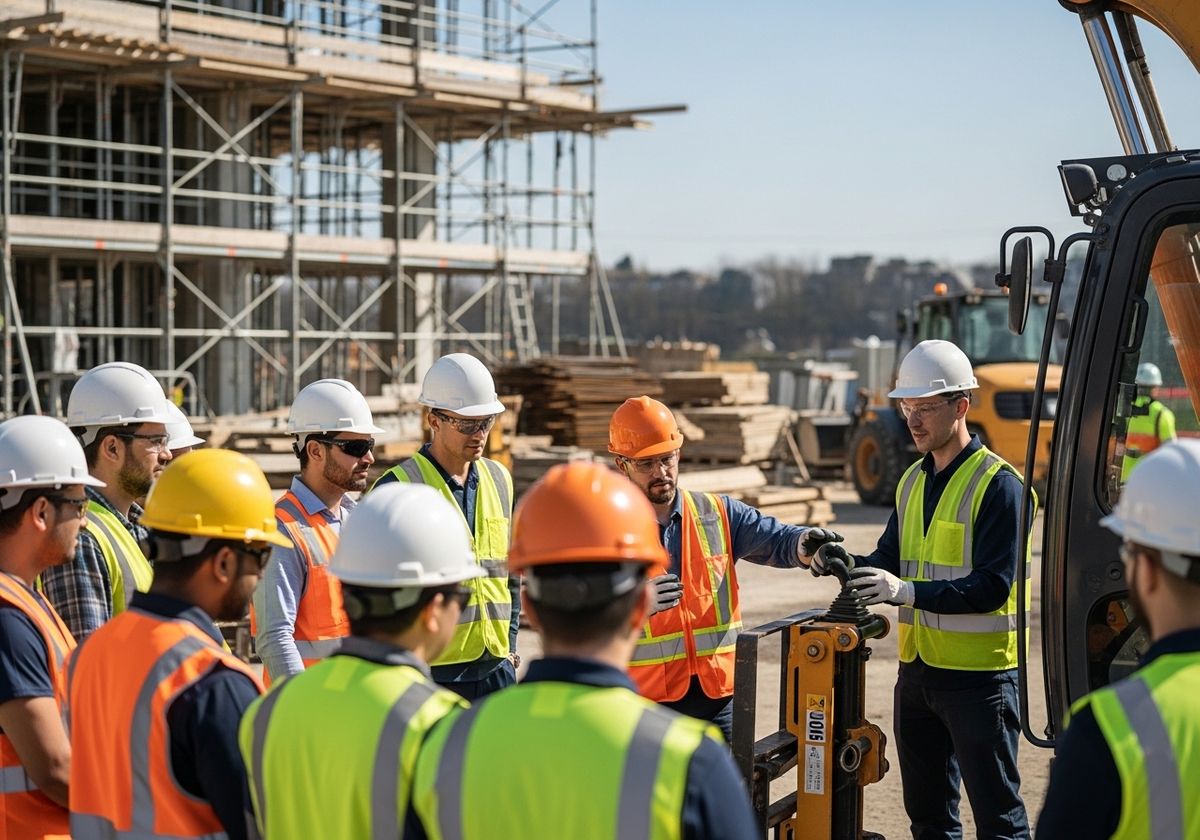
Situations That Demand On-Site Training
Several scenarios necessitate on-site training to address specific workplace hazards and ensure comprehensive understanding:
High-Risk Environments: Industries dealing with heavy machinery, hazardous materials, or complex operational procedures benefit significantly from on-site training. These environments require hands-on experience and immediate feedback, which is best delivered in the actual workspace.
New Equipment or Procedures: Whenever new equipment is introduced or existing procedures are updated, on-site training ensures that employees understand the changes and can implement them safely. This type of training allows for real-time demonstrations and addresses potential challenges specific to the workplace.
Regulatory Compliance: Many industries are governed by stringent regulations, such as federal railroad administration regulations, that mandate specific safety training programs. On-site training ensures that these requirements are met and that employees are well-versed in the necessary protocols.
Incident Response: Following a safety incident or near-miss, on-site training can help identify the root causes and implement corrective actions. This type of training can also reinforce safety protocols and prevent similar incidents from occurring in the future.

Advantages of On-Site Training
On-site training offers several key advantages:
Customization: Training programs can be tailored to address specific workplace hazards and operational procedures, ensuring relevance and effectiveness.
Hands-On Experience: Employees can practice safety protocols in a real-world setting, gaining valuable experience and confidence.
Immediate Feedback: Trainers can provide immediate feedback and guidance, addressing any questions or concerns that employees may have.
Improved Communication: On-site training fosters open communication between employees and trainers, promoting a culture of safety and collaboration.
Key Elements of Effective On-Site Training
To maximize the effectiveness of on-site training, consider the following elements:
Qualified Instructors: Ensure that trainers are experienced and knowledgeable in the relevant safety topics.
Engaging Content: Utilize interactive exercises, demonstrations, and real-world examples to keep employees engaged and motivated.
Practical Application: Provide opportunities for employees to practice safety protocols in a safe and controlled environment.
Continuous Improvement: Regularly evaluate and update training programs to reflect changes in the workplace and regulatory requirements.
On-site safety training is essential in high-risk environments, when introducing new equipment or procedures, to ensure regulatory compliance (such as adhering to federal railroad administration regulations), and to respond effectively to safety incidents. Prioritizing hands-on experience, customization, and continuous improvement can help businesses like Regional Railroad Safety Services create a safer and more productive work environment. Contact us today to discover how Regional Railroad Safety Services can help you create a robust railroad safety training program and ensure the safety of your railroad flagger personnel.