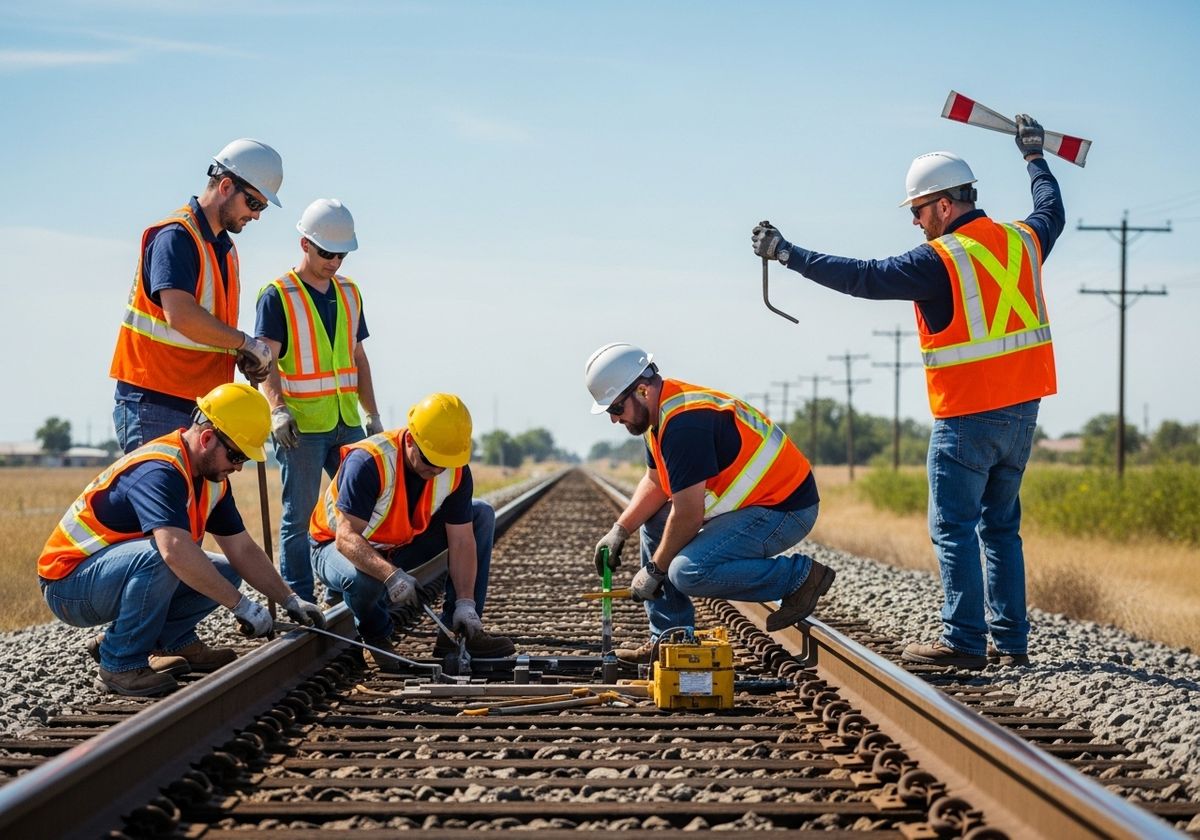
As stewards of railroad safety, understanding when to schedule track maintenance is crucial. Proactive and well-timed maintenance not only ensures the smooth operation of trains but also significantly minimizes the risk of accidents and disruptions. Let's delve into the key factors that dictate when track maintenance should be scheduled.
Regular Inspections: The Foundation of Preventative Maintenance
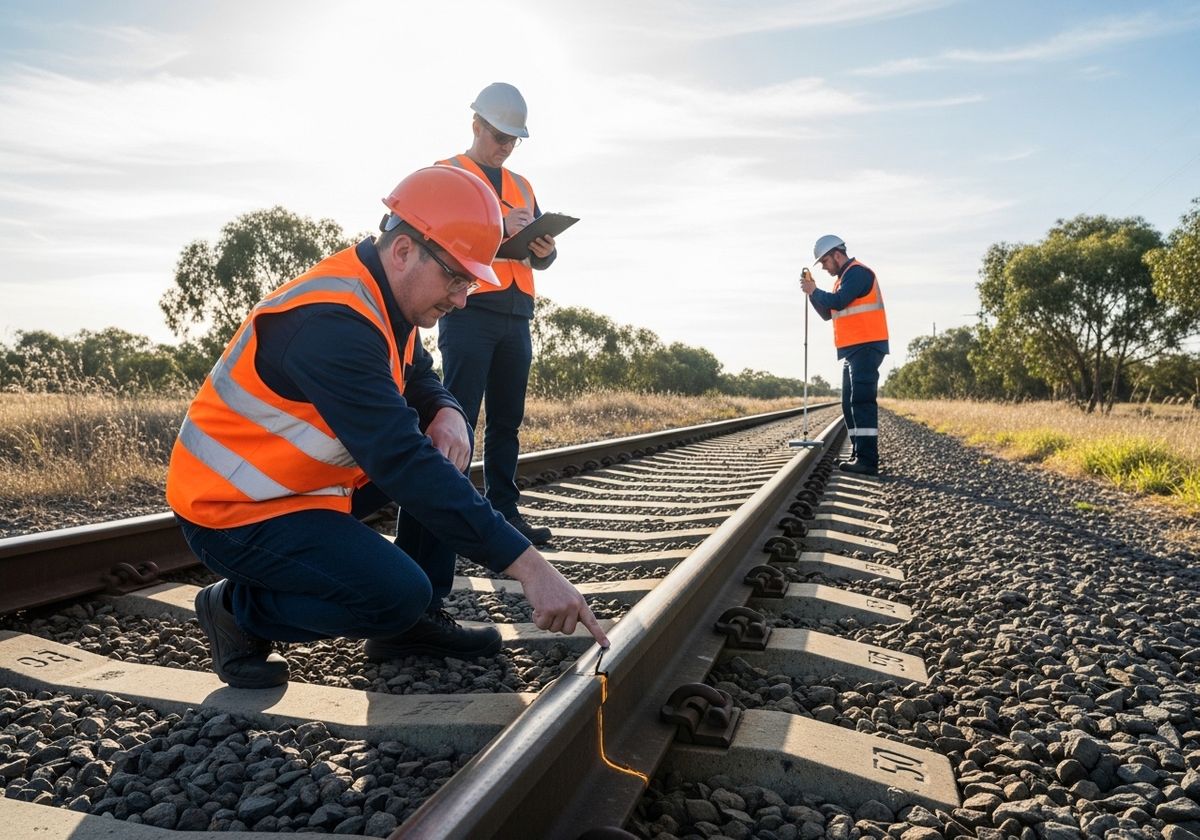
Regular inspections are the cornerstone of any effective track maintenance program. These inspections help identify potential issues early on, before they escalate into major problems. Visual inspections, along with advanced technologies like ultrasonic testing and ground-penetrating radar, can detect cracks, wear, and other defects that may compromise track integrity. The frequency of these inspections should align with federal railroad administration regulations and consider the track's usage and environmental conditions.
Usage and Traffic Volume
The amount of traffic a track endures directly impacts its wear and tear. High-traffic lines require more frequent maintenance than those with lighter usage. Consider the tonnage and the number of trains that traverse the track daily. Heavier loads and higher traffic volumes accelerate the degradation of track components, necessitating more frequent inspections and maintenance.
Seasonal Considerations
Weather plays a significant role in track condition. Freezing and thawing cycles can cause roadbed instability, while extreme heat can lead to track buckling. Schedule inspections and maintenance activities to address these seasonal challenges. For example, pre-winter maintenance can prepare tracks for the harsh conditions ahead, while spring inspections can identify and address any damage caused by winter weather.
Understanding Federal Railroad Administration Regulations
Adhering to federal railroad administration regulations is not just a matter of compliance; it's a commitment to safety. These regulations outline the minimum standards for track maintenance and inspection. Familiarize yourself with these regulations and incorporate them into your maintenance schedule. Regular railroad safety training can help your team stay up-to-date on the latest regulations and best practices.
Addressing Specific Issues: A Proactive Approach
Don't wait for a problem to become critical before addressing it. If an inspection reveals a defect, schedule maintenance immediately. Prioritize repairs based on the severity of the defect and its potential impact on safety. This proactive approach minimizes the risk of derailments and other accidents.
The Role of the Railroad Flagger
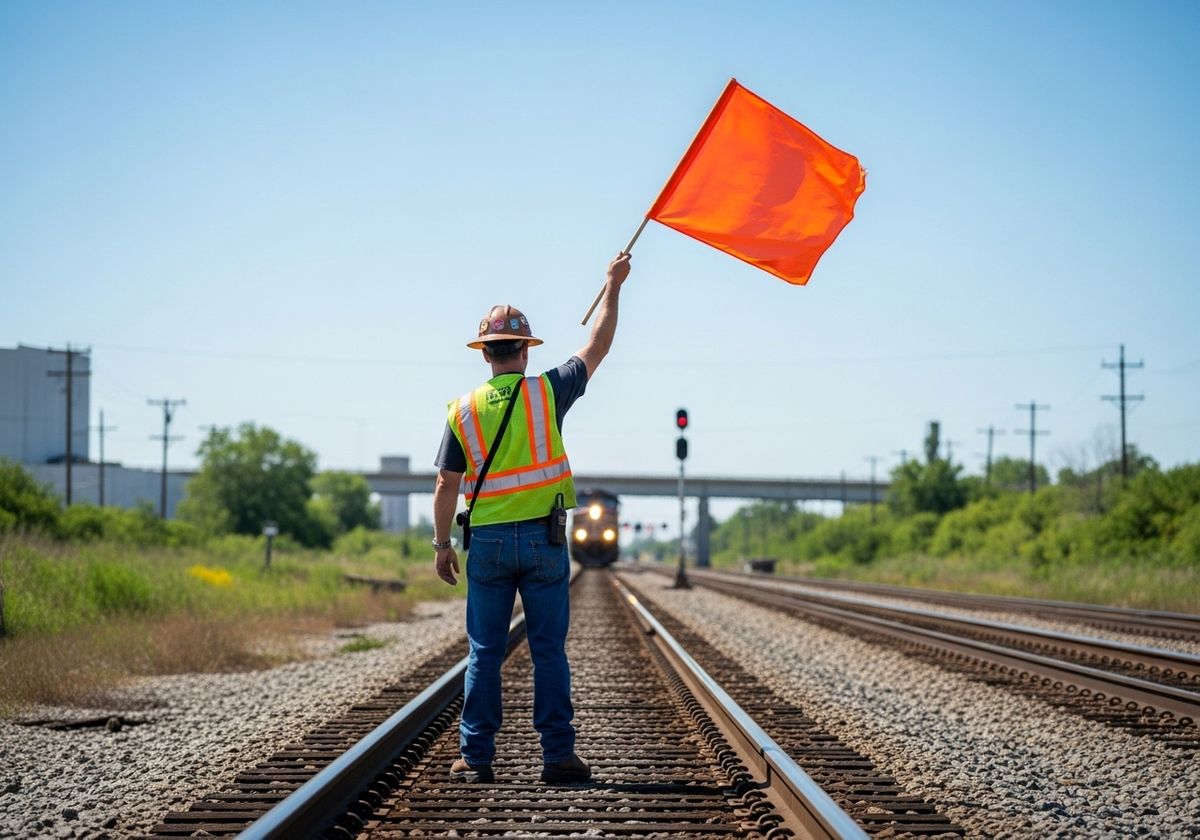
Whenever maintenance is being performed, a railroad flagger is essential. Their presence is crucial for protecting workers and trains by providing warnings and ensuring safe passage. Make sure that all railroad flaggers are properly certified and trained in railroad safety procedures.
Scheduling track maintenance is a multifaceted process that requires careful consideration of various factors. By prioritizing regular inspections, considering usage and seasonal impacts, adhering to federal railroad administration regulations, and promptly addressing specific issues, you can ensure the safety and reliability of your rail network. At Regional Railroad Safety Services, we understand the importance of comprehensive railroad safety training. Contact us today to learn more about our training programs and how we can help you maintain a safe and efficient railroad operation.