Maintaining a safe and efficient railway system requires meticulous attention to detail and unwavering commitment to safety protocols. Track maintenance is a continuous and vital process, but it inherently places workers in high-risk environments. This is where specialized safety measures become not just important, but absolutely critical for preventing accidents and ensuring operational continuity. At Regional Railroad Safety Services, we understand that these measures, especially the presence of dedicated flagger services, are the bedrock of any successful and safe track maintenance project.
The Undeniable Risks of Working on Live Tracks
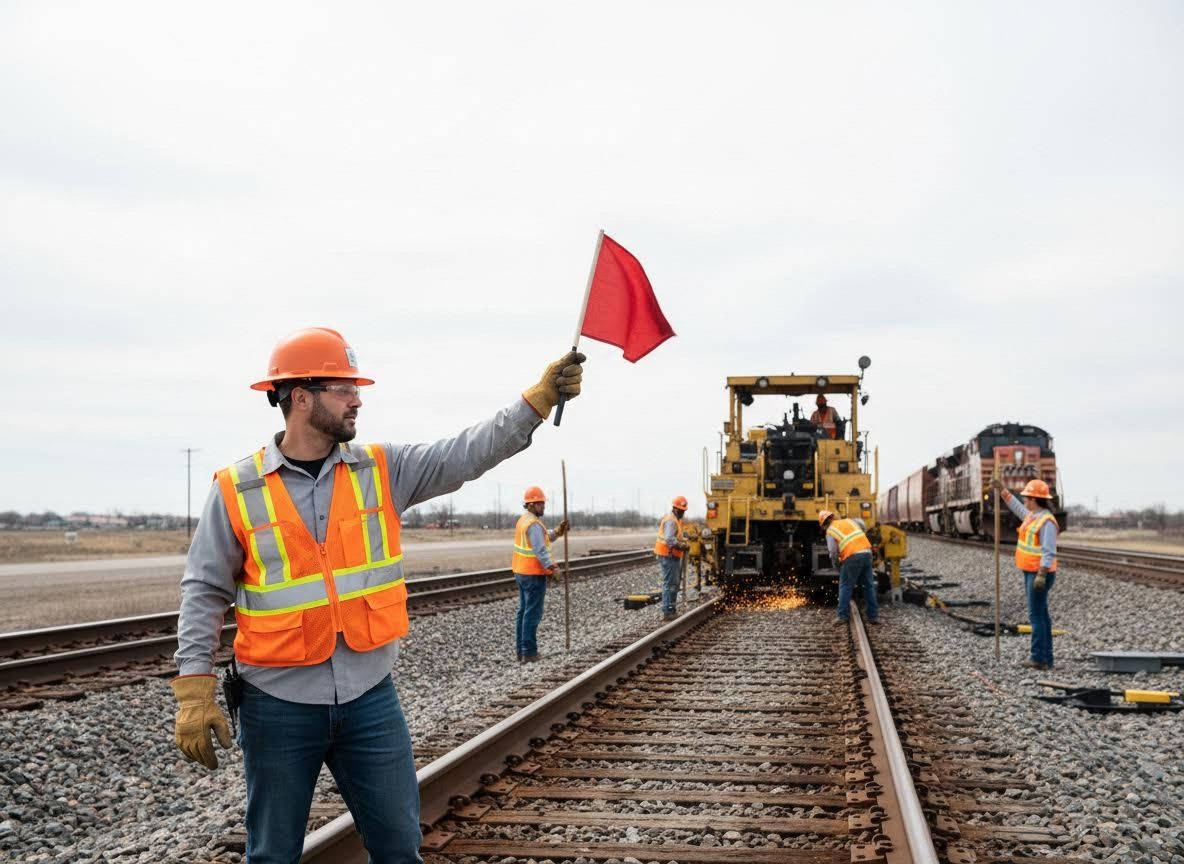
Railway tracks are dynamic and hazardous workplaces. Personnel performing maintenance, inspections, or repairs are constantly exposed to dangers posed by active rail traffic, heavy machinery, and sometimes live electrical components. The sheer speed and mass of trains mean that any lapse in vigilance or communication can have catastrophic consequences. This demanding environment underscores why robust railroad safety protocols are non-negotiable, and why human eyes and immediate communication remain irreplaceable in managing these complex risks.
Flaggers: The Linchpin of On-Track Safety
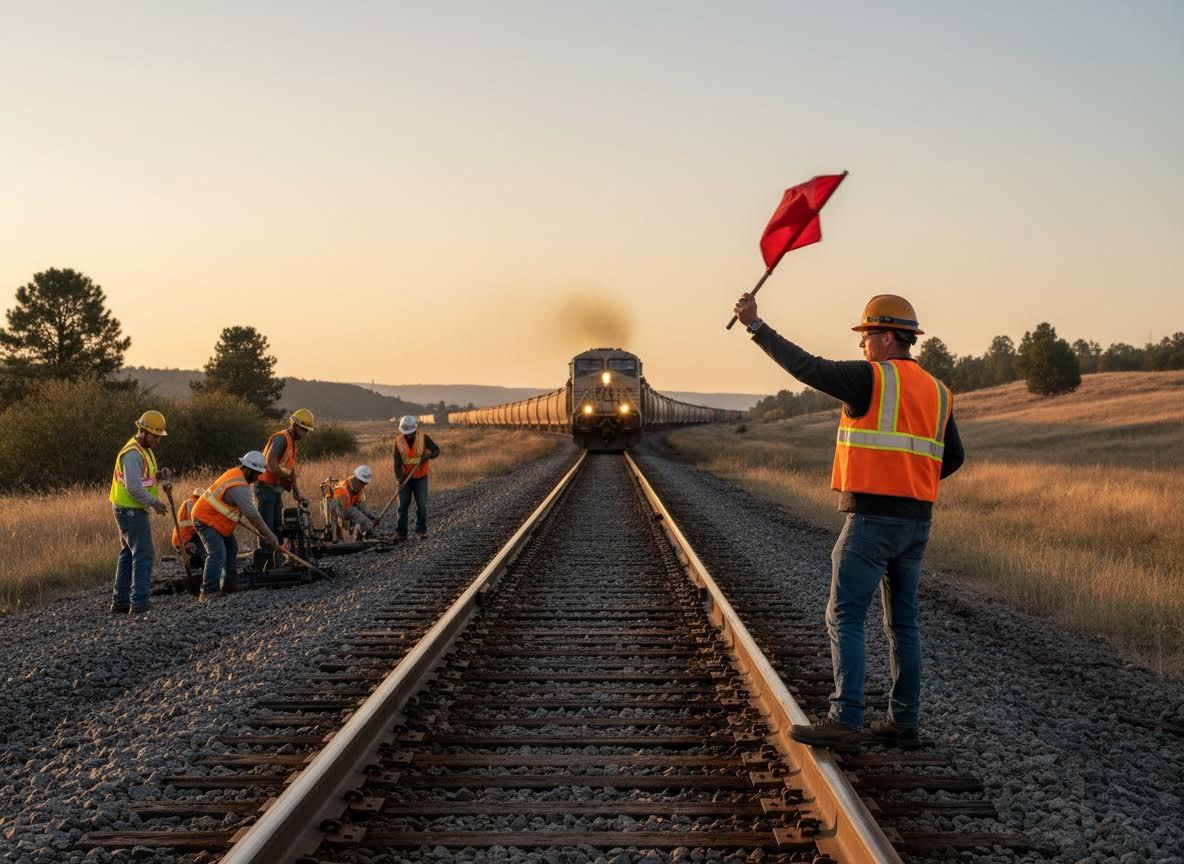
Flaggers serve as the critical human interface between oncoming rail traffic and trackside workers. Their primary role is to provide timely and accurate warnings, initiate communication with train crews, and, when necessary, signal trains to stop. This active management of the work zone ensures that personnel have sufficient time to clear the tracks, preventing potential collisions and safeguarding lives. Effective flagger services are fundamental to maintaining proper crossing safety during maintenance operations, ensuring that both workers and the public are protected.
Specialized Training and Regulatory Compliance
Being a flagger is far more than just waving a flag; it requires extensive training and adherence to strict industry regulations. Flaggers undergo rigorous training on track safety, covering topics such as railway operating rules, communication protocols, emergency procedures, and the correct use of signaling equipment. This specialized knowledge allows them to anticipate risks, communicate effectively with train dispatchers and crews, and make critical real-time decisions that protect everyone in the vicinity. Their expertise ensures projects remain compliant with federal and local safety standards.
Protecting Personnel, Assets, and Investments
Beyond the immediate protection of human life, flagger services play a significant role in safeguarding valuable assets and ensuring project continuity. By preventing accidents, they mitigate the risk of damage to railway infrastructure, maintenance equipment, and rolling stock. Accidents can lead to costly delays, operational disruptions, and significant financial liabilities. Professional flagger services contribute to a robust risk management strategy, indirectly supporting elements like comprehensive ocip insurance by minimizing incidents that would trigger claims and ensuring projects can proceed without interruption.
The Indispensable Role of Expert Safety Services
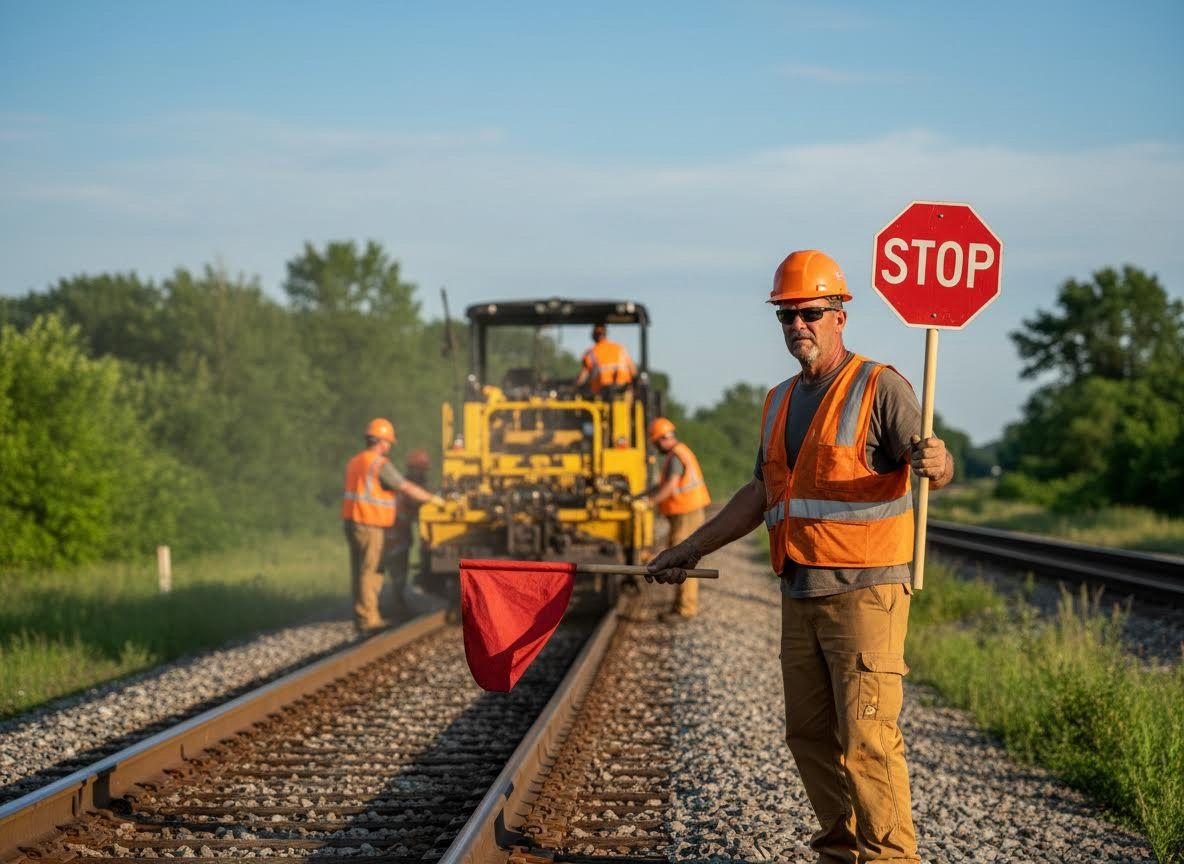
The complexity and inherent dangers of track maintenance underscore the indispensable role of expert safety services, particularly flaggers. These dedicated professionals are more than just a regulatory requirement; they are active guardians of safety, ensuring that every worker returns home safely and that critical infrastructure projects proceed without incident. Understanding the nuances of on-track safety and implementing comprehensive solutions is what we do best at Regional Railroad Safety Services. We invite you to explore how specialized safety personnel can enhance your next project's safety and efficiency.